
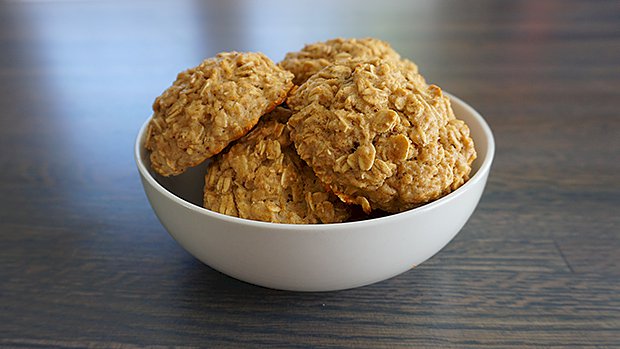
 People are strange, especially bodybuilders and gym rats. Tell them to have some oatmeal with protein powder, a handful of nuts, and a little fruit for breakfast and they’ll do it. After all, that’s about the best breakfast you could eat if you like muscle. But tell them to have cookies and they’ll freak out. Like eating cookies for breakfast is bad or something… Okay, I get it. Most cookies are tasty little disks of Type-2 diabetes. But not these. In fact, these contain pretty much the same foods as the above muscle-building breakfast, with the added bonus of being portable. High-Protein Vanilla Oatmeal Cookies Ingredients 2 Cups old-fashioned oats 1 Cup unsweetened apple sauce 1 Soft banana 4 Scoops (120g) vanilla Metabolic Drive® Protein 2 Teaspoons vanilla extract 1/4 Cup Splenda (or equivalent sweetener of choice) 1 Teaspoon baking powder Cinnamon and powdered ginger, as much as you’d like Pinch of salt Optional: 1 Cup walnut halves Directions Preheat oven to 325 degrees. Line a baking sheet with parchment paper for easy cleanup. Mix all the ingredients together in a bowl. Using a cookie scooper, medium ice cream scoop, or a spoon, place 8-12 mounds of dough onto the sheet pan. Bake for around 20 minutes, depending on your oven, elevation, and size of your cookies. Larger cookies will require an extra minute or so, smaller cookies a minute or two less.
Origin: Tip: Eat Oatmeal Cookies, Build Muscle
Tag: Tip:
Tip: The Side Stretch You Should Be Doing
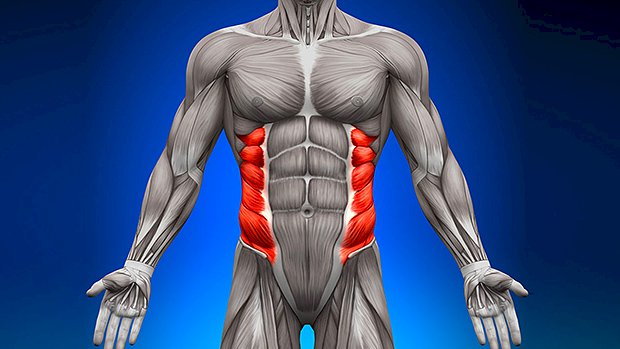 All About the Obliques The obliques are underrated. If they’re tight, everything else can be affected. Your obliques are responsible for both good hip function and shoulder function. If they’re not able to do their job correctly, you’ll experience a loss of strength, loss of performance and, in some cases, nagging pains that soon become injuries. The Anchored Side Stretch This stretch can help improve shoulder mobility, leg length discrepancies, and chronic lower back pain. Even if you have none of these issues, doing this stretch at the start and end of your workout will get you more mobile and help with recovery. How To Do It Stand close to a rig or doorframe. Place the inside hand on the rig/wall beside your hip, knuckles forward. Reach up and over with the outside hand and grab behind the pole/doorframe. Lean out away from the rig/wall into the area you wish to stretch. Breathe. Hold, sway, or change hand or foot positioning slightly to get the best out of it. Repeat on the other side.
Origin: Tip: The Side Stretch You Should Be Doing
Tip: The Craziest Looking Grip Strength Exercise
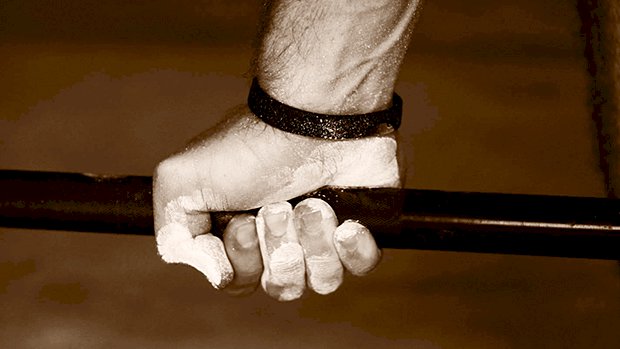 Barbell “Spiders” Most sports require good grip strength. And if you like lifting heavy barbells off the floor, grip strength is a must. This odd-looking but effective exercise builds dynamic crushing grip strength. It’s also a great movement for forearm size. Simply pick up a bar with a double overhand grip and pull the bar up as high as needed for you to catch it with a double underhand grip. This is a great way to get in extra grip work without any special equipment. I like to include grip training at the end of my lower body sessions, after deadlifting. You’re welcome to include grip training on other days if you find that works
Origin: Tip: The Craziest Looking Grip Strength Exercise
Tip: The Main Stretch You Need to Move Better
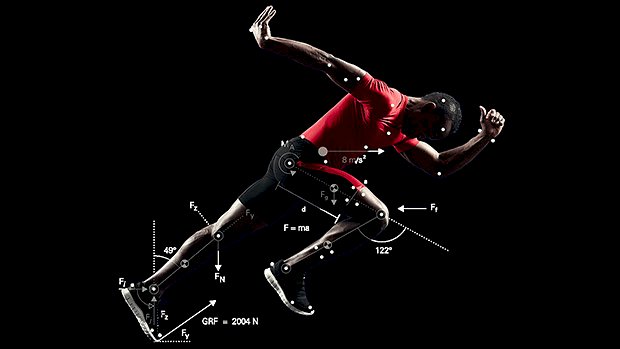 Stretching the hip flexors (the front or anterior hips) will help you move better. It’ll also remove the “extensor block” which happens when tight hip flexors act as a brake for hip extension. This stretch makes it easier to activate and train the glutes as well. It’ll help you increase mind-muscle connection with your glutes, especially if you’ve been sitting for a long time before your workout. How to Do It Start in a half-kneeling position with your left leg in front of you. Push your hips forward and activate your right glute. The knee should be directly over your heel. Grab the left knee with your right hand and slightly rotate the upper body and hip toward the left. This will place the hip flexors on a great stretch. The twist will also reduce the typical compensation of “rotating away from the stretch” as you might automatically start to do. You’ll see in the photo that my hips are pushed forward. That’s intentional. Some recommend staying completely vertical with the spine while bracing the abs and glutes in this position. That’s fine. However, I prefer a deeper stretch (more in the direction of doing front splits). Do what feels
Origin: Tip: The Main Stretch You Need to Move Better
Tip: The Full-Body Core Exercise
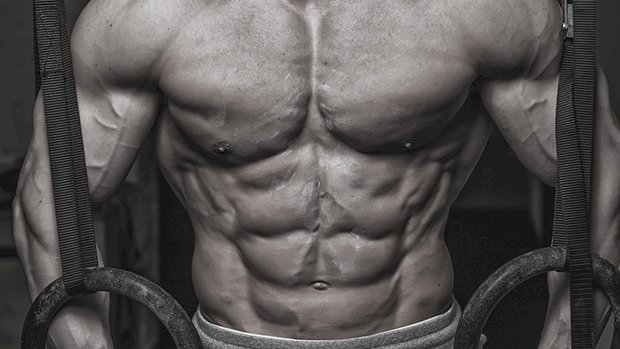 Dr. Stuart McGill changed the game with his outlook on core training to save the spine. He provides a great blueprint on bracing the core and all of the muscles that help stabilize your spine from just about every direction, which can improve performance. The “stir the pot” exercise is great for learning to brace the core: Now let’s ramp it up a notch. Try this variation: Grab a suspension gadget (TRX, rings, Blast Straps, etc.) with your body in the plank position – body straight from neck to toes and core braced tight. Make half circles with your forearms/elbows so the suspension device goes around your head, from shoulder to shoulder. Try not to move your body. (You can’t complete the circle because your head will be in the way, obviously.) This exercise is tougher than it looks. You’ll feel it all over your body. As you get accustomed to it, focus on limiting the speed of the movement and making larger circles with more tension throughout the body. This advanced exercise will improve your strength and stability, and it’ll have a big impact on your shoulders and
Origin: Tip: The Full-Body Core Exercise
Tip: The Most Awful Way to Do Burpees
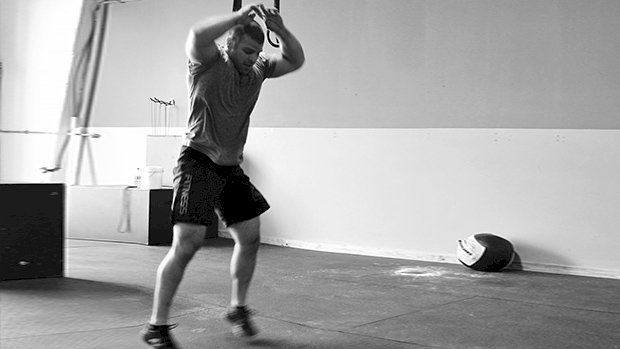 Though the burpee has become popular, you’ve probably never seen this option. It’ll give you a far better upper-body blast than the traditional hop-in, hop-back burpee. Burpee Walkout Keep your legs as straight as possible on the walkout and the walk-back, and alternate between
Origin: Tip: The Most Awful Way to Do Burpees
Tip: Do the Tabletop Row
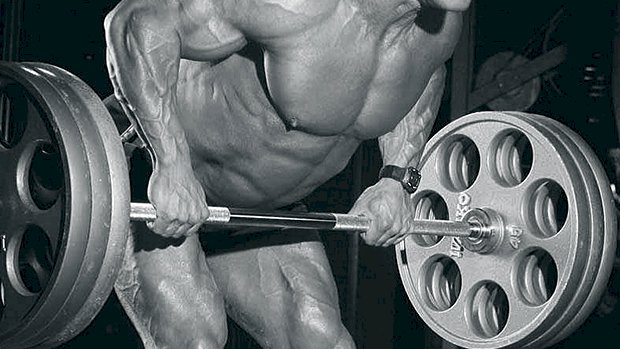 Most lifters butcher the form of the barbell row. Do this exercise to fix it. Tabletop Row Just before you do any row that involves a bent-over position, have a training partner place a plate or two on your middle upper back. The Benefits Helps maintain a steep, near parallel, bent-over position. Improved form because the back must maintain a natural arch for the plate to sit on. Spinal flexion is impossible. Eliminates top rock and excessive momentum. Otherwise, the plates will literally fall off the back and injure animals or small children. Increased proprioceptive feedback from lats, middle, and upper back. The plates against your body provide sensory palpation, giving you better kinesthetic awareness of your back activation and postural alignment. Greater direct overload to the entire posterior chain, including upper back, low back, glutes, and hams, without further fatigue to the arms and grip. As a result, your back muscles are more likely to fail before your arms. Keeps you from over-rowing with excessive range of motion because the elbows and shoulder blades will run into the plates, causing them to move around on the back. Improves low back strength immensely. The movement represents a combination Romanian deadlift and good-morning in terms of weight distribution with direct tension to the erector
Origin: Tip: Do the Tabletop Row
Tip: Do This Before Heavy Squats
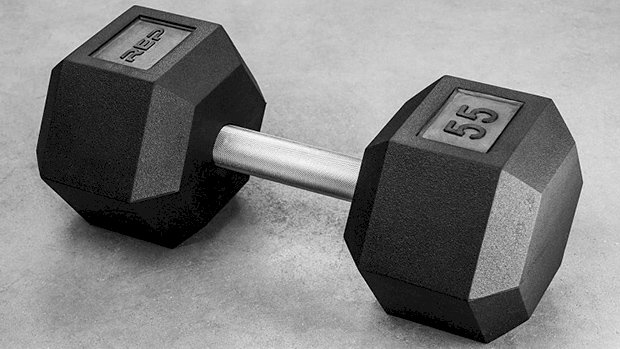 This exercise fires up the CNS and recruits a ton of muscle fibers. It’s a great primer exercise that’ll prepare any lifter for a big squat session. The Goblet Jump Squat The most common types of jump squats come with their own set of problems that you won’t have with this version: The barbell jump squat often results in compromised mechanics because of the bar that lands on the spine, which can cause the knees to cave at the bottom of the rep. Even landing properly with a barbell on your back leads to unnecessary stress with each jump. Holding the dumbbells by your side is the most common dumbbell squat jump but it comes with some problems. When you hold the dumbbells by your sides you end up internally rotating your legs to provide room for the dumbbells. Then the knees cave in slightly at the bottom of each rep. This becomes an even bigger issue as you progress to heavier (larger) dumbbells. The Goblet Jump Squat is Better You could load goblet jump squats with any size dumbbell without compromising your mechanics. The front-loading also takes stress off the spine. Weighted jumps are crucial for explosive athletes. Try 3 sets of 5 before your next leg
Origin: Tip: Do This Before Heavy Squats
Tip: Take the Hang Pull-Up Test
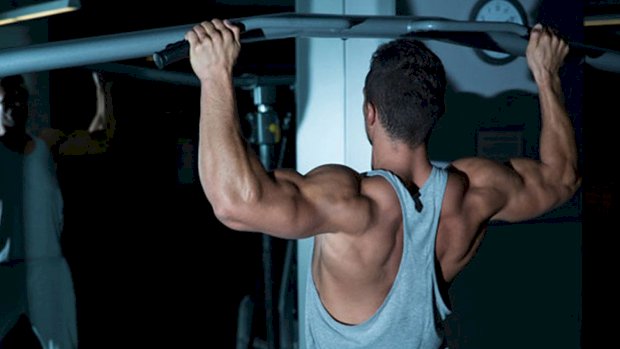 Every lifter should be able to hang from a pull-up bar for 30 seconds. If you can’t then you need to work on grip strength… and maybe lose some of that useless dead weight. (That would be fat). Aside from grip strength, the hanging test might highlight some shoulder and spinal issues. Can you do that easily? Good. Now try this: Hang from the bar for thirty seconds. When the timer rings, do a pull-up. If you can do that, you’re not too bad. Now let’s ramp it up. Without letting go, drop back down and hang for another thirty seconds and do a second pull-up. For the true crazies, let’s see who can do 10 of these 30-second hang pull-ups. Few can “hang” for over five minutes. Can
Origin: Tip: Take the Hang Pull-Up Test
Tip: Spot the Squat Like a Pro
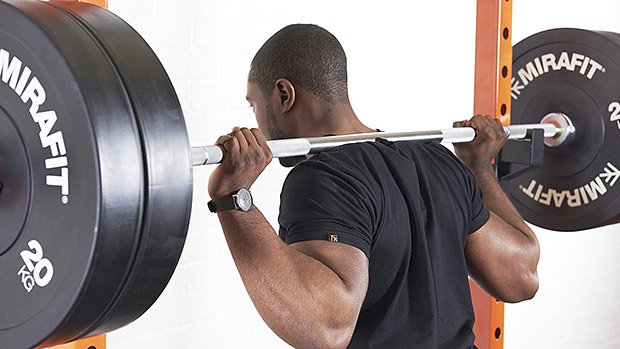 Spotters are often needed during the back squat because many lifters just don’t have experience dumping the bar. Squatting down with a heavy weight and realizing you don’t have the strength to stand back up can be a frightening and potentially dangerous situation, especially if you don’t have safety racks ready. Good Communication First Make sure you ask how many reps the lifter is going for so you’re ready to assist when needed. Make sure you communicate that you’ll be standing close and will under-hook their arms and help them stand back up if needed. This is especially important to mention if you’re a male spotting a female. The Do’s of Spotting the Squat Do make sure you’re standing very close to the person you’re spotting. Although this looks awkward, you need to be there should you see the person start to fail. Do use a double-under hook under the arms to keep the lifter’s chest upright should he start to fail. Do maintain a strong flat back and use your hips to help the lifter back to a standing position. There’s no way you’re going to pull the lifter back up with your biceps alone. Do offer assistance when the bar comes to a complete stop and the lifter starts to drop back down. Make sure you’re using just enough assistance to get them past the sticking point. The Don’ts of Spotting the Squat Don’t have your junk against the lifters butt for the entire duration of the set. You should be close, but this shouldn’t look like you’re grinding at the club. Don’t try to grab the bar when offering assistance. If the person you’re spotting is lifting an appreciable amount of weight this isn’t a good way to help him if he begins to struggle. Don’t assist before you’re needed. That’s annoying and ruins the set. Don’t stand so far back that you won’t be able to offer
Origin: Tip: Spot the Squat Like a Pro
 All about sport xlsport.club