
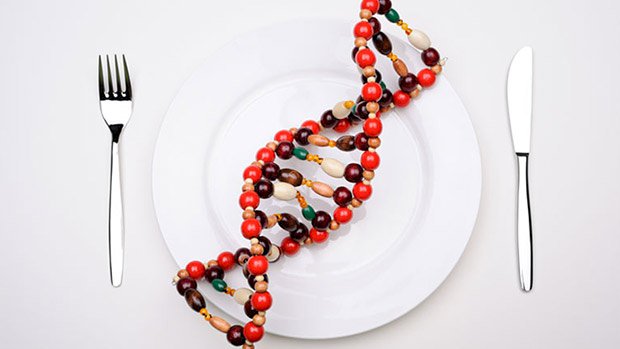
 How Does Fat Affect Your HEC? If there’s one thing I’ve learned from being a clinician it’s that individuality reigns supreme. When it comes to fat, or any macronutrient for that matter, I’m looking to help my patients understand their unique reactions. Science can guide us, but research regresses everything to the mean. It’s a tool of averages and not a tool of individual reactions. Off-the-shelf diets and protocols can be of use too, but in the end each individual will respond differently. I’m interested in helping my patients learn what works for them and what doesn’t. When it comes to fat for health and weight loss it really comes down to understanding how it affects hunger, energy, and cravings or what I call HEC (pronounced “heck”). If including fat in a meal makes HEC stay in check for longer, then I want my patients to discover that. If eating fat results in HEC going out of check, that’s also extremely useful to understand. The Protocol When I start this process I like for my patients to separate their macros as much as possible. This means they’ll choose from a few categories: Lean protein Fatty foods Fiber/water foods Starchy/sugary foods I instruct them to eat a base of protein and vegetables: an egg white veggie scramble, a piece of lean white fish and asparagus, chicken and broccoli etc. I ask them to note how that meal impacts HEC. Then I have them add fat to the meal. To make this easy, I use the “1 tablespoon of fat is 10g of fat” rule. Does adding 2 tablespoons of avocado to the egg white scramble stabilize HEC and result in less calorie intake later? Does adding a tablespoon of butter to the asparagus and broccoli help or hurt HEC? This simple strategy immediately tells my patient how fat impacts them. (And this can be done for starch as well.) Giving Power To The Patient Let’s face it, for some adding fat satisfies and stabilizes metabolic function, allowing them to feel full faster and for longer. This helps their food be more enjoyable and can result in them eating less overall. For others, adding fat can trigger cravings for other calorie-rich foods, may not satisfy them, and results in worse eating later and higher calorie loads for the day. Depending on their reactions I can then advise on a lower fat or higher fat ratio on their macros. Perhaps fat as 20% of total intake or fat as 40% of total intake. Perhaps I even learn they could thrive with a keto approach. This is a patient-first approach and saves me from my own bias and the uncertainties of research. It also gives the power to the patient to stop being a dieter and trend follower and start being a student of their own
Origin: Tip: How to Customize Your Fat Intake
Tag: Your
Tip: Your Fitness Tracker Sucks
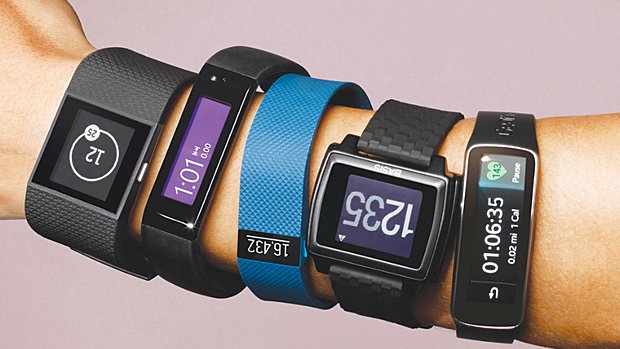 Since fitness trackers and smart watches have become popular, several bloggers have attempted to test their accuracy. Most have noticed the same thing: these suckers just aren’t very accurate. When the bloggers wore several of the gadgets at once, the devices all gave them different readings when it came to heart rate, steps taken, calories burned and other metrics. Not good. These were just regular folks doing the testing, but now science has stepped up to really put these devices through their paces when it comes to two important metrics: heart rate and energy expenditure (calories burned.) The Study In a Stanford University Medical Center study, researchers recruited 60 volunteers to test out several devices in a lab setting. The subjects wore up to four devices at the same time and did various activities such as walking, running, cycling and even just sitting. They were also hooked up to “gold standard” lab instruments that measure heart rate and energy expenditure. The idea was to compare the mass market gadgets to the super-accurate lab instruments. The Results For heart rate, most of the fitness trackers did okay. The Apple Watch had the lowest error rate (2%) while the Samsung Gear S2 had the highest error rate (6.8%). But that’s close enough for non-medical purposes. The problem was in the “calories burned” or energy expenditure readings. They all sucked: No device achieved an error rate in energy expenditure below 20%. The most “accurate” device was off by an average of 27%. The least accurate was off by 93%. The error rate was worse for males and those with darker skin tones. The Apple Watch had the most favorable overall error profile while the PulseOn had the least favorable overall error profile. Here’s an overview: Apple Watch: Not as shitty Basis Peak: Still kinda shitty Fitbit Surge: Pretty darn shitty Microsoft Band: Super shitty PulseOn: The shittiest How to Use This Info Whatever you do, don’t adjust your training or diet based solely on what a wearable fitness gadget is telling you. When it comes to “calories burned” measurements, they’re grossly inaccurate. The algorithms stink and what you’re basically getting is a broad, educated guess. But if you’re absolutely determined to buy one, the Apple Watch looks like the best bet based on this study. Or you could use that inexpensive, highly-accurate fitness assessment tool you already own: a
Origin: Tip: Your Fitness Tracker Sucks
 All about sport xlsport.club