
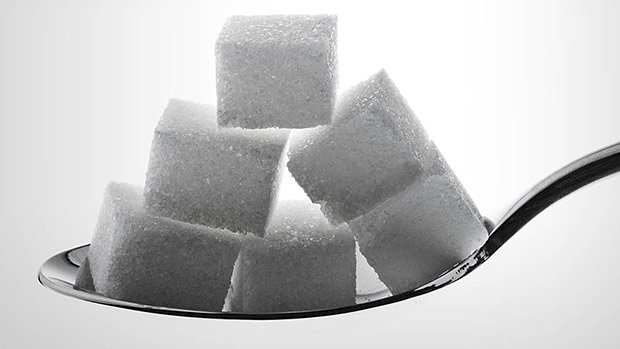
 Sugar Made Me Do It! Pssst. Yeah, I’m talking to you. Have you ever, maybe after walking out of one of those Lululemon stores and seeing all those gluteally endowed sales people (and maybe mannequins, too), gone home and engaged in a little, you know, solitary sin? If you have, it’s not your fault. You’re no pervert. It’s the sugar that made you do it. At least that’s what they used to think. In the 18th century, British author Jonas Hanway wrote that sugar created “fantastic desires and bad habits in which nature has no part,” which is a polite, English, high-society way of saying that sugar makes you want to rub one out. The demonization of sugar continued on into the next century, when, in 1852, physician James Redfield argued that sugar, processed sugar in particular, was responsible for all kinds of moral failings. He thought each phase of sugar processing was a “stage in the downhill course of deception and mockery, of cowardice, cruelty, and degradation.” As such, he concluded that animals that lived on honey, like the bee, hummingbird, or bear, were brave and cautious, while those that preferred sugar lacked integrity, “as, for example, the housefly and the ant that lives in the sugar bowl.” Thirty years after Redfield made his candied zoological observations, John Harvey Kellog, the guy responsible for the grrreat Frosted Flakes in your cupboard, was back to linking sugar with improper thoughts and desires, insisting that sugar excited the genital organs. But that was then. We’re far more scientifically sophisticated nowadays. Sure. No longer do we link sugar with the impulse to pleasure yourself. Instead, we link it to the criminal mind, murder, and maybe even Nazism (Jerome Rodale, 1968). We think it’s toxic, evil, poisonous, even addictive – brother to alcohol, tobacco, cocaine, and heroin (Robert Lustig, 2013). Sugar is even believed to cause hyperactivity in children, along with diabetes and cancer. So afraid are we of sugar in general that some otherwise reasonable people now tend to avoid fruit, lest the sweet demon possess them and bring them to physical ruin. What in the world of sweet-tasting carbohydrates is going on? Sugar doesn’t lead to, or cause, any of the things listed above. In moderation, it’s a fairly innocuous and downright pleasurable foodstuff. Let’s look at each of these more modern accusations and see if there’s even a shred of merit to them, but first, let’s define exactly what we’re talking about when the topic is sugar. A Sugar by Any Other Name Much the same as 19th century physician James Redfield, we tend to ascribe different levels of evilness to different kinds of sugar, with white, refined sugar (sucrose) being regarded as the worst. What we need to remember is that all carbohydrates are sugar and that all carbohydrates, whether they be oatmeal, sweet potato, or table sugar, get broken down (hydrolyzed) in the digestive tract into the same three molecules: Glucose Fructose Galactose The only difference, as far as your body is concerned, are 1) that some carbs are more easily digested while others (fiber) resist digestion, and 2) fructose is metabolized almost solely by the liver, while glucose is dumped directly into the bloodstream and transported directly to all tissues. About 41% of fructose is also converted into glucose within 3-6 hours. The rest of it is oxidized, converted to lactate, or converted to glycogen and stored. Less than 1% is converted to plasma triglycerides, or fat. And all those fructose studies that cited liver damage and fatness? Most of them used amounts as high as 315 grams of fructose a day, which is equal to about 45 bananas. But the important point remains: All carbs, in the end, are pretty much equal; their digestive end products are the same. Table sugar is no more “evil” than any other type of carbohydrate; it’s just more concentrated and easier to digest. Sugar Isn’t Responsible for Diabetes Despite the widespread belief that sugar causes diabetes, there’s no one-to-one correlation between sugar and diabetes. Even The American Diabetes Association agrees. Sure, they recommend that you avoid marinating yourself with Mountain Dew all day, but there’s little evidence to prove that moderate amounts of sugar will cause diabetes. That being said, a diet high in simple sugars and simple carbs can reduce insulin resistance over time, thus leading to Type 2 diabetes, but that’s entirely different than the direct cause/effect pattern touted by most decriers of sugar. Additionally, brand-spanking new research has shown that high-fat, high-carb, high-calorie meals (junk food) can have an inflammatory effect on the gut, allowing proteases (protein-eating enzymes) to leak through, enter the bloodstream, and “digest” insulin receptors on blood cells. This effect, if repeated often enough by continuing to eat poorly, could then result in Type 2 diabetes, but again, the culprit isn’t specifically sugar. No, Sugar Doesn’t “Feed” Cancer
Origin: Everything You Heard About Sugar is Wrong
Tag: Wrong
Tip: We Might Have Been Wrong About Diabetes
 All of us diet and nutrition types were pretty sure we knew all the causes of Type 2 diabetes. Whenever the topic came up, we’d look for the nearest soapbox, hook our thumbs in our suspenders, and start to drone on about its causes. We’d tell you how this here disease, folks, is brought about by obesity and physical inactivity in general, but that there’s a genetic component, too, friends and neighbors, and that it’s more prevalent in African Americans, American Indians, Hispanics, and Pacific Islanders. We’d then stroke our chins and get all sciency, blathering about how all you were all led astray by the devil and ate too much sugar and carbs or food in general and it forced your pancreas to work overtime until it, like John Henry competing against that steam-powered drill, plain tuckered out. Insulin resistance ensued, followed by fatness and inflammation and flop sweat. And then some of us would try to sell you an elixir to cure the disease. Even so, none of us really knew the exact molecular mechanism by which all this occurred. It may be, though, that some scientists at the University of California, San Diego, just kicked that soapbox out from beneath our feet. They found that when test subjects – either healthy or diabetic – ate a high-calorie, high-carbohydrate meal, it led to insulin receptors on cells in the bloodstream being literally EATEN away, paving the way to insulin resistance and diabetes. What They Did Professor Paul J. Mills and his colleagues recruited 30 people who fell into one of three groups: healthy, pre-diabetic, or Type 2 diabetic. All of them were then fed a McDonald’s breakfast consisting of an Egg McMuffin, two hash browns, a glass of orange juice, and a McCafe hot chocolate. Blood tests were taken before and after the meal. What They Found After eating the high-calorie, high-carb meal, participants from all three groups exhibited higher amounts of enzymes in their bloodstreams. These enzymes, initially released in the stomach to digest the McDonald’s meal, leaked through the gut and then continued to digest proteins, including the insulin receptors on cells in the bloodstream. Normally, these enzymes (proteases, in this case) remain in the stomach, but something about this meal – either the high calories, the high amount of carbs, or the processed nature of the meal – caused intestinal permeability to increase, enabling the digestive enzymes to continue on their destructive path. While, as stated, this “leaky gut” thing happened in participants from all three groups, the amount of proteases was lower, and returned to normal more quickly, in the healthy group. What This Info Means to You You see what happened here? Eating a junk-food meal could allow proteases to eat up insulin receptors on cells, thereby mucking up the body’s ability to regulate glucose levels and thus, potentially, leading to diabetes. The previous thinking was that a person had to eat like crap for a long time to damage his insulin sensitivity, but this study suggests that even one bad meal can have a dramatic effect. Obviously, there are questions to be answered, like what, specifically, about high carbs or high calories caused the proteases to leak through the gut? (Was it because the breakfast itself was inflammatory and caused the release of zonulin, the protein that regulates the gaps and fissures in the intestinal lining?) And secondly, just how long does the damage incurred by these leaked enzymes last? Their results may have also presented a therapeutic target for the prevention of Type 2 diabetes in that it may be possible in the future to block the activity of the digestive enzymes once they breached the intestinal tract. In the meantime, we might all want to start thinking about the wisdom, or at least the frequency, of “cheat meals” as they may be doing more harm than we
Origin: Tip: We Might Have Been Wrong About Diabetes
Stretching Gone Wrong
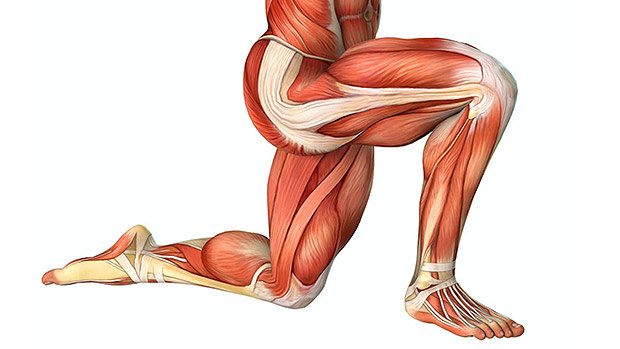 Tight hips? Stretch them out! Shoulder pain? Stretch out those pecs. Bad ankle mobility? Give your calves a good stretch. You’ve heard this advice before. You’ve been told by a personal trainer, physical therapist, or internet “expert” that stretching is the ultimate solution to all of your musculoskeletal woes. Over the years, static stretching has been dubbed somewhat of a panacea for a myriad of aches and pains. While it can be beneficial in certain scenarios, there are also many instances in which it could actually be harmful – especially if you’re stretching a muscle group into oblivion and getting no relief. Whether it’s a warm-up, a cooldown, or mobility work, some people look for ways to throw stretches into every workout. Many will even use assistance: bands, weights, partners, you name it, anything to get a deeper stretch. Sure, they may feel relaxed in that position, but it may not be eliciting the effects they actually need. Does Static Stretching Increase Range of Motion? This is why a lot of lifters stretch. If you want to get a better squat, or move like a gymnast, surely you need to stretch, right? The short answer is yes, it helps, but only if you do it consistently. Static stretching is really effective at improving range of motion (ROM) acutely. If you stretch your hamstrings for 30-plus seconds, you’ll stimulate the central nervous system, which will allow you to ultimately achieve a greater range of motion. Doing this consistently will help your body feel safer in an end range, allowing the muscles to extend a little bit more. The downside? If you aren’t stretching regularly, those effects will be limited. And to expect someone to stretch 3-5 times per week in perpetuity seems unreasonable. So yes, stretching CAN help improve your ROM in the short term, but studies show it doesn’t last. Researchers tested a 6-week stretching protocol to see if it would create lasting adaptations in ROM after a 4-week cessation. In the first 6-weeks during the stretching protocol, the mean knee ROM increased by an average of about 10 degrees. Unfortunately, as soon as the participants stopped stretching, their ROM returned to their baseline scores (Willy et. al. 2001). As such, stretching is only effective insofar as someone does it all of the time. It’s effective for creating temporary changes in the central nervous system to yield greater muscle extensibility, but it isn’t the way to go if you’re looking for a more sustainable improvement. A Better Approach Slow eccentrics (negatives) are preferable to develop long-term changes in range of motion. Interestingly, a study showed that eccentric training of the hamstrings actually increased the fascicle length of the biceps femoris (Potier et. al. 2009)! Effectively, eccentric exercise altered the architecture of the muscle. This would likely create a longer-lasting change than simply stimulating the nervous system, which is what we see with static stretching. Controlled eccentric exercises done once or twice per week can yield some pretty incredible changes in the end range. Eccentrics also give the added benefit of building strength in a movement, which makes it preferable to static stretching. For example, I might have someone with tight hamstrings do tempo Romanian deadlifts with a pause. Take a look: This will create a tremendous stretch in the hamstrings under load. Simply control a movement on the eccentric or lowering phase for 3-6 seconds with a 1-3 second pause in the bottom. A few sets of this is enough to leave you sore for days. Additionally, you’ll find that they’re stronger at end range. Is Stretching Beneficial for Tightness and Pain? It seems logical to stretch an area that feels tight. Stretching the muscle will help it relax, right? Well, not necessarily. Tight muscles can occur in two different scenarios: a muscle can be tight and weak or tight and strong. While these instances seem to contradict one another, I’ll explain how that happens. Our bodies have many different strategies of compensation. In the first case, for example, you might feel tension in your hamstrings because you actually have extremely weak hamstrings (and typically a weak core as well). The hamstrings become tight as a means of protecting the hips. In this case, eccentric training of the hamstrings is again the perfect remedy. Barbell good mornings would be a great option for building your hamstrings. By strengthening the muscle in question, you can effectively get the central nervous system to relax and feel safe enough to contract that muscle. Static stretching would certainly not be beneficial in training a weak muscle. While it may provide acute relief, in a few hours the tension will likely return to its original state. Conversely, a muscle that’s tight and strong may be compensating for another weak area. Let’s consider the latissimus dorsi. Men often have extremely tight lats. It can get so bad that they’re unable to lift their arms all the
Origin: Stretching Gone Wrong
Why You’re Wrong About Machine Training
 I Used to be Anti-Machine Like many people who came to lifting heavy objects via the sports of weightlifting and powerlifting, I viewed machines with contempt. I believed people who used them lacked the intestinal fortitude to learn how to use free weights (which are “obviously” superior). Thankfully, I’ve managed to evolve to a less ideological viewpoint, opting for one that’s more evidence-based instead. I ask myself a simple question: “What’s the best way to get big and strong?” Answering this question allows me to be much more open and objective to considering any and all rational methods that take me from point A to point B. I care about the result, not how you get the result. And that’s what allowed me to view machine training in an altogether different light. An Evidence-Based Discussion Current scientific thinking suggests that muscles get bigger and stronger when they’re exposed to unaccustomed levels of tension. The magnitude of that tension is most important for strength goals, and the volume of that tension – the number of times your muscles experience tension per unit of time – matters most for hypertrophy (size) development. Both machine and free weight exercises expose your muscles to tension, but with slightly different pros and cons. So abandon your ideological thinking and think of both options simply as tools that have varying degrees of utility, depending on context and circumstances. And remember, you’re not restricted to one or the other. Machines and Free Weights: The Key Differences By definition, a machine-based exercise is a movement where you’re required to exert force against a resistance without needing to do much in the way of controlling that force, at least compared to similar free-weight exercises. Let’s examine two very similar exercises – the Smith machine squat and the barbell squat. They both stimulate the same muscles, but in slightly different ways. Let’s examine the pros and cons… Advantages of the Smith Machine Squat More technique options. Because the bar slides up and down a fixed rail, you can do a number of things you can’t do with a barbell, like placing your feet in front of (instead of directly under) the bar. This strategy allows you to assume a more upright position than you could achieve with a barbell squat, which means greater quadriceps recruitment. You can use more weight because you don’t need to balance or stabilize. This results in more muscular tension, which in turn equates to more pronounced strength and hypertrophy adaptations. The Smith machine is much more forgiving of relatively minor errors such as positioning yourself slightly off-center under the bar. Disadvantages of the Smith Machine Squat It doesn’t require you to control bar path. While this is the most often-cited criticism of machine training, I’ve never once – in my many years of studying motor unit recruitment – come across the notion that control was a necessary or even a desirable precondition for strength or muscle development. Again, muscle fibers adapt and grow when they’re forced to generate high levels of tension. Not only do Smith and barbell squats both afford the ability to provide this tension, in many cases, the Smith squat is a better way to provide this tension. If you only squat on a Smith machine, you’ll never learn how to do a proper barbell squat. While undeniably true, I wonder how consequential this really is, assuming that you don’t plan to compete in powerlifting. It’s much like pointing out that if you only play the piano, you’ll never learn to properly play the organ. If the goal is organ mastery, this is a problem. But if the goal is to cultivate more generalized musical skills, it’s not. The strength acquired by using free weight exercises has greater positive transfer to many “real world” skills. While we’re now at least getting into a more plausible defense of free weights, the concept of transfer is often poorly understood and applied, largely because movement structure is only one component of transfer. Now, don’t get me wrong, movement structure certainly matters. For example, it’s intuitively obvious that the strength gained from squatting will positively transfer better to a vertical jump than the strength you’d acquire doing leg extensions, mostly because the structure of a squat is much more similar to a jump than the structure of a leg extension. However, if you’re comparing the positive transfer potentials of Smith and barbell squats, there’s really not a whole lot of difference between the two, unless you place your feet considerably in front of the bar when Smith squatting. But even here, the differences are relatively minor. But does needing to control your muscular efforts during a barbell squat transfer over? While there might be something to this, unless you find the vertical jump to be a complex maneuver (in terms of balance and/or overall body control), I’m far from convinced that barbell squatting would offer a
Origin: Why You’re Wrong About Machine Training
 All about sport xlsport.club