
 Here’s a question I received recently: “I’ve heard that you shouldn’t vary the weight you’re using on an exercise by more than 10 percent in a workout, otherwise it just confuses the nervous system and you won’t gain as much strength. This has something to do with what’s called ‘rate coding.’ Any truth to that?” For weight training, no. It’s based on a bad understanding of how the nervous system works. For example, this 10 percent rule means that you couldn’t do something like this because the load changes by 15 percent from the heaviest to the lightest: Set 1:8 reps, 150 pounds (75%) Set 2:6 reps, 160 pounds (80%) Set 3:4 reps, 170 pounds (85%) Set 4:2 reps, 180 pounds (90%) Look at this objectively: What about warm-ups? If you can’t have more than a 10 percent difference in weight on an exercise within a session it means you can’t warm-up. If your heaviest work set is going to be 600 pounds then it would mean that anything lighter than 540 pounds in that session would hurt your gains. Just for fun, try squatting 600 without a warm-up to see how it goes for you! Yet, this “you can’t vary the load on an exercise by more than 10 percent” is a pretty common belief, especially for those of us who had Coach Poliquin as a mentor. He put a lot of emphasis on that idea. Where Did This Idea Come From? It actually comes from track & field, coach Charlie Francis to be exact. This was Ben Johnson’s coach, and he was light years ahead when it came to the nervous system and its role in sprinting. He noticed that when his sprinters did resisted running (sprinting with a parachute) and the speed of the athlete decreases by more than 10 percent, the athlete’s sprinting technique changed. For example, he’d run more upright and would have a slightly slower stride frequency. Charlie’s recommendation was that you shouldn’t do resisted running with 10 percent or more resistance as it changes sprinting technique. Coach Poliquin took that 10 percent rule and applied it to weight training. But Sprinting Isn’t Lifting Weight training is not speed-dependant and the technique is much simpler. Even if your speed slows down when lifting, it doesn’t affect your capacity to make the lift or get stronger or bigger from it. It also won’t change your technique. In sprinting, both will happen. The argument used to justify not varying the load by more than 10 percent in a workout is something called “rate coding.” Essentially, the proponents of this principle say that the body programs the speed at which the recruited muscle fibers will “twitch” as the set starts. That programming is called “rate coding.” The heavier the weight is, the faster the fibers will twitch. If you change the weight from set to set too much you confuse the nervous system by changing the motor program on every set. It’s appealing and sounds scientific. However, it’s not accurate and just shows a bad understanding of physiology. See, when you’re lifting heavy weights the firing rate of the muscle fibers will actually change during the set. In fact, once a weight starts feeling heavy (80 percent of what you can lift at that moment) every rep after that will have a different firing rate. The firing rate doesn’t stay the same from rep to rep. With weights lighter than 80 percent of what you can lift at that moment, you increase force production by recruiting more muscle fibers. Once you reach around 80 percent you’re recruiting all the muscle fibers you can recruit. From that point on, any increase in force production will come from increasing the fibers’ firing rate (mostly the fast twitch fibers). Here’s where real physiology contradicts the 10 percent principle: The recruitment pattern changes with every rep because the “relative load” changes every rep. If you start with 70 percent on the bar, the relative load is not 70 percent for the whole set. The weight on the bar doesn’t change, but YOU get fatigued. As you get fatigued you also get weaker. If you get weaker and the bar weight stays the same, it means the bar will feel relatively heavier compared to what you can lift right now. It looks something like this: Rep Weight on Bar Fatigue Relative Weight 1 70% 0% 70% 2 70% 3% 73% 3 70% 6% 76% 4 70% 9% 79% 5 70% 12% 82% 6 70% 15% 85% 7 70% 18% 88% 8 70% 21% 91% 9 70% 24% 94% 10 70% 27% 97% When you hit failure, it means that the relative weight is 100% or more of your capacity at that moment. Now, let me show you what muscle fiber recruitment looks like depending on the weight. In our example above, from rep number 1 to rep number 4 or 5 you would compensate the fatigue by increase muscle fiber recruitment. From rep 5 and onward you can’t bring in any new fibers, so from that point on you start making the recruited fast twitch fibers twitch faster (higher firing rate). If the 10 percent principle were true, we’d be in trouble because even within a set there’s more than a 10 percent variation. What’s important here is that
Origin: Tip: The Truth About Rate Coding
Tag: Truth
Tip: The Truth About Exogenous Ketones
 Exogenous ketones – waste of money or worth it for some? I guess it depends on why you’re using them. Right now, they’re relatively new on the scene. There’s only very slight evidence they’re having an impact on performance enhancement, and very little (if any) evidence they’re aiding fat loss. Science is notoriously slow with answering these questions and that’s frustrating for all of us, especially when it means the overzealous people of anecdotes fill the void. Add an MLM (multi-level marketing) component to it and you have a big mess of novelty bias, research gap, bioscience, and monetary motivation to contend with. I will say this: If you’re using the keto diet to lose weight, the use of exogenous ketones does NOT make much sense. If you eat the ketones, your body sees no need to make its own ketones. You may still be in ketosis on your ketometer, but are those ketones you’re making from your own fat stores or from the stuff you just drank? Where they may have some utility is getting into ketosis faster, exercising under ketogenic conditions, and experiencing satiation. We know that protein is THE most satiating macronutrient. Some evidence suggests once the body starts making ketones they’re on a par with protein in satiating potential. Exogenous ketones may play a role in controlling SHMEC (sleep, hunger, mood, energy, cravings) in that all-important three days to get into ketosis. I call that the AKZ (the Almost Keto Zone). Most people who try keto can never get past these three miserable days and therefore end up getting fatter. They cut carbs and then binge within three days and repeat that cycle again and again. So, I think there are some possible beneficial areas to explore the use of exogenous ketones, but right now the science doesn’t substantiate the hype. It’s also useful to note that the ketosalts widely available currently have shown less potential in research compared to the ketone esters which, if I am not mistaken, are not available
Origin: Tip: The Truth About Exogenous Ketones
The Truth About Digestive Enzymes
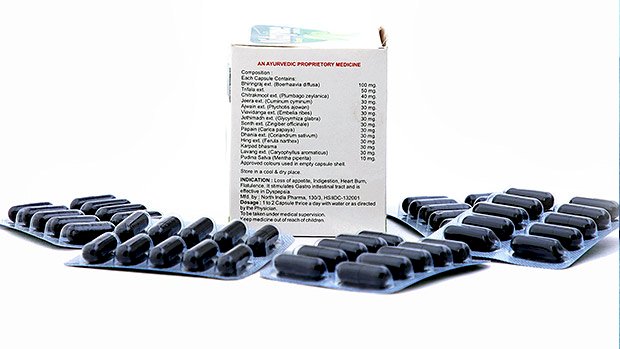 Like a Dead Horse Most guys don’t chew their food much. They just use their teeth to rip off pieces of meat from whatever carcass is on their plate and they force it down their gullet with a huge, anaconda-like muscular contraction. No wonder they get gassy and bloated and filled with acid that threatens to overflow up into their esophagus. It’s not much different then throwing the body of a dead horse into a bog. You know nature will eventually do its work and break the thing down, but with all those noxious gasses being formed, no one much wants to be around while it’s happening. Many big eaters resort to using digestive enzymes to help break down that horse, but do they work? Few people are willing to buck up the research money for things that are already in wide usage and can’t be patented, but the science behind them makes sense. From Pancreas With Love As you might know, enzymes are chemicals that accelerate chemical reactions. In the case of digestive enzymes, they’re chemicals that break down fats, proteins, and carbohydrates into their constituent parts. Most of them are produced in the pancreas and slosh down as needed into the small intestine, which is where most of the digestive heavy lifting occurs. If, for some reason, you don’t produce enough of these enzymes to do the job, you get gassy and bloated. Swimsuit photo shoots have to be cancelled and rescheduled. Then there are people who are far worse off. Their production of digestive enzymes is so meager that it results in weight loss and even malnutrition. For them, there’s no alternative but to use prescription digestive enzymes. The average horse eater, though, has plenty of over-the-counter (OTC) digestive enzymes to choose from. When questioned as to whether they work, most manufacturers whip out a 1999 study as proof that they do, but that study, which did indeed show that a digestive enzyme helped break down high-calorie, high-fat meals, used a prescription lipase (an enzyme that breaks down fat). Unfortunately, there aren’t many (any?) studies that prove the efficacy of OTC digestive enzymes in easing digestive problems. However, most people, anecdotally at least, seem to feel better after using one of these products, provided they used the right one for the job. The Right Kind for the Right Problem The labels of most OTC digestive aid products list several different kinds of enzymes, including various herbs and nutrients believed to help digestion in general. If you have trouble digesting complex carbs, you’re going to want something that contains amylase, plus maybe some additional, more obscure enzymes that break down various specific sugars. If cruciferous vegetables and legumes are your personal devil, then you’re going to want to try a supplement containing alpha-galactosidase. If you can’t handle lactose, you’re going to need something that contains lactase. If protein is your problem, then look for a protease like bromelain or its friends. If fat is your nemesis, seek a lipase. Most often, though, all of these enzymes are usually lumped together in kitchen-sink formulations that will help your gut disassemble just about anything you might swallow, so you might not want to go to the trouble to seek out nutrient-specific enzymes. What About Gluten? As far as people with gluten sensitivities, let me quickly temper any rising expectations you might have had about the potential of digestive enzymes: Studies haven’t shown them to break down gluten. They appear to be of no help to people with actual celiac disease. However, for some reason, people who don’t have celiac disease – who just claim to be gluten sensitive – report having found some relief through the use of digestive enzymes, so it’s possible they work. Other Purported Benefits of Digestive Enzymes Oddly enough, some proteases like bromelain and trypsin seem to have anti-arthritic properties too, and plastic surgeons and the like often prescribe bromelain to help stop bruising and aid healing in general. And then there’s the side effect no one really talks about much: weight gain. Since the digestive enzymes help you digest nutrients like protein, fats, and carbohydrates more efficiently, it only stands to reason that you’ll also be absorbing their CALORIES more efficiently. That’s good news if you’re currently in a bulking phase, but not so good if you’re trying to cut calories. Signs You May Need Digestive Enzymes One or more of the following symptoms may mean you’re a candidate for taking digestive enzymes: After a meal, you often feel as if there’s an alien in your gut, itching to bust out. You produce enough gas to power a small Midwest city. After having a bowel movement, you could conceivably reconstruct the pulled pork Panini sandwich you had for dinner from the undigested bits of what was floating in the toilet. You feel full after just a few bites. Your stools are persistently as buoyant as a pool toy. You eat enough food for an entire NFL
Origin: The Truth About Digestive Enzymes
The Truth About Cheese
 There aren’t many foods more closely associated with the unhealthy eating habits of Americans as cheese. You can bet that if slobby guys had their own clan, their sigil would be a gooey double cheeseburger in front of two crossed swords that look a lot like French fries. Its rep as being high fat and high sodium is so entrenched that it’s one of the first foods people abandon when they start trying to eat better or lean up. They’re making a mistake, though. Cheese is not what they think it is. It’s innocent. It didn’t kill Colonel Mustard in the kitchen with either a candlestick or hardened arteries. It turns out cheese REDUCES the risk of hypertension, cardiovascular disease in general, cancer, and diabetes, in addition to stimulating the beneficial bacteria in your gut to go above and beyond the call of gastrointestinal duty. Cheese in fact has so many potential health benefits that nearly everyone, except for some people with lactose intolerance or irritable bowel syndrome, should be eating some cheese every day – even abs-conscious dieters. Lots of Research, Same Conclusions In 2015, a study showed that a diet high in cheese, when matched against limited dairy consumption, significantly reduced the production of TMAO (trimethylamine N-oxide), which has been associated with increased risk of cardiovascular disease and even cancer (Zheng, et al). That same study also showed that diets high in cheese increased the production of butyrate, hippurate, and malonate, beneficial short chain fatty acids that are byproducts of microbial action and play a benevolent role in gut-related diseases ranging from autoimmunity, cancer, and even obesity. Other studies in both rats and humans have shown that cheese consumption, contrary to accepted beliefs, actually lowers cholesterol. And the research beat goes on. In 2000, Saito and his colleagues found cheese to contain peptides that lower blood pressure, which was kind of surprising, given that cheese, with its high sodium content, has long been thought to jack blood pressure to the stratosphere. One study concluded that cheese consumption is associated with a 19% reduced risk of metabolic syndrome, while another reports that every 60-gram daily serving of gouda cheese lowers the risk of breast cancer of 25 to 64-year old women by 35%. Collectively, this research has caused some scientists to speculate that cheese may be the explanation behind the French Paradox, which is a term that describes the observation that French people, despite using foie gras like American kids use Nutella and having a high-saturated fat diet in general, have a low incidence of cardiovascular disease. Given that the French eat the most cheese of any country in the world, it seems plausible that cheese may explain a big part of their dietary paradox, but even if you discount the French frommage eaters, the bulk of the evidence comes out strongly in favor of cheese. How Come Cheese Doesn’t Make My Arteries Sludge Up? Other high saturated-fat foods – even other dairy foods, like butter – have been implicated to varying degrees in cardiovascular disease, but the fat in cheese is clearly different for at least three reasons: The types of fats found in cheese aren’t like those found in, say, red meat. As an example, cheese contains high amounts of conjugated linoleic acid (CLA), which has been found in numerous studies to work against cancer and even obesity. (To be fair, red meat also can contain a decent amount of CLA, as long as it comes from grass-raised and grass-finished cattle.) The fat in dairy foods is in globular form and is emulsified, which is significantly different from the fat in other foods. Cheese is a fermented product and, depending on the variety, either feeds bacteria in the gut (making it a prebiotic) or actually contains bacteria that seed the gut (making it a probiotic). Maybe one of those characteristics, or all of them working together collectively, makes cheese friendlier to your heart than other high sat-fat foods. Don’t Forget Cheese’s Other Health Benefits Aside from preventing certain diseases, or at least not contributing to certain diseases like we thought it did, cheese has other nutritional super powers: While high in fat, cheese is equally high in protein. It’s very low in carbs (it’s keto approved, and some paleo advocates are fine with it). Each serving (about one ounce) contains about 20% (200 mg.) of your daily calcium requirement. Cheese is one of the few dietary sources of vitamin D. It contains B12, which is also a sometimes hard-to-get vitamin. As mentioned, depending on the variety, cheese is either full of good bacteria, or it nurtures the bacteria in your gut. There’s something else, too. Back in 2008, a professor of genetics and metabolism by the name of Gokhan Hotamisligil was looking for the presence of unique fatty acids in different foods. That’s when he found something called palmitoleate. While small amounts of the fatty acid are
Origin: The Truth About Cheese
The Truth About Rest-Pause Training
 Wait, What’s Rest-Pause Training? Rest-pause is an intensity extending method that’s long been praised for its strength and hypertrophy benefits. It’s where you perform an exercise to technical failure. After your initial set, you pause briefly. This “rest period” is typically 15-30 seconds. Then you’ll do another set until failure before taking another brief break. You do this until you’ve completed a targeted number of total reps. The total reps you choose depends on a variety of factors, but generally speaking, it should be double the amount of reps you were able to perform during the first initial set. So for example, if I were able to bench a weight for 8 reps in the first set, I’d aim to accumulate 8 more reps in the following sets to hit the targeted total of 16. Here’s what that might look like: Set 1:8 reps to failure (8 total reps completed) 15 seconds rest Set 2:4 reps to failure (12 total reps completed) 15 seconds rest Set 3:2 reps to failure (14 total reps completed) 15 seconds rest Set 4:1 rep to failure (15 total reps completed) 15 seconds rest Set 5:1 rep to failure (16 total reps completed) Does It Work? Yes, it can work for both muscle and strength gains because you’re able to maintain high motor unit recruitment. It also allows you to use the same high loads for all sets, unlike something like drop sets where you reduce the load with each subsequent set. Anyone who’s tried rest-pause knows it works… to a degree. The research confirms its efficacy, too, but a lot of coaches have probably exaggerated how well it works, especially as it relates to strength and size. Are the benefits of rest-pause more from the rep scheme itself, or is it just a matter of basic lifting principles like intensity, volume, and effort? I’d argue it’s more of the latter, especially when you compare it to boring old traditional lifting where you do a set, take a full rest period, and then do another set. Rest-Pause and Hypertrophy A 6-week study comparing strength, hypertrophy, and muscular endurance between rest-pause training and traditional training found all measures were equal after the study, except lower body endurance and lower body hypertrophy, both of which were higher in the rest-pause group (1). If taken at face value, this study shows you can get equal strength but induce more muscle growth and more endurance benefits by switching from traditional sets to rest-pause sets. However, if you look a little closer, you’ll realize you probably can’t have your cake and eat it too. Both groups (which included both men and women) trained 4 times a week with 2 days designated as upper-body push days and 2 days devoted to training back, biceps, and legs. The rest-pause group lifted with 80% of 1-rep max to failure with a rest-pause protocol that included 20-second rest periods between sets until lifters reached 18 total reps. The traditional group did each exercise for 3 sets of 6 using 80% of 1-rep max. They rested 2 to 3 minutes between sets. This study should get a lot of credit as its design was better than most studies. It used trained individuals, controlled for the same 1-rep max, and made sure both groups did 18 total reps, but unfortunately there were some issues that would obviously favor the rest-pause group: 1 – Intensity was matched, but effort wasn’t. Both groups used their respective 80% of 1-rep max, but the rest-pause group trained to failure while the traditional group not only didn’t train to failure but couldn’t have, given their protocol. The traditional group did 3 sets of 6 at the same load of 80% of 1-rep max. In general, someone using 80% of 1-rep max load should be able to crank out at least 7-8 reps when taken to failure (6), but they were only instructed to do 6 reps per set. Furthermore, if you consider the following personal differences, the participants might have easily done an even greater number or reps: Individual differences:Research consistently shows that different people can crank out a different number of reps even with the same 1-rep max (2). Adaptation differences:The more endurance you have, the more reps you can complete before failure at a given 1-rep max percentage, even when using as high as an 80% load (3). Gender differences:Women can perform more reps given the same 1-rep max (4). Any guy who’s trained with a girl can easily testify to this. Some women are just insane volume queens. Considering all this, there are plenty of reasons to think the traditional lifting group stopped short of, or pretty far from, failure. The study had another problem, too. 2 – Progressive overload wasn’t matched. The rest-pause group used progressive overload, but not the traditional group. Since the rest-pause group was instructed to train to failure until reaching 18 total reps, progressive overload was naturally built into their program. Hypothetically speaking, as they got stronger, their weekly progression for a given exercise could’ve looked something like
Origin: The Truth About Rest-Pause Training
Tip: The Truth About the Bad Girl Machine
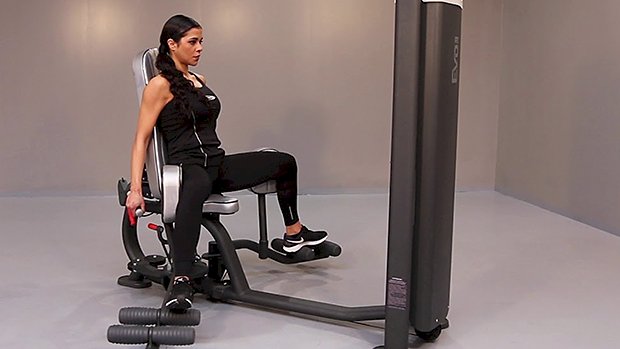 The Good Girl/Bad Girl Machine These two machines get a bad rap because for a long time women were told to get on them to “shape and tone” their thighs via the bullshit known as spot reduction. In fact, I often have to wait for some little old lady to be done with these before I can hop on. And yeah, I got a few stares along the way. Even from granny. It’s crazy how many people hate these machines because they’re not regarded as “hardcore.” They saved me from a recurring injury when I was competing in powerlifting. I suffered from a bout of adductor strains during those years that drove me nuts, but once I got really freaking strong on the adductor machine my squat climbed from 635 to 660 pounds. I’m not saying there was “carryover” to my squat from doing the good-girl machine. But once I stopped having adductor strains, I was able to smash out some very productive squat cycles that allowed those gains to happen. I credit the adductor machine for that. But I didn’t approach it like Suzanne Summers ThighMaster time. I really pushed the progressive overload and worked to get brutally strong on them, eventually working up to using the whole stack for lengthy sets. With the bad-girl machine, aka the abductor machine, I used it prior to squatting as a way to get my hips and glutes warmed up. I stayed lighter for this movement and worked in the 15-20 rep range. When I initiated a squat workout this way, my squats felt way better and were more “in the groove” right out of the gate. If you find yourself struggling to hit depth early in your squat session because the loading isn’t heavy enough to force you down into position, or that your hips and knees are ornery in the warm-up process, throw these in before squats to potentially alleviate that problem. Three to four sets of 15-20 reps will do the
Origin: Tip: The Truth About the Bad Girl Machine
 All about sport xlsport.club