
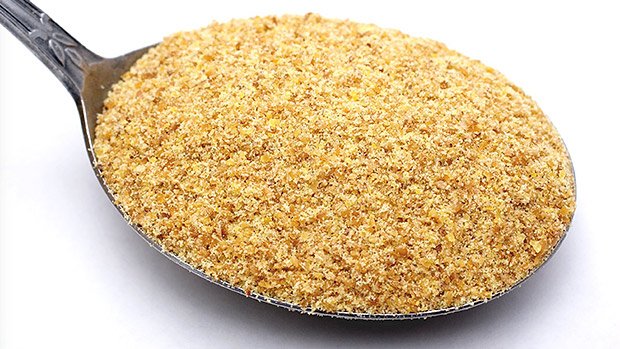
 Flaxseed: The Comeback Poor old flaxseed was once a rising star in the nutritional world. It was touted as being the highest non-ocean source of omega-3 fatty acids, so if you didn’t like to eat mackerel, herring, or oysters every day, flaxseed was your girl. But then people found out that flaxseed came with an omega-3 catch: It didn’t actually contain DHA or EPA, the omega-3s the human body needs. Instead, it contained alpha linolenic acid, which the body has to convert to DHA and EPA. That might not sound like a big deal, but it turns out the conversion process is kind of a heavy enzymatic lift for the body, so much so that only 10 to 15% of the linolenic acid gets converted into DHA and EPA (the rest is burned as energy). So flaxseed fell out of favor. It was left to molder on the shelves at Whole Foods, passed over for the younger and prettier chia seeds, but don’t worry, flaxseed isn’t vindictive like your ex. She’ll take you back, because that’s just the kind of big-hearted seed she is. And while she may not have the omega-3 horsepower of her fishy friends, adding a daily teaspoon or two to your diet could improve your health considerably in the following categories: 1. Cardiovascular Disease Flaxseed, at least in animal studies, has proven to be effective in slowing the build-up of plaque induced by high-cholesterol and high-fat diets, in addition to lowering circulating levels of trans fats. As far as human trials, flaxseed has been shown to significantly decrease systolic and diastolic blood pressure, so much so that it led to a prediction of a 50% decrease in the incidence of heart attack and stroke. 2. Diabetes Dietary flaxseed reduced blood glucose in people with Type 2 diabetes, along with lowering blood sugar in people with prediabetes. 3. Cancer A review of ten human trials led to the conclusion that flaxseed reduced the rate of tumor growth in women with breast cancer. Cancers of the prostate, lung, colon, ovary, endometrium, liver, and cervix have also been inhibited by flaxseed. 4. Skin Health Women involved in a 12-week, randomized study found that dietary flaxseed oil led to a significant decrease in trans-epidermal water loss, skin roughness, and scaling, with an increase in skin hydration and fullness. 5. Gastrointestinal Health Because of its high fiber content, flaxseed has shown a lot of promise in giving relief from constipation, in addition to reducing symptoms of irritable bowel syndrome (IBS). It also appears that it’s fermented in the gut and leads to the formation of short-chain fatty acids, which may favorably alter the microbial microenvironment. Forms of Flaxseed While we generally think of flaxseed in its whole-seed form, it’s also available in ground form, as flaxseed oil, and as partially defatted flaxseed meal. More recently, a “milk” form has entered the market to compete with almond and oatmeal milk. The latter iteration is fast gaining popularity as it contains no cholesterol or lactose, is suitable for people with soy, nut, or gluten allergies, and is more healthful than almond milk. I prefer the ground form, though, as it adds a slightly nutty flavor to foods. Crushing the outer seed also makes both the ALA and the ecoisolariciresinol diglucoside (SDG), flax’s predominant antioxidant polyphenol, more bioavailable. However, crushing the seed through grinding also exposes these chemicals to oxidation, so ground flaxseed needs to be kept in the freezer to preserve its magic. What are the Naysayers Going to Point Out? Every nutrient or food seems to have its detractors, and flaxseed is no exception. They’ll tell you that the protease inhibitors, phytic acids, linantine, and cyanogenic glycosides found in flax make it impossible or unlikely that the body will be able to absorb and benefit from it. They’re right in theory, but wrong in practice, as several studies have reported no deleterious effects from these flax components. Other party poops will complain about the cyanide formed in the gut when flax is ingested, like cyanide ever killed anybody. Okay, it has, but this isn’t an issue here. Taking one to two teaspoons of flax will result in about 5-10 mg. of hydrogen cyanide being manufactured, but the human body can easily detoxify up to 100 mg. of cynanide a day. Just keep your flax consumption down to less than a kilogram a day (2.2 pounds), which I wouldn’t think would be an issue. Just the Flax, Ma’am To reap the benefits of flaxseed, add a teaspoon or two a day to anything that might benefit from its texture or taste, from oatmeal to salad or yogurt to soups. Start slow, though, as your gut may rebel against such a big dose of fiber if it isn’t used to
Origin: Tip: Mix This Into Your Food to Get Super Healthy
Tag: This
Tip: You’ve Gotta Try This New Leg Exercise
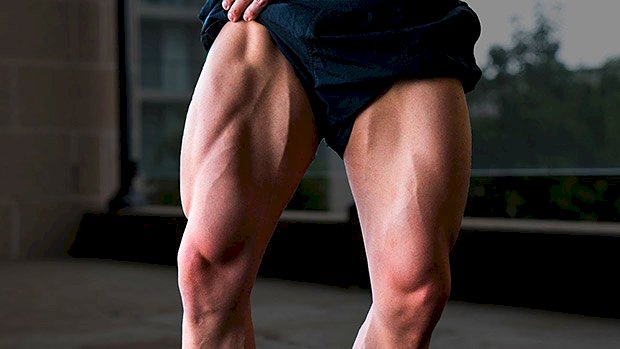 Ordinary hack squats can be hit or a miss for some lifters. In my case, after a double knee surgery, they’re a huge miss. Enter landmine hack squats, where the foot-angle alone makes a world of difference for gimpy-kneed lifters. Landmine Hack Squat Instead of having to endure the compressive forces imposed by having your feet on a platform that’s exactly perpendicular to the direction of force (as you do with any conventional hack squat), the landmine hack gives the ankles a more open angle, and that means happier knees. This creates a feeling similar to squatting with a Smith machine, without the confines of a completely fixed path. Having the weight on a fulcrum also allows you to make minor lateral adjustments to find the perfect groove. Turning around allows you to find the perfect “lean” (and right foot position) to get a great pump. How to Do It Place the bar on your upper traps and hold it steady with the other hand. It doesn’t matter what shoulder you use, but it never hurts to switch to the other side between sets. Remember to fully lean against the plates themselves, so much so that if they weren’t actually there, you’d fall backwards on your butt. It’s a trust game. Sorry. To place more emphasis on getting a brutal quad pump, get deep and don’t come all the way up – it’ll amplify the time under tension and you’ll feel the burn. Focus on sets of 15-20. A few sets of this serves as a terrific finisher on leg day, but you can also add them into a superset or compound
Origin: Tip: You’ve Gotta Try This New Leg Exercise
Tip: Could This Be the Next Super Supplement?
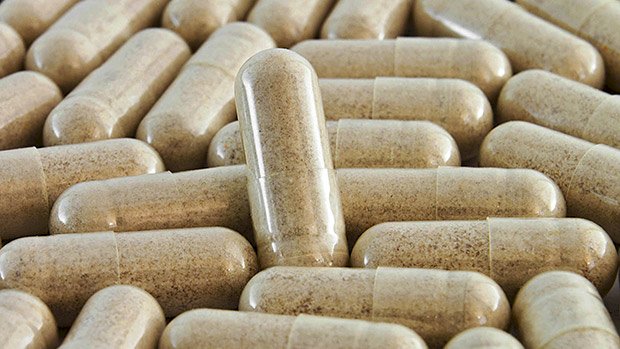 We know through written historical accounts that ancient people and not-so-ancient peoples often used plants and herbs to treat sickness. Through years of trial and error, they were able to figure out which plants had healing powers. What they’d probably stumbled on were plants that had high concentrations of certain natural phenolic compounds, which are more commonly referred to as polyphenols. Institutionalized medicine didn’t pay much attention to them, though, because the things these healers used just didn’t work well enough to inspire interest or confidence. No amount of vile-tasting herbal teas was going to fix diabetes, lower body fat, or prevent heart disease. But science has since been able to identify, extract, and concentrate these plant chemicals and use them in a way that would do all those ancient folk-medicine practitioners proud. Common examples of these polyphenols include resveratrol, green tea extract, quercetin, caffeic acid, anthocyanins like cyanidin 3-glucoside, and the current darling of the polyphenol world, curcumin. But a new player is ready to make its entrance and it might eventually rival curcumin in its accomplishments. It’s called fisetin, and its list of reported and purported benefits is pretty long. What Dose Fisetin Do? Like many polyphenols, fisetin seems to be a utility player, playing nutritional shortstop just as well as it plays nutritional right field. One problem, though – even though over 800 studies have been conducted on fisetin, only one of them involved humans. Most of what we know is based on experiments with mice and rats. Still, if some of the following benefits extend to humans, as they often do with polyphenols in general, then we might really have something: Reduces body fat:Mice gained 75% less weight when they were introduced to a high-calorie diet and given fisetin. The thinking is that fisetin may increase levels of the fat-burning hormone adipokinectin. Helps regulate blood sugar:Diabetic rats and mice fed fisetin experienced insulin and blood sugar levels compatible with healthy mice. Furthermore, it prevented sugar from bonding with proteins, a process known as glycation that contributes to a host of bad stuff like nerve damage, kidney disease, cataracts, and aging of tissues in general. Prevents the growth of various cancers:Like curcumin, fisetin seems to downright hate cancer, holding special grudges against colon, brain, lung, breast, ovarian, pancreatic, and brain cancers. It also seems to protect against prostate cancer by blocking the receptors for DHT. Improves memory and learning:Fisetin improved the memory retention and learning abilities of old rats. Protects your skin:Fisetin slowed the breakdown of collagen in cells exposed to ultraviolet light. Relieves depression and anxiety:Fisetin seems to increase levels of serotonin and noradrenaline, thereby improving mood. Helps ameliorate neurodegenerative diseases:Animal models of Alzheimer’s, Huntington’s, multiple sclerosis, or amyotrophic lateral sclerosis showed marked improvement in such aspects as memory, balance, coordination, and life span when fisetin was introduced. Lowers blood pressure:Fisetin dilates blood vessels, thereby allowing blood to flow through the pipes easier. Helps you handle booze better:Mice that partied too hard were able to process alcohol better. Combats Irritable bowel disease (IBS):When mice with the human equivalent of IBS were given fisetin, inflammation went way down. Fights aging in general:Fisetin seems to be a powerful “senolytic” in that it helps the aging body rid itself of senescent cells (cells that stopped dividing) that normally lead to inflammation and reduced lifespan if left to foster. How Does Fisetin Work? Like most polyphenols, fisetin is a powerful antioxidant, which explains or partly explains many of its effects. Secondly, it blocks an inflammatory switch known as NF-kB. Block this protein complex and you help thwart the evil plans of cancers, allergies, and autoimmune diseases. Fisetin also influences mTOR, a kinase that acts as kind of a cellular switch. Having higher levels of mTOR after a workout is a good thing as it helps you grow muscle, but having perpetually high mTOR levels is associated with a variety of diseases. Fisetin could be used to modulate mTOR levels to your advantage. Is Fisetin Safe? Fisetin, like most polyphenols, seems to only have better angels perched on its shoulders in that it doesn’t seem to have any negative side effects, even at high doses (at least in animal studies). Still, pregnant women and children should heed the usual warnings since we don’t yet know enough about the substance. The good news is that the Mayo Clinic is currently investigating fisetin in three separate studies involving diabetes, kidney disease, and frailty, so we should have more info on its safety and efficacy soon. What Foods Contain Fisetin? Of all foods analyzed for fisetin levels, strawberries contained the most, but
Origin: Tip: Could This Be the Next Super Supplement?
Tip: Tall? Squat Like This
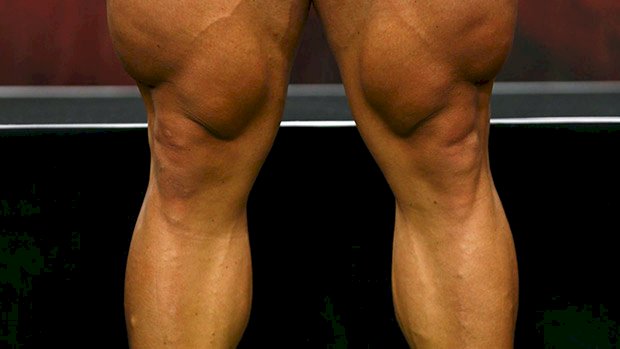 For building mass, squats are king. However, when long-limbed hardgainers try to back squat, it often looks like an ugly good morning. Switching to a safety squat bar (holding the squat rack) is a game changer. The Benefits The padded yoke takes stress off your shoulders. The bar design moves the weight forward like a front squat. This means less stress on your spine and more on your quads. Holding the rack helps you keep a more upright torso. This makes your squat look more like the pretty squats of someone with a good squat structure. It also adds some extra stability to the lift, which lets you lift more weight for more reps. Performance Tips For big legs, don’t sit back like a powerlifter. Instead, spread your knees and sit down. Drive your traps into the bar pad as you come out of the hole. If you start leaning forward to recruit more low back and hips, use your hands to push the weight back over your feet and make your quads do the work. Don’t cheat with your arms. You’re trying to build your legs, not your ego. Good alternatives: Machine squat, leg press, Zercher squat, hip belt
Origin: Tip: Tall? Squat Like This
Tip: Nail Both Heads of the Biceps With This
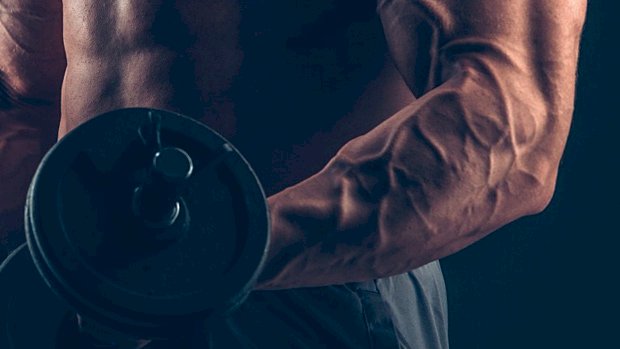 Rise Ups This is a very effective mechanical advantage drop set. You’ll start face down but spin around on the subsequent set, finally ending up standing, hitting both the long and short heads of the biceps hard in the process. Dumbbell Spider Curl:8-12 reps (to failure) Incline Dumbbell Curl:Max reps (same weight, same incline) Strict Standing Dumbbell Curl:Max reps (same weight) Standing Cheat Dumbbell Curl:Max reps (same weight) 90-Degree Isometric Hold:Max time (after last cheat rep) Do the first variation using a weight you can lift for 8-12 reps. Then go for maximum reps on the exercise variations that follow. Do this as a finisher for one or two sets after your heavier biceps
Origin: Tip: Nail Both Heads of the Biceps With This
Tip: Do This Finisher, Pack on Muscle
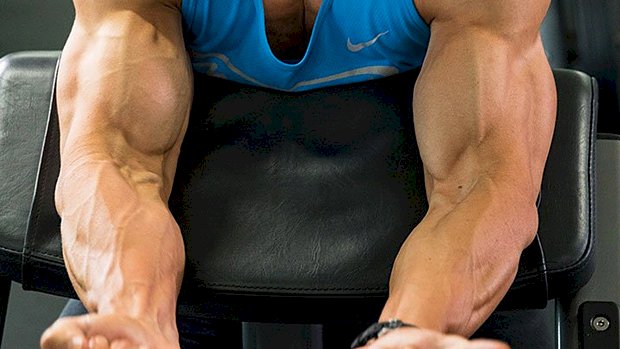 Back Off! Back-off sets are usually the first “finisher” a lifter learns. That makes sense because back-off sets are somewhat instinctive. Even someone who’s never read any articles about lifting will eventually stumble onto the technique all on their own. You do your 3, 4, or 5 heavy work sets and then, maybe having failed to get a satisfying pump, you reduce the weight for a final set and piston away until your gloriously blood-engorged muscles flame out. It’s bodybuilding’s version of an orgasm, complete with an O face. We’ve always assumed back-off sets work because, to a point, more volume is generally good, more time-under-tension is good, and a final set done with lighter weight and a greater number of reps taps into muscle fibers that only participated casually, if at all, in your main work sets. Even so, part of us wondered if these sets really did do anything to make muscle grow, or worse yet, were detrimental to muscle growth because maybe the back-off sets tapped too far into our recovery abilities. To find some answers, I dug up an older study conducted by some Japanese researchers who were also curious about back-off sets. What They Did Goto, Nagasawa, and their colleagues recruited 16 men and assigned them to one of two groups: Hypertrophy/Strength (HS) Hypertrophy/Combination (HC) During the first 6 weeks, both groups did leg presses and leg extensions using a hypertrophy-style regimen to gain muscle (10-rep maxes, short rest intervals, and progressively decreasing loads). After the 6 weeks were up, the HS group continued to work out another 4 weeks, this time performing a strength program where they did 5 high-intensity (90% of 1RM) sets. The HC group also continued to work out for another 4 weeks. Like the HS group, they also did 5 high-intensity sets, but they added a single set of low-intensity, high-rep work (the back-off set). Throughout the study (at weeks 2, 6, and 10), the researchers measured the muscle strength, endurance, and cross sectional area of the participants’ leg muscles. What They Found After the initial six weeks (during which the participants had practiced identical exercise programs), there was, predictably, no significant difference in the percentage changes of all variables between the two groups. After 10 weeks, though, the group that had switched over to the back-off set protocol (HC) showed significantly larger increases in leg press 1RM, maximal isokinetic strength, and muscular endurance in the leg extension. The cross sectional area of the quadriceps muscles of the HC group also “tended” to be larger. The researchers concluded the following: “A combination of high- and low-intensity regimens is effective for optimizing the strength adaptation of muscle in a periodized training program.” How to Use This Info There are various ways to do back-off sets. Powerlifters might do some work sets at 90% of their 1RM and then do a couple of doubles or triples at 90% of their work sets as back-off sets. This is done to build additional strength. Bodybuilders, however, generally drop their working weight by anywhere from 35 to 50% for their back-off set and aim to pump out an additional 25 reps or more until the muscles get all angried up and they can’t do any more. This, hopefully, gets them results similar to those noted in the Japanese study. One back-off set should suffice and while many lifters might choose to do them only on bench presses (mainly because they don’t have the cojones to do them on squats), there’s no real reason, outside your personal recovery limitations, that you can’t do a back-off set for nearly every body part in a workout. Most lifters wait 30 to 60 seconds between their final heavy work set and their back-off set, but many prefer the additional agony imposed by doing a back-off set immediately after the last heavy
Origin: Tip: Do This Finisher, Pack on Muscle
Tip: Do This Before a Squat PR Attempt
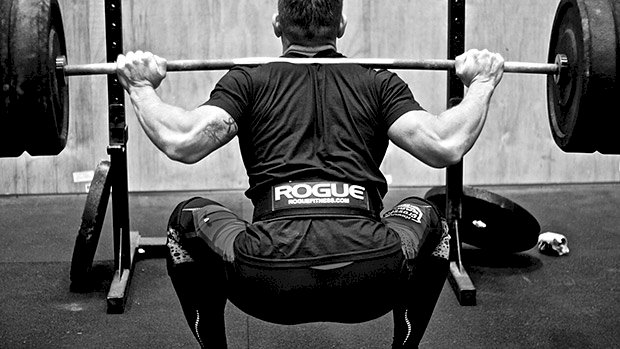 Ready to attempt a new squat PR? Or maybe the plan is to just work up to heavy sets of 3 reps? Well, the worst thing you can do is knock out a few warm-ups sets then go for the big one. To pull off a great back squat, you need to have a tightly squeezed back, a well braced core, and fully firing glutes. Do these three exercises first to make sure your body is primed and ready. Exercise 1: Wide-Grip Lat Pulldown The back squat requires a ton of upper back tightness to distribute force into the bar effectively. And you need a decent amount of shoulder mobility to put you into a position where you can get tight. To squat effectively, you should be squeezing your lats and pulling the bar down into the upper back to keep your torso as tight as possible. Performing some light reps with a wide-grip lat pulldown will not only activate your lats, it’ll also prep your shoulders for the motion needed to pull the bar into your back. You don’t need to go super heavy on these. Just do few sets of 8-12 reps. Exercise 2: Dead Bug The dead bug helps you practice bracing your core. This movement, much like the squat, requires that your core stabilize your lower back while your limbs move. Doing this before your first set of squats teaches you to activate your deep core stabilizers that keep your body from crumpling while under a heavy load. When you do this movement, contract intensely. Do NOT be lackadaisical. Imagine that a motorcycle is about to run over your midsection and you have no choice but to brace. That is how hard you should be bearing down on each rep. Fewer reps are better than a lot of reps as long as they’re done with intensity. Exercise 3: Banded Squats Few people use bands when doing their warm-up sets, but they should try it. Placing a “Slingshot” or hip circle just above the knees is a great way to get extra glute activation before you go for your heavy lift. Having the band around your knees forces you to drive them outward and helps you figure out how to “spread the floor” to get your butt to work for you. Since your glutes are the most powerful muscle in your body, it’s essential you get them firing before going for your big
Origin: Tip: Do This Before a Squat PR Attempt
Tip: Take This to Stay Lean After Dieting
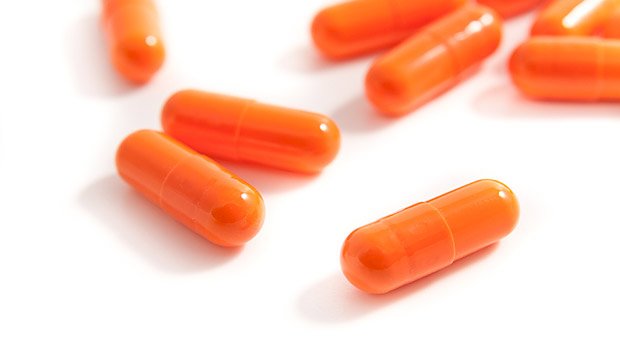 Being lean, really lean, is usually a transient state as all severely restrictive diets eventually come to an end. On one hand, the end of a diet is good. You get to laugh deliriously as ice cream dribbles down your chin. Plus, it gets easier to put on muscle. But the bad side is that your V-taper starts to soften, blur, and spread out until it’s kind of a U-taper, which really isn’t a taper at all. Recent research, though, suggests that taking curcumin after a calorie-restriction diet is over might limit the amount of fat you regain, even if for some reason you stop training, too. What They Did This was a rat study and before you say anything, rat studies are just fine, thank you. Their physiology is similar to ours and you can carefully monitor their every waking and sleeping moment because they live in cages with wheels and are housed in scientific institutions. You can’t do that stuff with humans. They’d object. And they’d probably turn their noses up at the exercise wheel and insist on one of those stupid, over-priced Peloton bikes where some virtual coach who’s likely impotent from riding so much browbeats you to pedal faster. Anyhow, scientists took rats and split them into two groups. One group was on a calorie restriction diet and had 24-hour access to one of those rat-iconic running wheels. The other group didn’t have a wheel and they got to eat as much as they wanted. After 3 weeks, the trained rats were divided into three groups. The first group was terminated immediately and the second and third groups had their running wheels locked and were reintroduced to ad libitum (as much as they want) feeding for a week. Additionally, one of these groups received a daily gavage (force feeding) of curcumin (200 mg/kg) while the other group received placebo. What They Found When the rats no longer got to exercise and were given as much as they wanted to eat, body mass naturally increased, accompanied by a 9 to 14-fold increase in epdidymal, perirneal, and inguinal adipose tissue. In other words, they got tubby in all the places one doesn’t want to get tubby in, but all of these increases were attenuated in the curcumin group. Furthermore, the curcumin-fed rats had a much more favorable insulin curve and much lower C-reactive protein (a measure of inflammation) than the non-curucmin group. The researchers concluded that, “…results indicate the curcumin has a protective effect against weight regain and impaired metabolic control following a successful period of weight loss through diet and exercise, perhaps via inhibition of glucocorticoid action and inflammation.” How to Use This Info Most people, upon cessation of a diet, probably don’t abruptly revert back to previous bad eating habits. Instead, they’d gradually relax their previously Spartan diet and slowly start to put the pounds back on until they woke up one morning and found that they’re not just pudgy again, but have a renewed sense of self-loathing. Even so, there’s ample reason to think that curcumin would work equally well in preventing post-diet fat gain in humans. Of course, the human evidence on this particular aspect of curcumin is largely unexplored, but empirically speaking at least, curcumin does seem to keep the pounds at bay. One eyebrow-raising aspect of the rat study was the amount of curcumin administered. The dosage was 200 mg/kg, which translates to 18,000 mg. for a 200-pound person. That’s about thirty-six 500-mg. capsules per day. An amount that large would cause your tears, sweat, urine, and feces to be colored a kind of initially pleasing but ultimately frightening Day-Glo orange. Don’t freak out, though. There’s an easy solution. Plain old unadulterated curcumin is notoriously hard to absorb for rats and humans alike, so the researchers had to overdose the rats to ensure they got a therapeutic dosage. If the researchers had instead added piperine (a black pepper derivative) to the curcumin, they could have increased absorption by up to 2,000 percent, thus negating the need for such humungous doses. In fact, you’d only have to take a couple of Biotest® curcumin/piperine capsules a day, which is quite a bit more manageable than 36 a
Origin: Tip: Take This to Stay Lean After Dieting
Tip: Lower Blood Pressure With This Tasty Treat
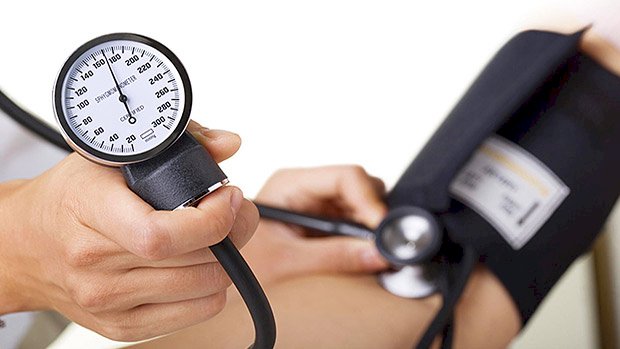 Large humans often have elevated blood pressure. At least, that’s what we’ve seen in large, obese humans. The data on large, muscular humans is mostly lacking, but generally speaking, having more muscle (and the exercise that led to it) is usually associated with a lower blood pressure reading. Still, it’s not uncommon to run into lifters whose blood vessels are straining at their cellular seams. Their high BP might be caused by anabolic steroids, unfortunate genetics, or maybe just a rotten diet. It might even be psychological if the poor red-faced bastards manifest rage as their default emotional state. Also of concern is misdiagnosis. The standard blood pressure cuff in your doc’s office is designed for people with a 13-inch arm, which is going to run a tad tight on the average lifter. That can result in a systolic reading that’s about 8 points higher than it really is, which might be enough for the doctor to pull out a prescription pad and write a scrip for high BP. While the average Joe might not notice the effects of BP medicine, the average lifter might not fare so well. He or she’s likely to feel tired or dizzy and fail to match any previous PR’s in the sack. There’s an alternative, though… a palatable alternative. Scientists found that eating the equivalent of 100 grams of blueberries twice a day works as well as blood pressure medicines in reducing high blood pressure. What They Found Investigators from King’s College in London published a report that was a combination of four separate studies in humans and one in animals about the effects of blueberries on blood pressure and blood flow. The four human studies used a blueberry drink, a blueberry powder drink, or capsules that contained blueberry anthocyanins (the class of chemicals that give blueberries their characteristic blue color). The fifth study, conducted with mice, was designed to confirm the bioactivity of the anthocyanins and their metabolites. They found that after 28 days, the 24-hour systolic BP (the first number in a blood pressure reading) dropped a mean of 5.5 mm. Additionally, participants that drank the blueberry drink experienced an increase in “flow-mediated dilation” (FMD) of 1.5% just two hours after ingestion, with the FMD plateauing at 2.3% after 28 days. “Flow-mediated dilation” is a term for improved blood flow, and it’s important because each 1% increase in blood flow translates to 10% decrease in the risk of cardiovascular disease. How to Use This Info To try to duplicate the result of this study, you’d have to eat about 100 grams of blueberries twice a day, which equates to about two total cups of blueberries. That could be expensive or difficult, given the price or availability of blueberries in the off-season. Furthermore, it could grow old fast. A more feasible alternative might be to use anthocyanin capsules derived from blueberries. Cyanidin 3-glucoside is one such anthocyanin, its blood-pressure lowering properties having been confirmed through other, separate studies (Xu, 2004, Aloud 2018). As a bonus, it’s also been shown to increase insulin sensitivity and exercise capacity, along with turning white fat cells into more metabolically active (i.e., more fat-burning) brown fat (Yilin, 2017). For best results, take 4 to 6 capsules of cyanidin 3-glucoside, sold as Indigo-3G®, once per day on an empty stomach 30 minutes prior to
Origin: Tip: Lower Blood Pressure With This Tasty Treat
Tip: Got Angry Knees? Squat Like This
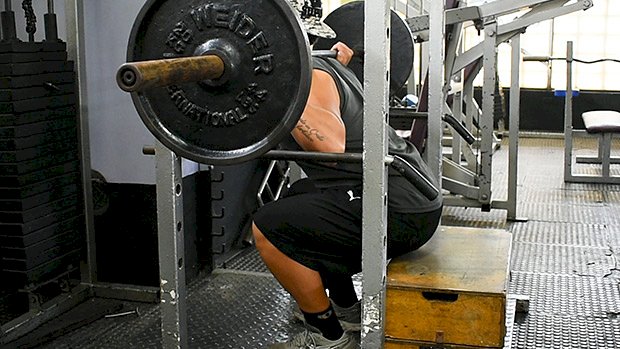 Got achy knees? Give the box squat a try: Set up a box or bench allowing parallel squat depth. Go a little higher if you’re still feeling knee pain, but don’t let it become a way to use too much load through a miniscule, restricted range of motion. If you’re able to use a greater ROM pain-free, go for it. Parallel tends to be a safe starting point for most people. “Grip” the floor firmly with your feet. Torque and rotate your hips externally to pull the knees into alignment with your hips and toes, creating a strong arch. Foot stance varies by individual, so find one that allows comfortable movement and the best range of motion. Keep in mind that the feet don’t need to be placed symmetrically – not everyone has symmetrical hip joints. Aim for a placement that allows you to feel the leg muscles evenly. Maintain external rotation of your hips through the entire rep. This should prevent your knees and ankles from collapsing inward, which would place greater stress on the knee joint and ACL. Maintain vertical shins by sitting back into your hips onto the box. A common issue here is poor ankle dorsiflexion. This can be immediately addressed by elevating your heels with squat shoes or a wedge, but is better managed with ankle mobility work for long-term resolution. By sitting back farther than a regular squat, we reduce the shear force, potentially alleviating the pain. Take a big breath and flex your abs hard to lock in that air and maintain a neutral spine. Brace your core all the way around your spine. Sit in a controlled manner onto the box without disengaging your core or legs and avoid rocking backwards to create momentum for the positive, or lifting, part of the rep. Use a controlled touch or brief pause. For added challenge, sustain a longer pause before the positive rep. Keep the movement strict and avoid failure, which would increase the likelihood of further aggravating your angry
Origin: Tip: Got Angry Knees? Squat Like This
 All about sport xlsport.club