
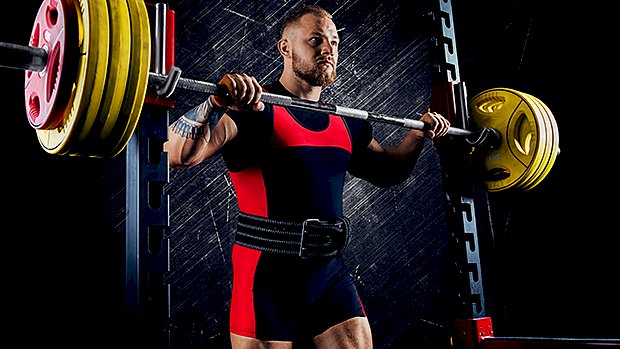
 Squats Feel a Little Clunky? Here’s a quick and easy fix to try: Pump up your hamstrings BEFORE you start squatting. Yes, you read that right. Isolate your hamstrings and chase a pump before you start your first set of heavy squats. Banded hamstring curls work great: Grab a band and loop it around something solid. The band should be around ankle to mid-shin height. Hook your feet into the band the way I’m doing in the video. If you don’t you’ll end up rolling over and the band will slip off. Move far enough away so there’s no slack in the band, but also the resistance is appropriate as you flex your knees. Of course, choosing the right band is key here too. Laying on a foam pad is optional. You can also roll up a towel. This helps with back and pelvic positioning and prevents unwanted movement coming from your lumbar region. Once you’re in place it’s pretty simple. Just pull your heels into your butt, flexing your hamstrings hard. Your goal is to get as much blood in there as you can. Do 2-3 sets of 20-25 reps. Here’s What Happens Any squatting pattern will instantly feel smoother. You’ll hit depth easier, meaning more efficiency and less wasted energy. Any clunky hips or knees you might’ve had before will feel significantly better. And because of all this, you’ll build more muscle and have better longevity in your lifts. Now, I’m not saying this works for everyone. If you’re an elite-level squatter and grooving that pattern regularly, it’ll likely not make much of a difference. It also doesn’t have as much of an effect on low-bar versus high-bar squats. If you’re a more hip-dominant squatter then the hamstring fatigue will likely negate all other benefits. Just remember, this is more of a hypertrophy and longevity technique. If you’re not barbell squatting, these still work great for most heavy knee-dominant
Origin: Tip: Squat Day? Do This First
Tag: This
Tip: This Plank Isn’t For Pantywaists
 Are you still busting out traditional planks like your life depends on it? Well, hovering a few inches off the floor on all four limbs probably isn’t going to get you where you want to be. Sure, the plank is one of the most basic core exercises for developing muscular endurance. And while there’s a lot of evidence this can help with low-back pain and posture, most of life doesn’t happen when you’re planted statically on your toes and elbows. Try increasing the intensity of your planks by adding load and throwing in an anti-rotation component. Resisting extension and rotation will carry over far better to just about everything, from walking to landing a right hook. Do this drop set: A1. Iso Row Plank (left): 10-30 seconds A2. 3-Point Plank (left): 10-30 seconds Rest 30 seconds A3. Iso Row Plank (right): 10-30 seconds A4. 3-Point Plank (right): 10-30 seconds Rest for just 30 seconds between A2 and A3, but for everything else go straight from one set to the next. Then after A4, rest as needed before you start the whole thing all over again. Do three rounds. This move will also hit those obliques and QLs (quadratus lumborum) harder too. With an iso row plank, using a wider stance will allow you to use more weight, but feel free to go narrower if you’re chasing more instability. Start with the weight, drop it, then keep holding. It’s that
Origin: Tip: This Plank Isn’t For Pantywaists
Tip: This Hybrid Ab Exercise Will Make You Cry
 Eccentric training is an excellent way to tap into those neglected fast-twitch fibers. Using any cable crunch as an example, take the cable further away from your shoulders (overhead) to increase the load via a longer lever arm. To reduce the load, bring your arms closer so your shoulders will shorten the lever arm. By changing the cable position during a cable crunch (further from the torso on the way down) we can increase load in the eccentric or negative phase. A1. Decline Eccentric Cable Crunch: 6-10 A2. Decline Crunch: As many good reps as possible Do three rounds. There should be a “peeling” of your spine as you come up and an unrolling as you come down (almost a crunch/sit-up hybrid). If you’re not used to this type of training, your entire mid-section will feel these for days. You’re
Origin: Tip: This Hybrid Ab Exercise Will Make You Cry
Tip: Train Like This or Die Sooner
 After 40, Just Give Up After a man turns 40, his muscles atrophy, his strength wanes, and his belly grows. And women over 40? Well, they just wilt like old banana peels. They even have to start buying “mommy swimsuits” at JCPenny, complete with butt-hiding ruffles. At least that’s what a lot of people seem to think. As a T Nation fan, you already know those people are full of shit. Heck, with all we know now about training, nutrition, and supplementation, your 40s and 50s might just be your best years. But there is something that takes a Kamikaze dive in your middle years. After the age of 40 or so, even physically fit men and women start to lose their ability to produce power. And power, not strength, may be the key to longevity. What is Power Exactly? Power is your ability to produce force and velocity. Moving weight fast – be that a barbell or your own bodyweight – recruits a lot of motor units. While strength and power overlap in many ways, power is the rebar in the concrete foundation of athleticism. In the gym, you can get more powerful by doing Olympic-lifting variations, torpedo’ing medicine balls, performing jump squats, and swinging a kettlebell like you’re mad at it. Generally, you use lower loads, but try to move those loads with speed and ferocity. Acceleration is key. Outside the gym, sprinting up a set of stairs relies more on power than strength. “Functional strength” is all the rage, but functional power may be even more important. So what does power have to do with living longer? Let’s ask Mr. Science. The Study Researchers gathered up 3,878 men and women between 41 and 85. This age range was chosen because power starts to diminish after 40. All the participants took a power test, this one involving the upright row. (Maybe not the best exercise choice, but easy enough for non-meatheads to learn.) Then the scientists just sat around for several years. They caught up on Grey’s Anatomy and did some fly fishing. After seven years, they tracked down the study participants to see who died, which must’ve been awkward. The Results In a nutshell, those folks who displayed above-average muscle power in the original test outlived those with below-average muscle power. But those study participants who scored a little below average on the power test were up to five times more likely to suffer an early death. Those who scored WAY BELOW average on the power test were 10-13 times more likely to be chilling out in a coffin or a lovely urn. Researchers concluded that power is strongly related to all-cause mortality. How to Use This Info No, you don’t have to give up your strength or hypertrophy training and become an Olympic weightlifter, a full-time CrossFitter, or a plyo-obsessed skinny guy. The researchers noted that becoming super-duper powerful doesn’t seem to extend your life any further than simply becoming more powerful than the average Joe or Jane. Just be above-average powerful. In the gym, add some power training to what you’re already doing. Try power cleans or some O-lift variations. (I like the easy-to-learn muscle snatch.) Throw some medballs, try to accelerate a lighter bar quickly using the core lifts, and toss in some plyo push-ups, sprints, and jumps. Then tell those people that think life is over after 40 to suck
Origin: Tip: Train Like This or Die Sooner
Tip: Eat This Before Bed and Stay Lean
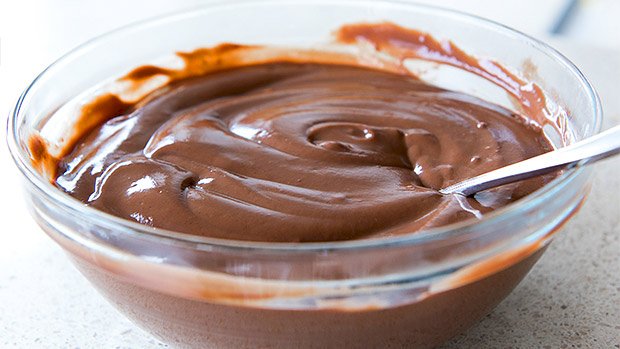 Is Nighttime Eating Bad? Yes and, um, no. The devil is in the details, or in this case, the devil is in the macronutrient makeup of your pre-bed snacks. Previous studies on nighttime eating paint an ugly picture. Eating a late-night meal or big snack before bed leads to more fat gain. (See: The Meal That Damages Metabolism.) In short, fat metabolism is impaired. Eating more before bed (as opposed to earlier in the day) also raises insulin, fasting glucose, and triglyceride levels, which adds up to a negative metabolic profile (1). Even if those Netflix snacks fit into your caloric limits for the day, the body just doesn’t seem to “handle” those calories as well, which might lead to a disruption of your appetite-controlling hormones. But these studies were usually conducted using “average people food.” And the average person is chubby and makes really crappy food choices. So what happens if you switch out the carby or fatty snacks for pure protein? New research published in The Journal of Nutrition sheds some light. The Study Researchers gathered up a bunch of weight-training women for this study. In one experimental condition, the buff women consumed a casein-containing protein shake (30 grams of protein) during the day. In the second condition, they consumed the same protein shake 30 minutes before going to bed. The researchers dragged out all their fancy machines for this one and used various methods to measure overnight fat oxidation and subcutaneous abdominal adipose tissue (belly fat) metabolism. The Results The protein shake did not blunt overnight lipolysis (the breakdown of fats) and was not expected to increase subcutaneous abdominal fat (2). The lead scientist summarized by saying, “Essentially, you can eat protein before bed and not disturb fat metabolism.” Important Details The 30-gram protein shake did not contain a significant amount of fat or carbohydrate. So if you want to switch out your normal, metabolism-disrupting snack for a shake, be sure to use a low-carb protein powder that contains a lot of casein, preferable micellar casein like that found in Metabolic Drive® Protein®. The test subjects were resistance-trained women, though this should apply to men too. If you’re not lifting weights, this info may not apply. Try This Drinking a protein shake while watching TV at night doesn’t feel much like snacking. Here’s how to change that: Mix one or two scoops of Metabolic Drive® Protein into a very small amount of water or unsweetened almond milk. You want it to be very thick and creamy, like pudding or yogurt. Partially freeze your protein goop. About 15-30 minutes should do it. Eat it with a spoon. It’s damn close to pudding or soft-serve ice cream and feels a lot more “snacky” and satisfying than just chugging a shake.
Origin: Tip: Eat This Before Bed and Stay Lean
Tip: Forget Yogurt – This Stuff is Better and Badder
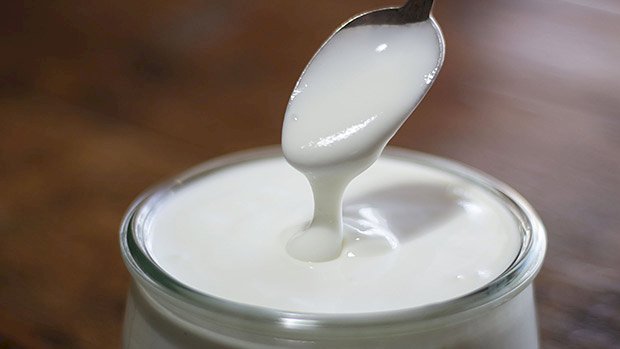 Yogurt’s been using me for years. She seduced me with her smooth, milky white body and delectably fruity bottom, whispering in my ear how good it’s gonna be, baby, when she fills me up with all her beneficial bacteria. I always end up letting her have her way with me and when I wake up in the morning, she’s gone. No note, nothing. I feel so cheap. And what’s worse, the bacteria she gave me are all gone too. That’s the thing with yogurt. Her supposedly beneficial bacteria are more or less transient. They hit our gut, hang around a bit, and then get bored. Then they take the next poop-Uber out of colon town. That’s why I’ve dumped yogurt’s fermented ass and found someone more faithful, someone who gives me a lot more beneficial bacteria than she ever did; bacteria that are faithful and are more likely to stick around. Her name is kefir, and I want to introduce her to both mom and you, in that order. What the Hell is Kefir? Kefir is a milk product made from starter grains of bacteria and yeast. The end product is a slightly sour, slightly fermented beverage that even most lactose intolerant people can drink. While it’s traditionally made from cow, goat, or sheep milk, you can make it from any type of plant-based milk (soy, rice). It can even be made from coconut milk or water to make coconut kefir, which should not be confused with the name of the stripper who lives below you in apartment 2B. The word itself comes from a Turkish word that means “feeling good,” and was traditionally made in skin bags and hung above doorways. Every time someone came through the doorway, they’d make like the bag was an annoying striker from an opposing soccer team and they’d throw a shoulder into it, thereby jostling the contents of the bag and ensuring efficient fermentation. What’s particularly cool about kefir is that it contains between 10 and 34 strains of probiotic, “good” bacteria, whereas yogurt contains only 2 to 7 strains. More importantly, as mentioned, some studies have shown that the kefir bacteria attach to the lining of the gut and form colonies instead of dying off or being excreted. That allows the kefir to change your microbiome for the better and affect all kinds of beneficial changes to your digestion and overall health. What Kefir Can Do For You While kefir doesn’t have a standardized nutritional profile, it’s safe to say that any kefir product is going to be high in calcium, magnesium, potassium, vitamin B12, vitamin A, biotin, folate, and lots of enzymes. Macronutrient-wise, a typical 8-ounce serving contains roughly the following: 160 calories 10 grams of protein 12 grams of carbs 8 grams of fat This is essentially the same as you’d find in an 8-ounce glass of whole milk, although kefir has a little bit more protein (about 2 grams). Aside from providing you with those nutrients and populating your gut with beneficial bacteria, kefir has the following superpowers: It builds a stronger immune system:Kefir contains an insoluble polysaccharide called kefiran that’s been shown to have antimicrobial properties, in addition to supposedly lowering cholesterol and blood pressure. It builds stronger bones:Okay, any milk product will do this as they all provide calcium and vitamin K2 (which aids in calcium absorption), but it’s worth noting nonetheless. It fights bowel problems and supports digestion in general:Kefir’s friendly and helpful bacteria have been shown to combat Crohn’s disease and irritable bowel syndrome (IBS). Likewise, taking it during and after antibiotic therapy can go a long way in preventing the gastrointestinal havoc the drugs often cause. It can fight cancer:Admittedly, it seems that nearly everything falls into one of two camps: Either something causes cancer or it fights cancer, so it probably becomes hard nowadays to accept something as a cancer fighter. Even so, kefir appears to have some special gifts in this area. A study conducted at the School of Dietetics and Human Nutrition at McGill University found that kefir reduced breast cancer cells by 56 percent as opposed to yogurt’s meager 14 percent. What’s It Taste Like? Kefir, like most anything else nowadays, comes in a variety of fruit flavors sweetened with a metric f-ton of cane sugar, but drinking anything else but the plain, unsweetened stuff is for kefir sissies. Besides, you can sweeten it up at home with artificial sweeteners, but the plain, unsweetened kind is by no means unappealing. It’s sour, I’ll give you that, but I think any adult palate can handle it, if not downright appreciate it. When you drink it, it gives the sensation of coating your entire stomach in a soothing embrace. It kind of reminds me of the time Homer Simpson drank melted candle wax to coat his mouth, esophagus, and stomach so that he could win a chili-pepper eating contest, but more nutritious and a lot less dangerous. How to Best Use Kefir I drink one 8-ounce glass of kefir a day, either divided into two servings or all at once. I sometimes
Origin: Tip: Forget Yogurt – This Stuff is Better and Badder
This Stuff is Better Than Whole Food
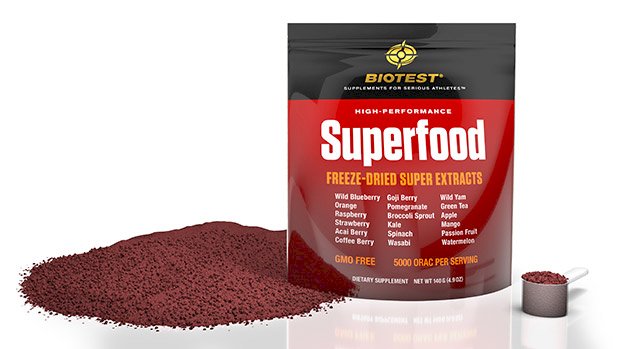 Nutritional Virtue Signaling You know what chafes me? It’s the mutts who are always tweeting about how they don’t need supplements and that we should instead get all our nutrition from “whole foods.” They think all “processed” things are bad. I’m guessing they also wear underpants made from the natural, un-dyed wool shorn of virgin yaks and their houses are constructed of organic hemp panels glued together with woodpecker spit. They’re paragons of wholesome naturalness. Yeah right. The “whole foods only” cliché is nutritional virtue signaling at its worst, a sad attempt to prove that the people who say it are more nutritionally pious than their peers, but let me smack them across the face with a cold, line-caught herring of truth: While there’s no shortage of crappy supplements and god-awful processed foods, some supplements are great and some processed foods are actually better than whole foods. Biotest’s Superfood is a great example. Granted, it’s only minimally processed – an array of 18 strategically chosen freeze-dried fruits and vegetables – but the whole-food absolutists still paint it with a horsehair brush as a processed food. Fine. Stick with your labels, but I’m here to tell you that Superfood is one food that every human being should be taking to improve their health, longevity, and, to those for who it matters, athletic ability. What’s In Superfood? Take a look at the ingredients: Berries Wild Blueberry (1.5% anthocyanin) Orange (40% vitamin C) Raspberry (20% ellagic acid, 0.7% anthocyanins) Strawberry Acai Berry (1.5% total phenolic acids, 1% anthocyanins) Coffee Berry (50% total phenolic acids) Goji Berry Pomegranate (40% ellagic acid) Vegetables Broccoli Sprout (5000 ppm sulforaphane) Kale Spinach (700 ppm lutein) Wasabi (20% glucosinolates) Wild Yam (20% diosgenin) Green Tea (95% total polyphenols, 65% total catechins, 40% EGCG) Other Fruits Apple Mango Passion fruit Watermelon (1000 ppm lycopene) What’s So Great About Superfood? One of the reasons I’m such a big fan of Superfood is because I’m high on the science of polyphenols, which are plant-derived, bioactive compounds that can repress inflammation by inhibiting damage from free radicals and interacting with the immune system, thereby conveying such health benefits as lowered blood pressure, lessened endothelial dysfunction, reduced cholesterol, lowered risk of type 2 diabetes, lowered risk of cancer, and even improved recovery from training. You know how nearly every other article you read says you should eat, I don’t know, yams or some other vegetable or fruit for this or that benefit? Despite what most novice nutritionists think, it’s not because they contain riboflavin or some other vitamin or mineral. Don’t get me wrong, those vitamins and minerals are super important, but the real magic of vegetables and fruits are in the polyphenols they contain and Superfood is possibly the richest, most diverse, and most condensed source of polyphenols on the planet. There are two really broad classes of these polyphenols – flavonoids and nonflavonoids. The flavonoid group can further be broken down into six dietary groups: Flavones:Found in abundance in citrus fruits, celery, and parsley. Flavonols:Rich sources include broccoli, blueberries, and kale. Flavanones:These are found in citrus fruit and mint, among other places. Isoflavones:Commonly found in vegetables and fruits in general. Flavanols:Apples, grapes, teas, and cocoa are rich sources. Anthocyanidins:Found in abundance in blueberries, blackberries, and eggplant. The non-flavonoid group can also be broken down into three different classes: Stilbenes:The well-known compound resveratrol is a stilbene. It and its cousins are commonly found in red wines, apples, pears, plums, peaches, and other foods. Phenolic Acids:These are found in coffee, teas, cherries, blueberries, and a bunch of other fruits. Lignans:Rich sources include kale, broccoli, berries, and whole grains. All of these classes of polyphenols are present in Superfood. The Biological Effects of Polyphenols Polyphenols are most famous for being general antioxidants. Got a free radical spillage on aisle 3? Send in the polyphenols to mop things up. We measure how potent an antioxidant is by something called the ORAC scale, which is a standardized test used by the USDA to measure the Total Antioxidant Potency of foods and nutritional supplements. The term stands for “Oxygen Radical Absorbance Capacity,” and the measurement is expressed as ORAC units per 100 grams of a given compound. For instance, the USDA determined an “average serving of fruits and vegetables” has an ORAC rating of between 400 and 500. But all fruits and vegetables aren’t created equal. Some, like coffee berry, acai berry, and goji berry (all of which are in Superfood) are off the chart on the ORAC scale. So just what is the ORAC rating of just one serving (two scoops) of Superfood? 5,315. That means just one teaspoon of Superfood has the
Origin: This Stuff is Better Than Whole Food
Tip: Is This Thing Worth Using?
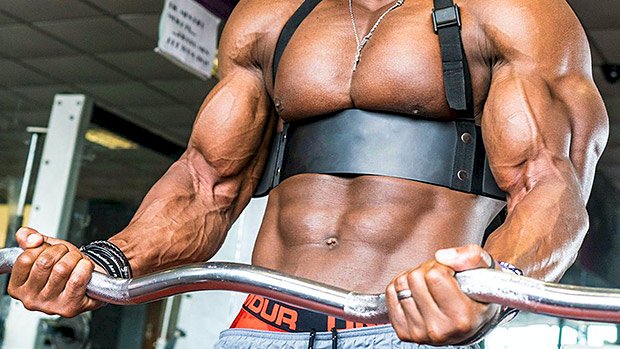 When you curl, the weight moves out in front of your feet and out of your base of support. Long, lanky arms amplify this problem. When the weights get heavy, your focus shifts away from your biceps to stabilizing your body. However, the old-school training accessory called the “arm blaster” fixes the problem. Benefits By resting your triceps on the arm blaster, you can focus on flexing your biceps. This gives you similar isolation to preacher curls without the added elbow stress at the bottom and loss of tension at the top. Tip: Resist the urge to let you triceps move off the arm blaster as you curl the weight up. Good Alternatives: No arm blaster? No problem! If you have long arms, curl with your back against a wall or do seated dumbbell curls on a back-supporting
Origin: Tip: Is This Thing Worth Using?
Tip: Make This Healthy Banana Bread
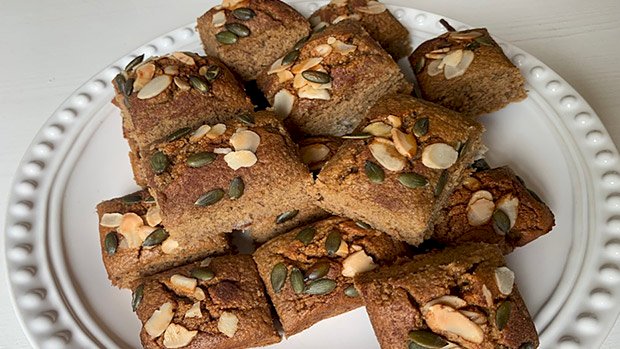 These banana bread “bites” are foolproof. They’re also more physique-friendly than the banana bread you see at the counter at your local coffee shop. This recipe is designed to keep preparation and baking time to a minimum without sacrificing taste and texture. That’s not even the best news though. These are made with simple, healthy ingredients you’ll probably already have in your kitchen. They’re lower sugar, higher fiber, gluten free, and powered by Metabolic Drive® Protein. Ingredients 8 Ounces (220g) rolled oats 2.5 Scoops (75g) vanilla Metabolic Drive® Protein. (chocolate will also work) 1/3 Cup extra-virgin olive oil 1/2 Cup honey or maple syrup 2 Medium eggs 2 Large ripe bananas 1/3 Cup fat-free Greek yogurt 1 Teaspoon baking soda (not baking powder!) 1 Teaspoon vanilla extract 1/2 Teaspoon salt 1/2 Teaspoon ground cinnamon Optional: Half a cup of mix-ins like chopped nuts, chocolate chips, seeds, dried fruit, or fresh banana slices. Instructions Preheat the oven to 350 Fahrenheit (180 Celsius). Prepare a 12×8 baking tray with baking/parchment paper. A brownie tin with dividers can also come in useful here. In a blender or food processor, blitz the oats to a fine oat four. Alternatively, you can use pre-bought oat flour. Pour the oat flour in a large mixing bowl, then add in the rest of the dry ingredients: Metabolic Drive® Protein, baking soda, salt, and cinnamon. Mix together the wet ingredients using a blender or food processor: olive oil, honey, bananas, Greek yogurt, and vanilla extract. Pour the wet mix into the bowl with the dry ingredients and combine well. Fold in any extras such as chopped banana, nuts, chocolate chips, or whatever you fancy. Bear in mind, these will change the macros. Pour the mix into the tray. Add further toppings for extra social media likes and follows (essential!) Bake for approximately 20 minutes on the top shelf of the oven. Once done, a toothpick should come out clean or with a few moist crumbs. If you prefer to bake this in a loaf tin, then aim for 325 Fahrenheit (165 Celsius) for around 50 minutes. Allow to cool for at least 10 minutes in the tray before taking out to slice. Enjoy on its own or as a vehicle for your favorite toppings. Macros Per Square (Makes 18) Calories: 142 Carbs: 19 grams Fat: 6 grams Protein: 5 grams Fiber: 2
Origin: Tip: Make This Healthy Banana Bread
This Stuff is Rocket Fuel for the Mind & Body
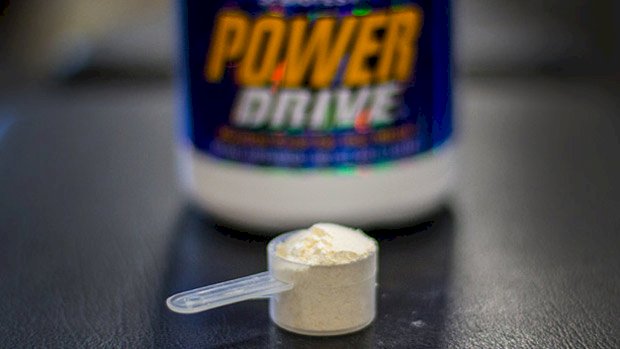 Increased muscle-fiber recruitment and strength Enhanced neural recovery Heightened and focused concentration Accelerated training progress and muscular gains Boosted motivation and mood Higher and sustained energy levels A mental edge during competition Enhanced performance in studies or exams A reduction in social anxiety And all that is exactly what Power Drive® was designed for. How Does Power Drive® Do All These Things? Power Drive®’s active ingredients are known as nootropics – substances that give cognitive benefits to the brain that often translate to physical benefits. In order to qualify as a nootropic, a substance has to meet five criteria set by Dr. Corneliu E. Giurgea, the man who coined the term: It has to enhance memory and the ability to learn. It has to increase the efficacy of neuronal firing mechanisms (which is where the physical benefits of nootropics kick in). It has to help the brain function under stressful or disruptive conditions. It has to protect the brain from chemical or physical assaults. It has to have few or no side effects and be virtually non-toxic. There are about 85 known nootropics, each of which has slightly different capabilities, mechanisms of action, and strengths. Three of them were chosen to form the backbone of the Power Drive® formulation. They are: L-Tyrosine Phosphatidylcholine DMAE Here’s a short rundown of the attributes of each: L-Tyrosine This amino acid is known as the “master precursor” because it’s required to form the stimulatory neurotransmitters dopamine, norepinephrine, and epinephrine, known collectively as catecholamines. Back in early 1980’s, an MIT scientist named Richard Wurtman discovered that when combined with a catalyst, tyrosine “Enhances performance, improves subjective vigor, decreases fatigue, diminishes subjective confusion, and decreases anxiety and tension.” And a little over a decade later, Dr. Jeffrey Stout, then of the University of Nebraska, found that tyrosine, when given an hour before exercise, increased peak bench press torque by 283% during a set of 15 reps. L-tyrosine, along with boosting cognitive function, also stimulates the production of the fat-burning thyroid hormones T3 and T4. Phosphatidylcholine Forbes magazine called this nootropic a “wonder drug.” They’re not wrong. The mag was mostly intrigued by its potential in slowing down mental decline and staving off Alzhemer’s because it’s been shown to stimulate the growth of new brain cells and neural connections – a process once thought to be impossible. But phosphatidylcholine also leads to an increase in another vital neurotransmitter known as acetylcholine, which helps control motor unit recruitment, along with reflexes and reaction times. Here’s the thing: Muscles are made of individual motor units and if you can recruit more of them, courtesy of acetylcholine, you experience an almost immediate gain in strength, power, and endurance. Over the long run, this enhanced ability to kick in more motor units will likely result in more muscle mass. DMAE Dimethylaminoethanol, or DMAE, is an amino acid naturally produced in the brain, but supplying additional amounts through the diet has some interesting effects. It, like phosphatidylcholine, helps increase levels of the neurotransmitter acetylcholine, but it’s also thought to increase blood flow to the brain, which results in improved oxygen and glucose uptake and manifests itself through increased focus and increased mental stamina. It also has some unique abilities to elevate mood, address certain symptoms of depression, and increase athletic performance. (It may even have some life extension effects as one early study showed that mice lived an unheard of 50% longer when they were given DMAE.) Does Power Drive® Have Any Negative Side Effects? Power Drive® is remarkably free of any negative side effects. Perhaps paradoxically, it doesn’t even seem to effect sleep patterns negatively. While it brings you mentally up, it’s not the skin-on-fire type of energy enhancement sometimes felt with cruder stimulants. It just makes the brain work better at everything it does, and if the brain decides it’s time to go to sleep, it actually helps with that too. Neither is Power Drive® addictive, at least not in any clinical sense. However, it might be “addictive” in the way that any pleasurable experience is, in that you’ll likely want to try it again and again when circumstances call for it. How Do I Use Power Drive®? Power Drive® is an orange-flavored, pleasant tasting powder that mixes easily in your protein drink or water. Take 1 scoop 30 to 60 minutes before workouts, athletic events, exams, or any event where you want to think or perform better, or even just to feel more mentally alert and even
Origin: This Stuff is Rocket Fuel for the Mind & Body
 All about sport xlsport.club