
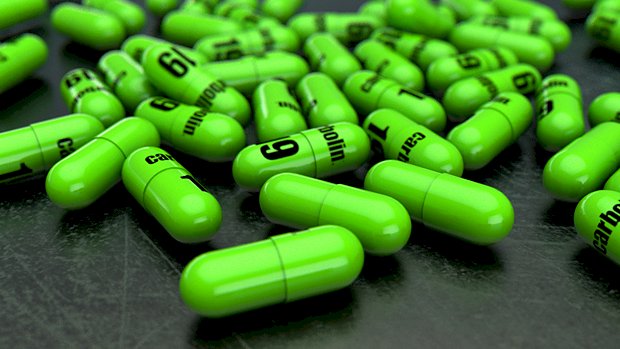
 Lazy people all over the world have long awaited the invention of a pill that allows them to enjoy the benefits of diet and exercise without actually having to do any dieting or exercising. Sure. Give them a pill like that, perfect the whole virtual sex thing, and they’ll never have to leave the house except for when the bug man comes to tent the place. Well, we’re not there yet – on either of those scientific milestones – but there is a substance that comes closer to that no-diet/no exercise goal than practically anything else in the supplement world and it’s derived from the herb, coleus forskohlii. The active ingredient is called forskolin and it can do a variety of things for the body that you normally can’t get without dieting and exercising. It does this primarily by stimulating production of an enzyme named adenylate cyclase, which in turn increases levels of a cellular messenger called cyclic AMP, or cAMP for short. In turn, elevated levels of cAMP can have the following physiological effects: Increased thyroid secretion of T4 (increased fat burning). Increased testosterone levels (increased muscle, sex drive, fat burning). Increased production of protein kinase (which leads to increased levels of hormone-sensitive lipases (HSL), which helps break down triglycerides). Increased protein synthesis in skeletal muscles. Increased activation of brown adipose tissue (more fat burning, although through a different mechanism). Lowered blood pressure (healthier cardiovascular system). Inhibited platelet aggregation (less clotting). Increased vasodilation (more blood flow). Increased bronchodilation (more air flow through the lungs). Now if you were to take one of those lazy people I mentioned, put him or her on forskolin for a few weeks, and then give them a physical, he or she might well show improvement on a number of medical parameters, just by taking a couple of capsules a day. But imagine what could happen if somebody combined exercise with forskolin. You might really have something then. Lots of Studies The effects I listed above aren’t just hearsay or conjecture. Much of it’s been tested and validated through various studies, the highlights of which follow: Male subjects in a 12-week trial experienced a 16.77 +/-33.77% increase in total testosterone compared with a 1.08 +/- 18.35% decrease in the placebo group. Female subjects in an 8-week study lost a mean of 9.17 pounds weight, while experiencing gains in lean body mass (without weight training). The total body weight of a mixed group of men and women in a 12-week study decreased from 74.7 kilograms to 73.5 kilograms while experiencing increases in lean body mass (without weight training). The forskolin users in a mixed-sex group of 50 test subjects experienced a 1.78 percent increase in lean body mass (compared with a 0.20 decrease in the placebo group) and a decrease in mean body fat from 35.8 to 34.0 percent (while the placebo group showed an increase in body fat from 38.8 to 39.0 percent). Why Haven’t I Heard of This Stuff Before? That’s an excellent question, Leroy. Even though forskolin’s been around for a few years, it’s never really caught on, either in the bodybuilding world or the health/life extension world. I’m pretty sure that it’s because most companies that decided to produce it didn’t bother to isolate and purify the main ingredient – forskolin. They just collected up the dried leaves of the coleus forskohlii plant, ground them up, and put them in capsules, with or without Italian salad dressing. As lame as that approach is, it mighta/coulda worked in some situations, like maybe they lucked out and found a crop that was particularly rich in forskolin, the same way that one harvest of oranges might be richer in vitamin C than another. Otherwise, they’d be left with a completely ineffective product, thus tainting and damaging the reputation of the product with a whole generation of users. The only way to manufacture a potent forskolin product is by isolating the active ingredient (forskolin). Better yet, you could purify it and esterify it (bind it with a carbonate ester). The end product, forskolin 1,9 carbonate, would then be much more bioavailable and its efficacy in the body would extend from about 4 hours to about 12. That’s exactly what Biotest did in producing Carbolin 19®. Do I Need to Cycle Carbolin 19®? Many supplements and drugs initiate a biochemical reaction by binding to receptors – chemical groups of molecules that receive signals from other chemicals or other stimuli to initiate a chemical reaction. The trouble is, these receptors eventually get desensitized to the original signal. After a while, you need a stronger and stronger dose to initiate the same response, until, ultimately, no dose is large enough to get the chemical ball rolling. This is what docs and scientists mean when they say someone is “insulin resistant.” However, at least as far as fat burning goes, forskolin is what’s known as a
Origin: Take 4 Capsules for Muscle Gain and Fat Loss
Tag: Take
Tip: Take This to Stay Lean After Dieting
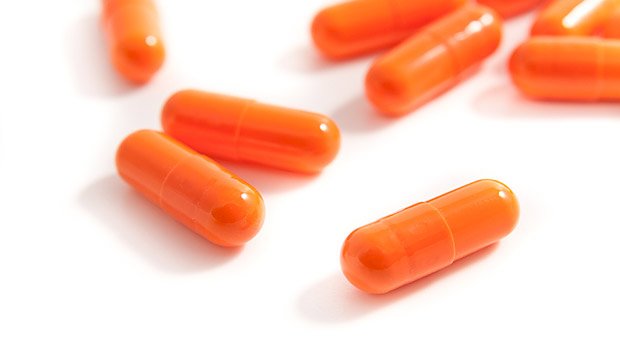 Being lean, really lean, is usually a transient state as all severely restrictive diets eventually come to an end. On one hand, the end of a diet is good. You get to laugh deliriously as ice cream dribbles down your chin. Plus, it gets easier to put on muscle. But the bad side is that your V-taper starts to soften, blur, and spread out until it’s kind of a U-taper, which really isn’t a taper at all. Recent research, though, suggests that taking curcumin after a calorie-restriction diet is over might limit the amount of fat you regain, even if for some reason you stop training, too. What They Did This was a rat study and before you say anything, rat studies are just fine, thank you. Their physiology is similar to ours and you can carefully monitor their every waking and sleeping moment because they live in cages with wheels and are housed in scientific institutions. You can’t do that stuff with humans. They’d object. And they’d probably turn their noses up at the exercise wheel and insist on one of those stupid, over-priced Peloton bikes where some virtual coach who’s likely impotent from riding so much browbeats you to pedal faster. Anyhow, scientists took rats and split them into two groups. One group was on a calorie restriction diet and had 24-hour access to one of those rat-iconic running wheels. The other group didn’t have a wheel and they got to eat as much as they wanted. After 3 weeks, the trained rats were divided into three groups. The first group was terminated immediately and the second and third groups had their running wheels locked and were reintroduced to ad libitum (as much as they want) feeding for a week. Additionally, one of these groups received a daily gavage (force feeding) of curcumin (200 mg/kg) while the other group received placebo. What They Found When the rats no longer got to exercise and were given as much as they wanted to eat, body mass naturally increased, accompanied by a 9 to 14-fold increase in epdidymal, perirneal, and inguinal adipose tissue. In other words, they got tubby in all the places one doesn’t want to get tubby in, but all of these increases were attenuated in the curcumin group. Furthermore, the curcumin-fed rats had a much more favorable insulin curve and much lower C-reactive protein (a measure of inflammation) than the non-curucmin group. The researchers concluded that, “…results indicate the curcumin has a protective effect against weight regain and impaired metabolic control following a successful period of weight loss through diet and exercise, perhaps via inhibition of glucocorticoid action and inflammation.” How to Use This Info Most people, upon cessation of a diet, probably don’t abruptly revert back to previous bad eating habits. Instead, they’d gradually relax their previously Spartan diet and slowly start to put the pounds back on until they woke up one morning and found that they’re not just pudgy again, but have a renewed sense of self-loathing. Even so, there’s ample reason to think that curcumin would work equally well in preventing post-diet fat gain in humans. Of course, the human evidence on this particular aspect of curcumin is largely unexplored, but empirically speaking at least, curcumin does seem to keep the pounds at bay. One eyebrow-raising aspect of the rat study was the amount of curcumin administered. The dosage was 200 mg/kg, which translates to 18,000 mg. for a 200-pound person. That’s about thirty-six 500-mg. capsules per day. An amount that large would cause your tears, sweat, urine, and feces to be colored a kind of initially pleasing but ultimately frightening Day-Glo orange. Don’t freak out, though. There’s an easy solution. Plain old unadulterated curcumin is notoriously hard to absorb for rats and humans alike, so the researchers had to overdose the rats to ensure they got a therapeutic dosage. If the researchers had instead added piperine (a black pepper derivative) to the curcumin, they could have increased absorption by up to 2,000 percent, thus negating the need for such humungous doses. In fact, you’d only have to take a couple of Biotest® curcumin/piperine capsules a day, which is quite a bit more manageable than 36 a
Origin: Tip: Take This to Stay Lean After Dieting
Tip: Take the Hang Pull-Up Test
 Every lifter should be able to hang from a pull-up bar for 30 seconds. If you can’t then you need to work on grip strength… and maybe lose some of that useless dead weight. (That would be fat). Aside from grip strength, the hanging test might highlight some shoulder and spinal issues. Can you do that easily? Good. Now try this: Hang from the bar for thirty seconds. When the timer rings, do a pull-up. If you can do that, you’re not too bad. Now let’s ramp it up. Without letting go, drop back down and hang for another thirty seconds and do a second pull-up. For the true crazies, let’s see who can do 10 of these 30-second hang pull-ups. Few can “hang” for over five minutes. Can
Origin: Tip: Take the Hang Pull-Up Test
 All about sport xlsport.club