
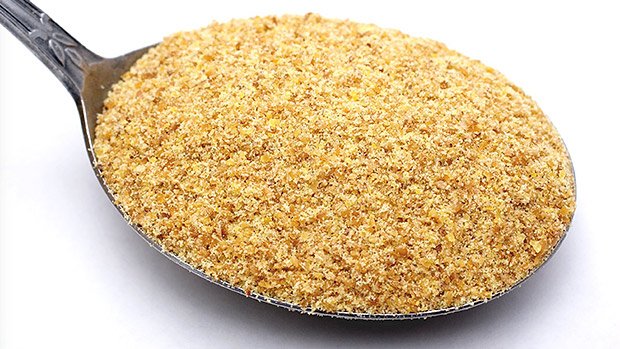
 Flaxseed: The Comeback Poor old flaxseed was once a rising star in the nutritional world. It was touted as being the highest non-ocean source of omega-3 fatty acids, so if you didn’t like to eat mackerel, herring, or oysters every day, flaxseed was your girl. But then people found out that flaxseed came with an omega-3 catch: It didn’t actually contain DHA or EPA, the omega-3s the human body needs. Instead, it contained alpha linolenic acid, which the body has to convert to DHA and EPA. That might not sound like a big deal, but it turns out the conversion process is kind of a heavy enzymatic lift for the body, so much so that only 10 to 15% of the linolenic acid gets converted into DHA and EPA (the rest is burned as energy). So flaxseed fell out of favor. It was left to molder on the shelves at Whole Foods, passed over for the younger and prettier chia seeds, but don’t worry, flaxseed isn’t vindictive like your ex. She’ll take you back, because that’s just the kind of big-hearted seed she is. And while she may not have the omega-3 horsepower of her fishy friends, adding a daily teaspoon or two to your diet could improve your health considerably in the following categories: 1. Cardiovascular Disease Flaxseed, at least in animal studies, has proven to be effective in slowing the build-up of plaque induced by high-cholesterol and high-fat diets, in addition to lowering circulating levels of trans fats. As far as human trials, flaxseed has been shown to significantly decrease systolic and diastolic blood pressure, so much so that it led to a prediction of a 50% decrease in the incidence of heart attack and stroke. 2. Diabetes Dietary flaxseed reduced blood glucose in people with Type 2 diabetes, along with lowering blood sugar in people with prediabetes. 3. Cancer A review of ten human trials led to the conclusion that flaxseed reduced the rate of tumor growth in women with breast cancer. Cancers of the prostate, lung, colon, ovary, endometrium, liver, and cervix have also been inhibited by flaxseed. 4. Skin Health Women involved in a 12-week, randomized study found that dietary flaxseed oil led to a significant decrease in trans-epidermal water loss, skin roughness, and scaling, with an increase in skin hydration and fullness. 5. Gastrointestinal Health Because of its high fiber content, flaxseed has shown a lot of promise in giving relief from constipation, in addition to reducing symptoms of irritable bowel syndrome (IBS). It also appears that it’s fermented in the gut and leads to the formation of short-chain fatty acids, which may favorably alter the microbial microenvironment. Forms of Flaxseed While we generally think of flaxseed in its whole-seed form, it’s also available in ground form, as flaxseed oil, and as partially defatted flaxseed meal. More recently, a “milk” form has entered the market to compete with almond and oatmeal milk. The latter iteration is fast gaining popularity as it contains no cholesterol or lactose, is suitable for people with soy, nut, or gluten allergies, and is more healthful than almond milk. I prefer the ground form, though, as it adds a slightly nutty flavor to foods. Crushing the outer seed also makes both the ALA and the ecoisolariciresinol diglucoside (SDG), flax’s predominant antioxidant polyphenol, more bioavailable. However, crushing the seed through grinding also exposes these chemicals to oxidation, so ground flaxseed needs to be kept in the freezer to preserve its magic. What are the Naysayers Going to Point Out? Every nutrient or food seems to have its detractors, and flaxseed is no exception. They’ll tell you that the protease inhibitors, phytic acids, linantine, and cyanogenic glycosides found in flax make it impossible or unlikely that the body will be able to absorb and benefit from it. They’re right in theory, but wrong in practice, as several studies have reported no deleterious effects from these flax components. Other party poops will complain about the cyanide formed in the gut when flax is ingested, like cyanide ever killed anybody. Okay, it has, but this isn’t an issue here. Taking one to two teaspoons of flax will result in about 5-10 mg. of hydrogen cyanide being manufactured, but the human body can easily detoxify up to 100 mg. of cynanide a day. Just keep your flax consumption down to less than a kilogram a day (2.2 pounds), which I wouldn’t think would be an issue. Just the Flax, Ma’am To reap the benefits of flaxseed, add a teaspoon or two a day to anything that might benefit from its texture or taste, from oatmeal to salad or yogurt to soups. Start slow, though, as your gut may rebel against such a big dose of fiber if it isn’t used to
Origin: Tip: Mix This Into Your Food to Get Super Healthy
Tag: Super
Tip: Could This Be the Next Super Supplement?
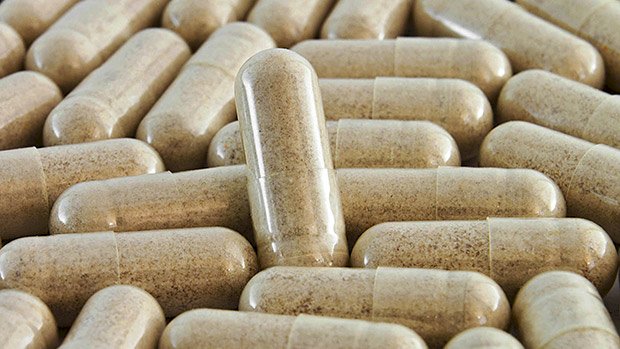 We know through written historical accounts that ancient people and not-so-ancient peoples often used plants and herbs to treat sickness. Through years of trial and error, they were able to figure out which plants had healing powers. What they’d probably stumbled on were plants that had high concentrations of certain natural phenolic compounds, which are more commonly referred to as polyphenols. Institutionalized medicine didn’t pay much attention to them, though, because the things these healers used just didn’t work well enough to inspire interest or confidence. No amount of vile-tasting herbal teas was going to fix diabetes, lower body fat, or prevent heart disease. But science has since been able to identify, extract, and concentrate these plant chemicals and use them in a way that would do all those ancient folk-medicine practitioners proud. Common examples of these polyphenols include resveratrol, green tea extract, quercetin, caffeic acid, anthocyanins like cyanidin 3-glucoside, and the current darling of the polyphenol world, curcumin. But a new player is ready to make its entrance and it might eventually rival curcumin in its accomplishments. It’s called fisetin, and its list of reported and purported benefits is pretty long. What Dose Fisetin Do? Like many polyphenols, fisetin seems to be a utility player, playing nutritional shortstop just as well as it plays nutritional right field. One problem, though – even though over 800 studies have been conducted on fisetin, only one of them involved humans. Most of what we know is based on experiments with mice and rats. Still, if some of the following benefits extend to humans, as they often do with polyphenols in general, then we might really have something: Reduces body fat:Mice gained 75% less weight when they were introduced to a high-calorie diet and given fisetin. The thinking is that fisetin may increase levels of the fat-burning hormone adipokinectin. Helps regulate blood sugar:Diabetic rats and mice fed fisetin experienced insulin and blood sugar levels compatible with healthy mice. Furthermore, it prevented sugar from bonding with proteins, a process known as glycation that contributes to a host of bad stuff like nerve damage, kidney disease, cataracts, and aging of tissues in general. Prevents the growth of various cancers:Like curcumin, fisetin seems to downright hate cancer, holding special grudges against colon, brain, lung, breast, ovarian, pancreatic, and brain cancers. It also seems to protect against prostate cancer by blocking the receptors for DHT. Improves memory and learning:Fisetin improved the memory retention and learning abilities of old rats. Protects your skin:Fisetin slowed the breakdown of collagen in cells exposed to ultraviolet light. Relieves depression and anxiety:Fisetin seems to increase levels of serotonin and noradrenaline, thereby improving mood. Helps ameliorate neurodegenerative diseases:Animal models of Alzheimer’s, Huntington’s, multiple sclerosis, or amyotrophic lateral sclerosis showed marked improvement in such aspects as memory, balance, coordination, and life span when fisetin was introduced. Lowers blood pressure:Fisetin dilates blood vessels, thereby allowing blood to flow through the pipes easier. Helps you handle booze better:Mice that partied too hard were able to process alcohol better. Combats Irritable bowel disease (IBS):When mice with the human equivalent of IBS were given fisetin, inflammation went way down. Fights aging in general:Fisetin seems to be a powerful “senolytic” in that it helps the aging body rid itself of senescent cells (cells that stopped dividing) that normally lead to inflammation and reduced lifespan if left to foster. How Does Fisetin Work? Like most polyphenols, fisetin is a powerful antioxidant, which explains or partly explains many of its effects. Secondly, it blocks an inflammatory switch known as NF-kB. Block this protein complex and you help thwart the evil plans of cancers, allergies, and autoimmune diseases. Fisetin also influences mTOR, a kinase that acts as kind of a cellular switch. Having higher levels of mTOR after a workout is a good thing as it helps you grow muscle, but having perpetually high mTOR levels is associated with a variety of diseases. Fisetin could be used to modulate mTOR levels to your advantage. Is Fisetin Safe? Fisetin, like most polyphenols, seems to only have better angels perched on its shoulders in that it doesn’t seem to have any negative side effects, even at high doses (at least in animal studies). Still, pregnant women and children should heed the usual warnings since we don’t yet know enough about the substance. The good news is that the Mayo Clinic is currently investigating fisetin in three separate studies involving diabetes, kidney disease, and frailty, so we should have more info on its safety and efficacy soon. What Foods Contain Fisetin? Of all foods analyzed for fisetin levels, strawberries contained the most, but
Origin: Tip: Could This Be the Next Super Supplement?
Tip: Do Fixation-Insertion Super Sets for Biceps
 In kinesiology, the origin of a muscle is what is fixated and the insertion is what moves. If you can superset movements that combine these two opposite functions, you stimulate muscle fibers at both ends and you get super compensation. Here’s a nasty super set for biceps: Do 4-6 reps of close-grip chin ups. Rest 8-10 seconds. Then do 8-10 reps of incline dumbbell curls. See photo below. Do five sets, resting approximately 2 minutes between sets. Here’s What’s Happening When you’re doing the chin-up, the origin is at the elbow and the insertion is at the shoulder. Then, when you do the incline dumbbell curls, it’s the opposite: the origin is at the shoulder and the insertion is at the elbow. Mechanically, you’re doing two extremes, and inducing fiber damage beyond
Origin: Tip: Do Fixation-Insertion Super Sets for Biceps
 All about sport xlsport.club