
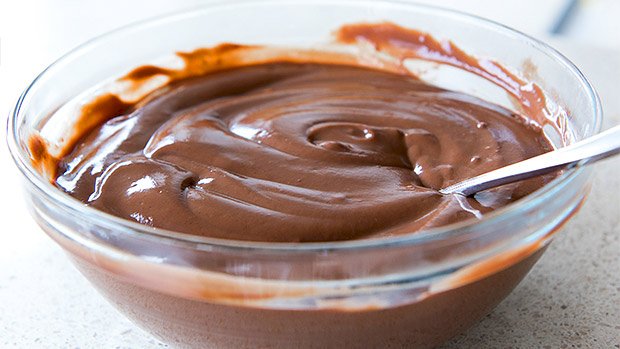
 Is Nighttime Eating Bad? Yes and, um, no. The devil is in the details, or in this case, the devil is in the macronutrient makeup of your pre-bed snacks. Previous studies on nighttime eating paint an ugly picture. Eating a late-night meal or big snack before bed leads to more fat gain. (See: The Meal That Damages Metabolism.) In short, fat metabolism is impaired. Eating more before bed (as opposed to earlier in the day) also raises insulin, fasting glucose, and triglyceride levels, which adds up to a negative metabolic profile (1). Even if those Netflix snacks fit into your caloric limits for the day, the body just doesn’t seem to “handle” those calories as well, which might lead to a disruption of your appetite-controlling hormones. But these studies were usually conducted using “average people food.” And the average person is chubby and makes really crappy food choices. So what happens if you switch out the carby or fatty snacks for pure protein? New research published in The Journal of Nutrition sheds some light. The Study Researchers gathered up a bunch of weight-training women for this study. In one experimental condition, the buff women consumed a casein-containing protein shake (30 grams of protein) during the day. In the second condition, they consumed the same protein shake 30 minutes before going to bed. The researchers dragged out all their fancy machines for this one and used various methods to measure overnight fat oxidation and subcutaneous abdominal adipose tissue (belly fat) metabolism. The Results The protein shake did not blunt overnight lipolysis (the breakdown of fats) and was not expected to increase subcutaneous abdominal fat (2). The lead scientist summarized by saying, “Essentially, you can eat protein before bed and not disturb fat metabolism.” Important Details The 30-gram protein shake did not contain a significant amount of fat or carbohydrate. So if you want to switch out your normal, metabolism-disrupting snack for a shake, be sure to use a low-carb protein powder that contains a lot of casein, preferable micellar casein like that found in Metabolic Drive® Protein®. The test subjects were resistance-trained women, though this should apply to men too. If you’re not lifting weights, this info may not apply. Try This Drinking a protein shake while watching TV at night doesn’t feel much like snacking. Here’s how to change that: Mix one or two scoops of Metabolic Drive® Protein into a very small amount of water or unsweetened almond milk. You want it to be very thick and creamy, like pudding or yogurt. Partially freeze your protein goop. About 15-30 minutes should do it. Eat it with a spoon. It’s damn close to pudding or soft-serve ice cream and feels a lot more “snacky” and satisfying than just chugging a shake.
Origin: Tip: Eat This Before Bed and Stay Lean
Tag: Stay
Tip: Take This to Stay Lean After Dieting
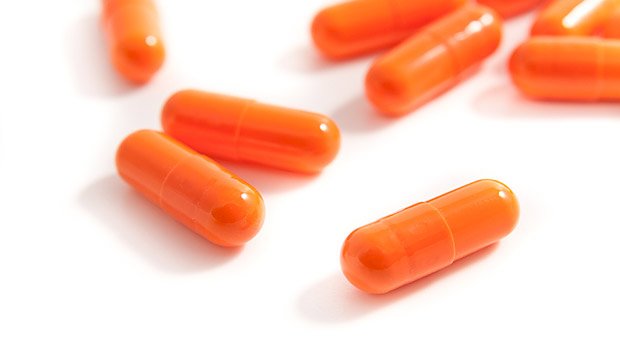 Being lean, really lean, is usually a transient state as all severely restrictive diets eventually come to an end. On one hand, the end of a diet is good. You get to laugh deliriously as ice cream dribbles down your chin. Plus, it gets easier to put on muscle. But the bad side is that your V-taper starts to soften, blur, and spread out until it’s kind of a U-taper, which really isn’t a taper at all. Recent research, though, suggests that taking curcumin after a calorie-restriction diet is over might limit the amount of fat you regain, even if for some reason you stop training, too. What They Did This was a rat study and before you say anything, rat studies are just fine, thank you. Their physiology is similar to ours and you can carefully monitor their every waking and sleeping moment because they live in cages with wheels and are housed in scientific institutions. You can’t do that stuff with humans. They’d object. And they’d probably turn their noses up at the exercise wheel and insist on one of those stupid, over-priced Peloton bikes where some virtual coach who’s likely impotent from riding so much browbeats you to pedal faster. Anyhow, scientists took rats and split them into two groups. One group was on a calorie restriction diet and had 24-hour access to one of those rat-iconic running wheels. The other group didn’t have a wheel and they got to eat as much as they wanted. After 3 weeks, the trained rats were divided into three groups. The first group was terminated immediately and the second and third groups had their running wheels locked and were reintroduced to ad libitum (as much as they want) feeding for a week. Additionally, one of these groups received a daily gavage (force feeding) of curcumin (200 mg/kg) while the other group received placebo. What They Found When the rats no longer got to exercise and were given as much as they wanted to eat, body mass naturally increased, accompanied by a 9 to 14-fold increase in epdidymal, perirneal, and inguinal adipose tissue. In other words, they got tubby in all the places one doesn’t want to get tubby in, but all of these increases were attenuated in the curcumin group. Furthermore, the curcumin-fed rats had a much more favorable insulin curve and much lower C-reactive protein (a measure of inflammation) than the non-curucmin group. The researchers concluded that, “…results indicate the curcumin has a protective effect against weight regain and impaired metabolic control following a successful period of weight loss through diet and exercise, perhaps via inhibition of glucocorticoid action and inflammation.” How to Use This Info Most people, upon cessation of a diet, probably don’t abruptly revert back to previous bad eating habits. Instead, they’d gradually relax their previously Spartan diet and slowly start to put the pounds back on until they woke up one morning and found that they’re not just pudgy again, but have a renewed sense of self-loathing. Even so, there’s ample reason to think that curcumin would work equally well in preventing post-diet fat gain in humans. Of course, the human evidence on this particular aspect of curcumin is largely unexplored, but empirically speaking at least, curcumin does seem to keep the pounds at bay. One eyebrow-raising aspect of the rat study was the amount of curcumin administered. The dosage was 200 mg/kg, which translates to 18,000 mg. for a 200-pound person. That’s about thirty-six 500-mg. capsules per day. An amount that large would cause your tears, sweat, urine, and feces to be colored a kind of initially pleasing but ultimately frightening Day-Glo orange. Don’t freak out, though. There’s an easy solution. Plain old unadulterated curcumin is notoriously hard to absorb for rats and humans alike, so the researchers had to overdose the rats to ensure they got a therapeutic dosage. If the researchers had instead added piperine (a black pepper derivative) to the curcumin, they could have increased absorption by up to 2,000 percent, thus negating the need for such humungous doses. In fact, you’d only have to take a couple of Biotest® curcumin/piperine capsules a day, which is quite a bit more manageable than 36 a
Origin: Tip: Take This to Stay Lean After Dieting
 All about sport xlsport.club