
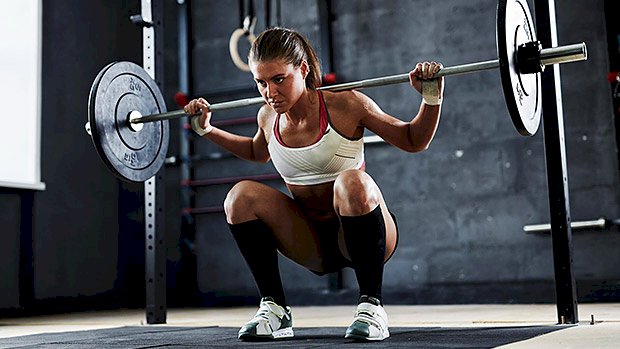
 Understanding how to get the most out of stored elastic energy in the muscle has helped lifters hit new PRs on their squats. But over-relying on a huge stretch reflex or “bounce” out of the bottom of your squat can also cause a loss of tightness at the bottom. This can lead to posterior pelvic tilt or “butt wink” – your hips rotating backward which causes rounding in your lower back. When this happens, your body goes too far forward, your butt shoots back, and you end up with an awkward squat that looks more like you’re twerking than actually squatting. You may get away with this for a while, but eventually your back will have had enough and you’ll get injured. Not sure what I’m talking about? Here’s what this looks like: Back Squat – Losing Tightness Front Squat – Losing Tightness To save your back, do paused reps. This will increase your static strength from the bottom of the squat since you’ll no longer be able to generate a stretch reflex to rebound from the bottom. Paused Back Squat Paused Front Squat Pausing will strengthen your core and hips by increasing your time under tension (TUT) under the bar. Paused reps also help you learn a good bar path –your body will naturally find the most efficient way to keep the bar over your center of gravity. Finding the Right Depth Find out where you should pause by having someone film you performing light reps from a side view. Go into a full squat and watch the point at which your hips start to rotate back and you see a slight rounding of the lower back. Aim to pause right before this
Origin: Tip: Pause Squats for a Healthier Spine
Tag: Squats
Tip: Do This Before Heavy Squats
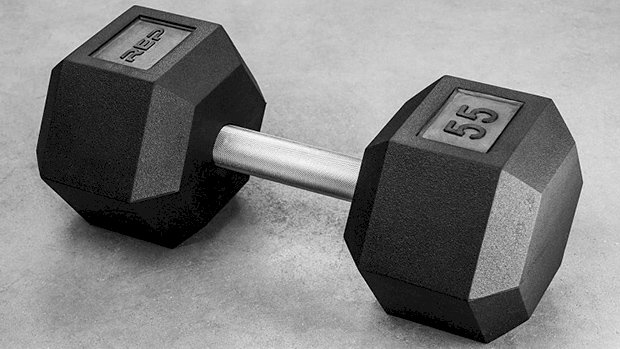 This exercise fires up the CNS and recruits a ton of muscle fibers. It’s a great primer exercise that’ll prepare any lifter for a big squat session. The Goblet Jump Squat The most common types of jump squats come with their own set of problems that you won’t have with this version: The barbell jump squat often results in compromised mechanics because of the bar that lands on the spine, which can cause the knees to cave at the bottom of the rep. Even landing properly with a barbell on your back leads to unnecessary stress with each jump. Holding the dumbbells by your side is the most common dumbbell squat jump but it comes with some problems. When you hold the dumbbells by your sides you end up internally rotating your legs to provide room for the dumbbells. Then the knees cave in slightly at the bottom of each rep. This becomes an even bigger issue as you progress to heavier (larger) dumbbells. The Goblet Jump Squat is Better You could load goblet jump squats with any size dumbbell without compromising your mechanics. The front-loading also takes stress off the spine. Weighted jumps are crucial for explosive athletes. Try 3 sets of 5 before your next leg
Origin: Tip: Do This Before Heavy Squats
Tip: Do This Medball Exercise Before Squats
 Doing an explosive exercise prior to lifting fires up your CNS and gets your body physically ready to lift hard and heavy. Olympic lifting variations are often used, but here’s one that almost anyone can do: the medball thruster. This exercise works great before squatting. Make sure you drive your knees out as you squat down. Utilize the stretch reflex (the bounce you feel at the bottom of the squat) to rocket your body back into a standing position. Once you reach this standing position, continue to explode up while forcefully extending the
Origin: Tip: Do This Medball Exercise Before Squats
Tip: Do These Stretches After Squats
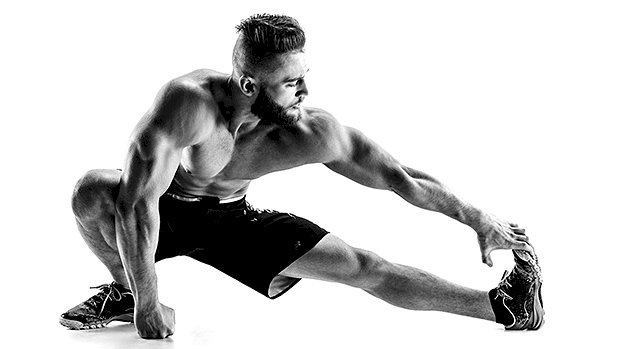 Save your stretching for post-workout. This is when you want to hold stretches for a longer period of time while your muscles are still warm and receptive. These will help get rid of the kinks in your glutes and help prevent those kinks from cropping up again. Glutes and Hips This is called the standing pigeon stretch. Place one leg across a box at a 90 degree angle. Press your opposite hip forward and rotate the hip that’s on the box backward. Hips and Hip Flexors Do the lizard lunge with external rotation. Place one foot in front of you so that your knee is behind your shin. Extend your opposite leg behind you. Roll to the outside of your foot and press your knee away from your body. Hips and Thoracic Spine Do the squat hold with a reach back. Keeping your heels flat, squat down as deep as you can comfortably hold. While keeping you heels flat, reach one arm up as you try to touch your bicep to your ear. Ankles and Calves Place a resistance band around your ankle and loop the other end around a fixture. Keep your heel flat as you push your knee forward so that it goes past your toes. The band will pull your shin backwards, creating a stretch in your
Origin: Tip: Do These Stretches After Squats
 All about sport xlsport.club