
 One of the things that separate the wolves from the sheep in the iron game is back development. A guy who puts in years grinding away on his upper back and lats will end up with a physique that ultimately blows away the one developed by the dude who’s just pressing, flying, and curling his way to mediocrity. So if you’re looking for more to do on back day, add this finisher to the mix. Just do ONE set at the end of your normal back workout. Pulldown Drop Set for Maximum Gains This is an efficient mechanical drop set requiring only a high pulley and a rope attachment. You won’t even have to change the weight. Do the following: Straight-Arm Pulldown:12-15 reps to failure (upright position) Straight-Arm Pulldown:max reps (bent over position) Bent-Over “J” Pulldown:max reps Hybrid Motorcycle Row/Face Pull:max reps Bent-Over Lat Pulldown:max reps Take no rest between exercises. This protocol has a nice flow to it and you’ll appreciate the
Origin: Tip: Pull Your Way to Growth
Tag: Pull
Tip: Pull Before You Push and Pull More Often
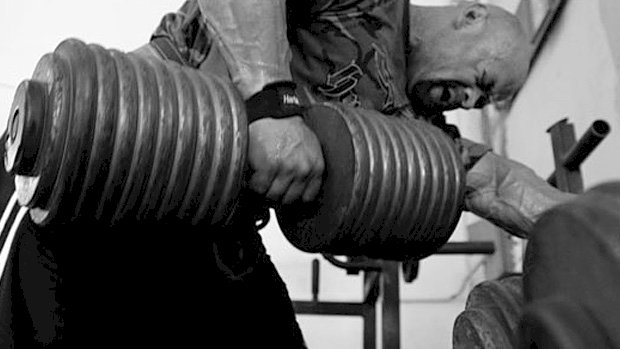 You need to keep a balance between pulling exercises (rows, pull-ups etc.) and pushing exercises (bench press etc.) If you don’t pay attention to that balance, you’re setting yourself up for bad posture, muscle tightness, and even joint pain. Train Your Back More People usually remember to get their back workout in to counter their chest or shoulder workout they did earlier in the week. But it doesn’t end there. Not even close. Due to our lifestyles, a 1:1 ratio isn’t enough when it comes to creating and promoting – and in many cases, restoring – balance among the muscles. It means training the back more frequently, with more volume, and for higher rep ranges than we generally do with our anterior muscles. Pull Before You Push There’s more. When you do an upper body workout that contains both front and back side muscle groups, program the pull exercises first, before doing the push exercises. Why? Scapular stability. Doing your pull-ups before doing your overhead presses, or your rows before bench presses, will create a much more stable shoulder environment for the second of the two exercises. Your rotator cuff muscles attach to your scapulae, and increasing blood flow and tightness to that region will do plenty to give the shoulder joint enough support to steer clear of unwanted injuries or general instability. It also means pain-free pressing. Even if you’re doing a straight pressing workout, prime the shoulders to bear load by stabilizing them with a couple of high-rep sets of rows of any variation, using any means of resistance – dumbbells, cables, or even bands. The goal is just to get the upper back to start feeling a mild pump and get activated. Pull Day Before Push Day Program a pull day before a push day in your weekly program cycle. If you’re already training back (or pull exercises) more than once weekly, just make sure at least ONE of those pull workouts is programmed before your major pressing workout. Tough workouts can produce DOMS (delayed onset muscle soreness), which can decrease range of motion or flexibility of the muscles. Take advantage of that restriction by getting the upper back muscles mildly sore before a chest workout. This won’t affect your chest or pushing work. The ROM inhibition can have the same effect on shoulder stability specific to heavy
Origin: Tip: Pull Before You Push and Pull More Often
 All about sport xlsport.club