
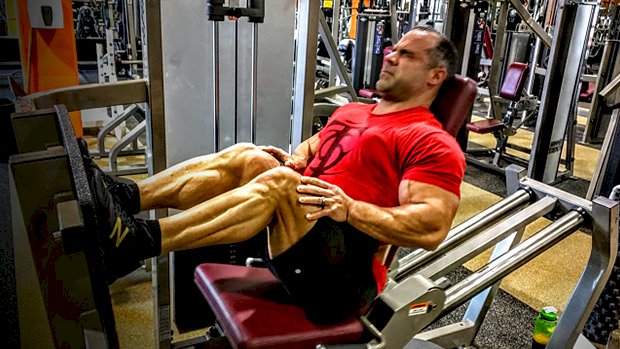
 Most commonly, this training split involves 4 workouts a week with each session dedicated to upper and lower-body training in alternating succession, like this: Monday:Upper Body Tuesday:Lower Body Thursday:Upper Body Friday:Lower Body Pros For most lifters, training each muscle group twice a week is much more effective than only once. Many lifters enjoy the ability to give focused attention to a specific body region for an entire workout. Cons Twice a week may be less than optimal – especially for average to smaller guys who aren’t yet in the 1200 club (300 bench, 400 squat, 500 deadlift). Overall, this is a descent split, but there may be an even better way of organizing your training for the week. Check it out here: The Hybrid
Origin: Tip: The Upper/Lower Split: Pros and Cons
Tag: Pros
7 Pros, One Controversial Question
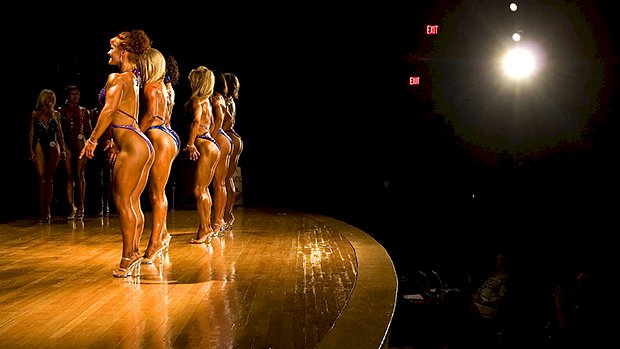 We asked some of our T Nation pros this question: Would you want your child to compete in a physique competition (bodybuilding, figure, bikini, etc.)? Here’s what they had to say. Mark Dugdale – IFBB Pro As a father to three teenage daughters I would certainly not pressure them to compete in a physique competition. If they expressed an interest I’d be more concerned about their hearts. I’d want to know the motive compelling them to compete. There is little financial reward in physique competitions, particularly for women who aren’t willing to sell themselves salaciously on social media and elsewhere. If I felt garnering that kind of attention was their motive, I’d encourage them to consider a different pursuit. — Mark Dugdale Dr. Lonnie Lowery – Exercise Physiologist and Nutritionist I’ve wrestled with this question in the past. I have a son and I’m a former competitive bodybuilder, not just a one-timer, so I’ll focus on these particulars. My son, now 20, grew up in a household that was pretty balanced regarding fitness. Barbells are good things. Strength and muscle mass are empowering. Appreciation of healthy foods enriches life in a way most of the population simply doesn’t grasp. On the other hand, I didn’t want him in the kind of environment to which I was sometimes exposed as a competitive bodybuilder or as a back stage attendee at big events. Extreme calorie counting, eating disorders, full blown celebrations in the house over just being allowed to eat a tablespoon of peanut butter (true story), endocrine damage, unbalanced narcissism – and occasionally at competitions even recreational drugs and overt deviance. I didn’t even encourage him to attend my bodybuilding competitions, although he was welcome to. Before I get hate mail for being seemingly hypocritical – I do love bodybuilding – it’s just important to understand that I’ve seen some sketchy, damaging, and deviant stuff on its periphery. I know several journalists and organizers who share my view. Each has some mind-numbing tales, stories that may be more extreme at high-levels in the sport. There seems to be a fine line between dedication and obsession in physique competition. I’ve been guilty of drifting into self-destructive “warrior mode” more than a few times in my career. I bet many readers can relate. The flip side of the dark underbelly is of course the discipline and courage to stand out that physique competitions can develop. These are the lessons any young person should be exposed to: The daily act of “punching the clock” during those early morning or evening workouts when most people are comfy on the couch. The delayed gratification of a 20-week diet. Pouring your heart into something meaningful. Dismissing the naysayers. And all this for just a few minutes on stage. In many ways it’s more of a total lifestyle commitment than other sports. Anything worthwhile in life comes with commitment and sacrifice. So I can only offer the “middle path” as an answer to this question, especially if the entry into competition would lead to further competitions. If there’s a genuine calling to the sport and a seasoned guide who can keep the focus on the positivity and purity of what bodybuilding can be – then yes, I would want it for my boy. But without a little idealism, balance, and a voice of reason at his back, I’d have to say no. — Dr. Lonnie Lowery Paul Carter – Strength and Bodybuilding Coach I’d be okay with it because my middle daughter is, in fact, my training partner. I’d be able to help her with training, diet, and mental preparation. I already do my best to help her understand good nutritional choices without becoming obsessive about it. But there are plenty of women who compete and end up developing eating disorders or unhealthy relationships with food as a result. I’d also be there to help her understand that while it is a competition, it’s a subjective one. And that her placing isn’t a representation of the amount of work she had to put in to prepare for it. She can’t control the judging, but she can control how hard she works and how disciplined she has to be in order to be her very best. This is really the most important part about competing in any subjective sport like physique competitions, but also how we should be applying ourselves to virtually everything in life. The point is giving her best effort to succeed, even if the manifestation of that success doesn’t come by way of plastic trophies. Like with anything we immerse ourselves in, there can be valuable lessons learned in preparation for a physique competition, and it can teach you a lot about yourself. So yes, I’d be perfectly fine it. — Paul Carter TC Luoma – T Nation Editor No. God no. This question makes me think of a line from Breakfast of Champions, a Kurt Vonnegut novel. One of the characters has a daughter who he’s encouraging to be an Olympic swimmer, prompting the narrator to ask, “What kind of a man would turn his daughter into an outboard
Origin: 7 Pros, One Controversial Question
Tip: Pros and Cons of the Bro-Split
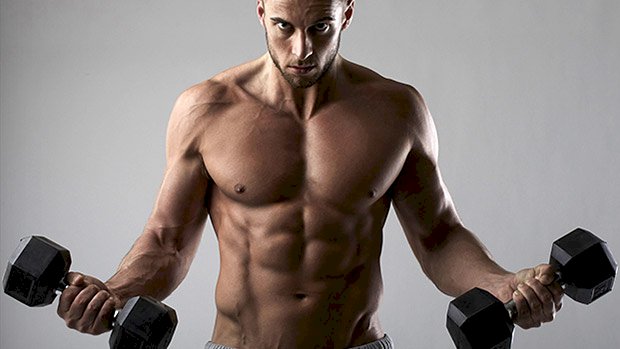 Most popular among bodybuilders, the bro-split involves devoting each workout to 1-2 muscle groups, such as: Monday:Back Tuesday:Chest Wednesday:Legs Thursday:Shoulders/Calves Friday:Biceps/Triceps Pros If you’re already huge and strong, your muscles will take between 4-6 days to recover from training. Therefore, training each muscle group once a week is likely ideal. You get to train 5 days a week, which many lifters enjoy. Many lifters enjoy the idea of dedicating an entire workout to a specific muscle/muscle group. The bro split has lots of benefits! Problem is, those benefits are usually offset by a very pesky drawback: Cons If you’re not huge and super-strong, your muscles will take between 1-3 days to recover from training. Therefore training each muscle group once a week is probably not frequent enough, and you’ll lose ground between sessions. Is there a better training split? I like a hybrid split. A hybrid split incorporates both whole-body days as well as upper and lower days into a 4-day training week. Check it out here: The Hybrid
Origin: Tip: Pros and Cons of the Bro-Split
5 Things Natural Lifters Can Learn From Pros
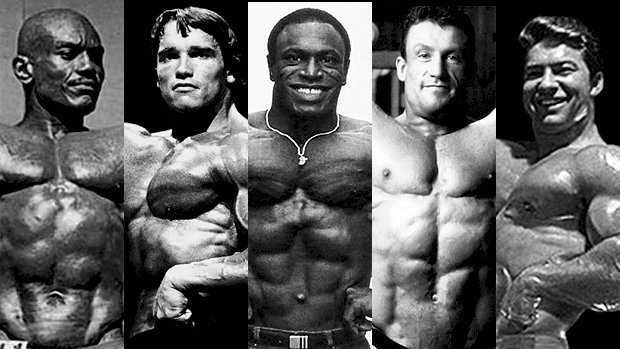 Should You Train Like a Pro Bodybuilder? Yes… and no. Blindly following the training of top bodybuilders might not work well for an average person training naturally. The physiology of both types of athletes just isn’t the same: Bodybuilders that use performance enhancing drugs have an elevated level of protein synthesis. Not so with natural lifters. The natural guy has to trigger protein synthesis with his workout, while the enhanced bodybuilder uses his workout mostly to drive nutrients to the muscles to take advantage of the elevated protein synthesis. The high level of anabolic hormones used by the pros can counterbalance an excessive increase in cortisol. In the natural bodybuilder, excessive cortisol release will not only kill protein synthesis, but will also trigger the expression of the myostatin gene, either of which will halt any possible muscle growth. Anabolic steroids increase glycogen storage and thus negate or prevent glycogen depletion. Glycogen depletion in itself is very catabolic and natural trainees are more at risk. Because of these differences, enhanced bodybuilders (especially if they have good genetics on top of all that) can tolerate more volume and can respond better to lighter “pump” work. They can also train a body part less frequently. But despite these differences, the top bodybuilders often come up with important parts of the muscle growth puzzle, and these elements can and should be used by natural lifters. Here’s what you can take away from some of the top Mr. Olympia champions: 1 – Larry Scott, Training Density Scott was the pupil of the great Vince Gironda, a man who was decades ahead of his time. Both Gironda and Scott were true thinkers and tinkerers, inventing several variations of exercises to make them more effective at isolating the desired muscle. However, their most important contribution was the emphasis on training density – doing hard work with very short rest periods. Having a high density of training (short rest periods) while still lifting heavy is one of the most powerful growth triggers. That’s one of the reasons why I like clusters, multi-rep clusters (2-2-2-2-2-2 or 3-3-3-3-3-3) and rest/pause sets. At first your performance will drop, but you can train yourself to be more resilient and stay strong even with short rests. The benefits of high density training (while staying with reasonably heavy weights) are mostly in the body composition department – it will help you get leaner while adding on muscle. The benefits to the cardiovascular system are also important, since good health is actually the cornerstone of muscle growth and fat loss. If you want to make crops grow, you can have the best fertilizers and use the best farming methods, but if the soil is poor you’ll have lousy growth. It’s the same with muscle. A healthier body will progress faster. As an example, adding muscle (naturally) without a healthy cardiovascular system to support it is virtually impossible because the added muscle poses a threat to survival! 2 – Sergio Oliva, Explosive Lifting Before being the first truly freaky bodybuilder, Oliva was an international level Olympic lifter for Cuba. His upper back and forearms can certainly attest to that. Much of his physical foundation was built on the Olympic lifts and heavy pulls. While you might not have to learn the Olympic lifts to benefit from them, explosive pulls like snatch-grip high pulls, push presses, and heavy Olympic deadlifts will really help a natural lifter build a thick back and shoulders. Other great bodybuilders enjoyed doing the Olympic lifts from time to time, Robbie Robinson and Mike Mentzer being two of them. The benefit of explosive pulls is an improved neural efficiency that will translate into better/earlier fast twitch muscle fiber recruitment. If you develop the capacity to recruit the fast twitch fibers earlier in the set, it means that you’ll fatigue/stimulate them sooner and with fewer reps. Additionally, you’ll burn less glycogen to get the job done. That means more glycogen for more growth. On a side note, the more efficient you are at recruiting the fast twitch fibers, the fewer reps you can do at a given percentage of your max. But that isn’t a bad thing. Quite the contrary! It simply means that by being better at hitting the money fibers, you provide the same stimulation without causing as much fatigue (glycogen and neurotransmitter depletion). These big explosive lifts also have the benefit of increasing muscle hardness and density. 3 – Arnold Schwarzenegger, Training Frequency Arnold was known for burying his training partners. He’s one of the rare exceptions that possessed an extremely resilient nervous system and a fiber type that allowed him to be really strong, yet have amazing set-to-set endurance. He also had a pain threshold second to none. Arnold was one of the rare people who could hit failure on 2 or 3 sets of an exercise and then proceed to make his fifth set the best one. He
Origin: 5 Things Natural Lifters Can Learn From Pros
7 Pros, One Controversial Question
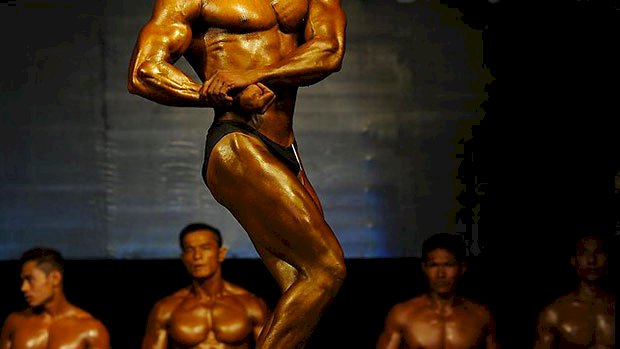 We asked some of our T Nation pros this question: Would you want your child to compete in a physique competition (bodybuilding, figure, bikini, etc.)? Here’s what they had to say. Mark Dugdale – IFBB Pro As a father to three teenage daughters I would certainly not pressure them to compete in a physique competition. If they expressed an interest I’d be more concerned about their hearts. I’d want to know the motive compelling them to compete. There is little financial reward in physique competitions, particularly for women who aren’t willing to sell themselves salaciously on social media and elsewhere. If I felt garnering that kind of attention was their motive, I’d encourage them to consider a different pursuit. — Mark Dugdale Dr. Lonnie Lowery – Exercise Physiologist and Nutritionist I’ve wrestled with this question in the past. I have a son and I’m a former competitive bodybuilder, not just a one-timer, so I’ll focus on these particulars. My son, now 20, grew up in a household that was pretty balanced regarding fitness. Barbells are good things. Strength and muscle mass are empowering. Appreciation of healthy foods enriches life in a way most of the population simply doesn’t grasp. On the other hand, I didn’t want him in the kind of environment to which I was sometimes exposed as a competitive bodybuilder or as a back stage attendee at big events. Extreme calorie counting, eating disorders, full blown celebrations in the house over just being allowed to eat a tablespoon of peanut butter (true story), endocrine damage, unbalanced narcissism – and occasionally at competitions even recreational drugs and overt deviance. I didn’t even encourage him to attend my bodybuilding competitions, although he was welcome to. Before I get hate mail for being seemingly hypocritical – I do love bodybuilding – it’s just important to understand that I’ve seen some sketchy, damaging, and deviant stuff on its periphery. I know several journalists and organizers who share my view. Each has some mind-numbing tales, stories that may be more extreme at high-levels in the sport. There seems to be a fine line between dedication and obsession in physique competition. I’ve been guilty of drifting into self-destructive “warrior mode” more than a few times in my career. I bet many readers can relate. The flip side of the dark underbelly is of course the discipline and courage to stand out that physique competitions can develop. These are the lessons any young person should be exposed to: The daily act of “punching the clock” during those early morning or evening workouts when most people are comfy on the couch. The delayed gratification of a 20-week diet. Pouring your heart into something meaningful. Dismissing the naysayers. And all this for just a few minutes on stage. In many ways it’s more of a total lifestyle commitment than other sports. Anything worthwhile in life comes with commitment and sacrifice. So I can only offer the “middle path” as an answer to this question, especially if the entry into competition would lead to further competitions. If there’s a genuine calling to the sport and a seasoned guide who can keep the focus on the positivity and purity of what bodybuilding can be – then yes, I would want it for my boy. But without a little idealism, balance, and a voice of reason at his back, I’d have to say no. — Dr. Lonnie Lowery Paul Carter – Strength and Bodybuilding Coach I’d be okay with it because my middle daughter is, in fact, my training partner. I’d be able to help her with training, diet, and mental preparation. I already do my best to help her understand good nutritional choices without becoming obsessive about it. But there are plenty of women who compete and end up developing eating disorders or unhealthy relationships with food as a result. I’d also be there to help her understand that while it is a competition, it’s a subjective one. And that her placing isn’t a representation of the amount of work she had to put in to prepare for it. She can’t control the judging, but she can control how hard she works and how disciplined she has to be in order to be her very best. This is really the most important part about competing in any subjective sport like physique competitions, but also how we should be applying ourselves to virtually everything in life. The point is giving her best effort to succeed, even if the manifestation of that success doesn’t come by way of plastic trophies. Like with anything we immerse ourselves in, there can be valuable lessons learned in preparation for a physique competition, and it can teach you a lot about yourself. So yes, I’d be perfectly fine it. — Paul Carter TC Luoma – T Nation Editor No. God no. This question makes me think of a line from Breakfast of Champions, a Kurt Vonnegut novel. One of the characters has a daughter who he’s encouraging to be an Olympic swimmer, prompting the narrator to ask, “What kind of a man would turn his daughter into an outboard
Origin: 7 Pros, One Controversial Question
 All about sport xlsport.club