
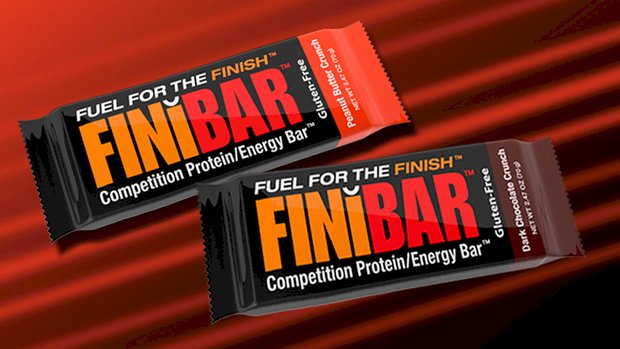
 How Was That Possible?! Working at T Nation headquarters in Colorado has a lot of advantages. First, I get to use the private T Nation gym. Pretty sweet. Second, I get to work from the same building as our sister company, Biotest Labs. A while back, Biotest received a big delivery of product – a huge pallet of Finibars in unmarked white wrappers. In case you don’t know, good supplements companies do what are called “pilot runs” of their products to test for things like flavor and texture and make sure everything is up to snuff before they produce millions of them. The pilot run turned out great and production was cranked up. But that big pallet of Finibars, cases of them left over from testing, was just sitting there… right outside my office. Naturally, I started to grab one here and there. Then I grabbed another couple. And maybe a couple more. Sometimes I’d stack a dark chocolate crunch bar with a peanut butter crunch bar, stick them in the microwave for 10 seconds, and eat them like giant, high-performance Reese’s Peanut Butter Cups. Now, if you’re a fan of Finibars, then you’re probably saying, “Um, hey Chris, those bar are designed to be eaten before hard workouts and athletic competitions. They aren’t snacks!” Yeah, I know. And I still worked my way up to eating five of them every day: one before training and four more spread throughout the day or as a lunch replacement. I fully expected to gain some body fat. But, weirdly, I didn’t. The only thing I noticed was having the best workouts of my life and muscular pumps so tight they were almost painful. So I decided to take a closer look at the ingredients of Finibars and figure out what was going on. Protein and Functional Carbs Aside from 16 grams of protein – a blend of high-quality whey protein isolate and milk protein isolate, not cheap soy like most food bars – Finibars contain 39 to 40 grams of carbohydrate. That’s what initially had me worried. I was a low-carb guy at one time. I’m not anymore, but those carbs scared me a little, given the number of bars I was scarfing down. Turns out, instead of being primarily made out of syrup and cheap sugars like most “energy” bars, Finibars contain isomaltulose as the primary carbohydrate. It’s truly a “functional” carb, and not just because it can do squats while standing on an exercise ball. Isomaltulose is derived from beets, but the molecules have been enzymatically rearranged to create a carbohydrate that’s fully digested and fully absorbed — but much, much slower than regular, non-functional carbs. That’s how Finibars sustain your energy for competition or long/intense workouts. Also, isomaltulose induces a very low blood sugar response. As such, the body releases a very small amount of insulin, which prompts the body to burn stored fat for energy production. Yes, that means these bars actually promote fat burning and improve metabolism. That explains how I was able to eat so many of them and stay lean. Isomaltulose is a functional carb source that causes the body to oxidize fat at a greater rate, which is one of the ways it improves endurance and athletic performance. What’s more, studies – randomized, double-blind, controlled cross-over studies – show that cyclists were able to improve their time trial tests by over a minute when using isomaltulose – the difference between winning gold and going home with just the free T-shirt (1). Fuel for the Finish Finibars weren’t made because Biotest wanted a piece of the nutrition bar market. No, it happened organically. An Olympic cyclist we were working with said she needed a bar that fueled her competitions and helped her stay hydrated without upsetting her stomach. Finibars were designed just for her and not sold to the general pubic at first. Later they were tested with every type of athlete, from ultra-marathoners to pro bodybuilders and NFL football players (who would eat them before games and during halftime). Actor Bradley Cooper would eat them before and after his brutal workouts to prepare for his role in American Sniper. Finibars also provide anti-catabolic protection (very important for natural lifters and athletes) and something called “superhydration.” They help pull water into muscle – when consumed with fluids of course – for a superhydration effect, which is critical for supporting and sustaining high-level performance. And unlike a grocery store “energy bar,” which can upset your stomach during training and sports, Finibars soothe the digestive tract. As a bonus, they’re wheat free and gluten free. Who Should Use Finibars? Lifters and bodybuilders who train intensively (and love a good pump) Combat-sport athletes and fighters Runners and obstacle racers CrossFit athletes Military personal Hikers Anyone who trains their butt off And while you won’t find this on the label or on the store page, I think Finibars make a great anytime snack or meal replacement. Hey, life is a competition. Fuel up and win it. To Sum Up,
Origin: The Next Generation Nutrition Bar
Tag: Nutrition
Question of Nutrition 11
 Is HGH Worth It? Q: For middle-aged men, is human growth hormone worth the price as an anti-aging or longevity treatment? Is there any way to naturally boost GH? A: This is a great question and currently I’m torn on its use. I’ve prescribed HGH very sparingly in my career, but have enough data to tell you I find its benefit inconsistent in the general population. I don’t use this medication off label, so I can’t give you objective feedback on the use in bodybuilders. I have used it in a couple of elite CrossFit athletes for a time to help speed healing from injuries. Even in this regard, it’s hard to pinpoint if HGH was the major driver of results since I was doing several other interventions as well. At this time, it’s not something I feel too excited about in terms of delivering all of those fountain of youth effects we hear so much about. Human growth hormone levels can also be raised naturally. Quantity and quality sleep, adequate protein, and high volume weight training (the kind that gets the muscles burning and generates that pump) are what I’m talking about. The strain-inducing heavy loads do it as well, but that type of training leans a bit more towards testosterone generation. Start with eight hours of sleep per night. Go to bed by 10:00 and wake early. Take in 30-40% of daily calories as protein, sticking to a smart training cycle with adequate rest and recovery. These are the best proven ways to raise HGH naturally. I’m currently exploring the use of injectable peptides like Ipamorelin in my clinic. Several of my physician colleagues have been reporting good success. This peptide is a GH releasing hormone. You also may want to consider arginine and citrulline supplementation. There’s some indication these MAY have the potential to boost GH. A good starting dose is 5-10g arginine or 3g citrulline each day. One study in 2008 (PMID: 18090659) showed arginine supplementation can boost HGH by 100%. Exercise spiked it 300-500%. I bring this up because supplements always seem to be the way we’d like to do things, yet lifestyle factors often outperform them. One odd finding was that the combination of exercise and arginine supplementation was not synergistic and seemed to blunt the exercise effect to some degree, only enhancing GH by 200%. Who knows what that means for us as individuals. Perhaps on days you’re not in the gym, try the arginine, and days you’re hitting it hard, don’t bother. The Night Eating Habit Q: Is there a scientific reason to avoid snacking right up until bedtime? A: There is. That being said, we have to be careful using research to guide our individual decisions regarding diet and exercise. Remember, research is a tool for averages not individuals. What this means is that scientific “evidence” is going to work for most people, but not all. Spend just one week in a weight loss clinic and you’ll see the futility of using research as the sole guiding influence in your recommendations. You should let research refine your approach, not define it. The individual (you), needs to be the ultimate consideration. By the way, the very fact you’re having a hard time doing the thing may be an indication it’s not a good fit for your metabolic uniqueness, psychological tendencies, and personal preferences. And, at the same time, we all know that very often habitual eating patterns can be retrained and have substantial benefit. Here are a few tips to make this approach work better for you: Let’s say you’re going to eat your last meal at 5:30. If you go to bed around 11:00 you’ll be close to six hours without food. That could mean a late-night burger run for many people. Think about the types of meals that satisfy and satiate the most and the longest. These meals are usually mixed with plenty of protein, fat, and starch. Like the aforementioned burger. Duplicating that type of meal is a good start. A ribeye (plenty of fat and protein), a large baked potato (keep it bland) and a few cups of broccoli are a great start. You also may want to consider the use of a “post load.” Many know the idea of using a preload – having a protein shake before a meal to preempt overeating. The post load is the same idea except applied after the meal if there’s still an itch for a taste of something else. Make plans to do something with your hands and attend to any oral fixation. Some of our eating behaviors are tied to other late-night behaviors like TV watching. Use a relaxing herbal tea, sparkling water, or some other low-calorie beverage to attend to this. Finally, go to bed earlier. This approach is going to work far better if your eating time has been circumvented by your sleeping time. Low Carb, Low Bowel Movements Q: Every time I try a low carb diet, I stop pooping. Is there any way to make this diet work for someone like me? A: This is not an uncommon occurrence with the low carb diet. It’s thought to be related to a change in bacterial populations, a reduction in fiber, a change in enzymatic
Origin: Question of Nutrition 11
Question of Nutrition 10
 Meal Frequency Confusion Q: Some diet experts say that having six small meals a day is outdated. Many recommend three (or fewer) meals instead. But what if I feel uncomfortably stuffed when trying to cram all my calories into three meals? Is there any harm in continuing to eat smaller, more frequent meals if I’m not gaining fat from it? A: I understand your frustration. This industry seems to constantly be stuck in a never-ending cycle of black and white advice. One minute something is in vogue and the next it’s not. I will tell you definitely and without hesitation that eating small frequent meals is NOT outdated and is a fantastic strategy for many people. Part of the reason you’re getting the message to avoid small frequent meals is a newfound appreciation for less-frequent eating. We now have plenty of substantial research telling us that there are many different eating regimes that work and have benefits. A quick perusal of the last several years of research will reveal that one meal a day (OMAD) style of eating can work great for some. Different time restricted feeding schedules such as the 16/8 approach – which involves fasting for 16 hours a day by avoiding breakfast – can deliver great results. A more recent study showed skipping dinner may be superior to skipping breakfast. Varied fasting regimes, like the 5-2 plan, where you eat normal during the weekdays and then consume little to no food on the weekends, can be beneficial. All of these studies have created excitement. New information typically generates a novelty bias for a bit. It’s common to overemphasize the new and underappreciate the old, but it doesn’t make a whole lot of sense since new things haven’t been tested by time. Usually, the tried and true is better than the fresh and new. I address all of this to hopefully help allay your concerns and clear some confusion. The current consensus in the nutrition research is still that calories matter most. Sure, we now know hormonal influence are working with calories to impact things like hunger, mood, cravings, and energy, but in the end we must attend to the calorie levels of the individual diets we choose. There are two things required for sustained fat loss: A calorie deficit Metabolic hormonal balance The calories drive the weight loss and the hormones push that weight loss towards fat loss and sustainability. You need both. Quality and quantity are equally important. It’s impossible to separate the two. The question of eating frequency comes down to the individual. We’re all different. We’re unique in our genetics, psychology, and personal preferences. We should honor that. What all that research above says is, there’s more than one way to skin the calorie and hormone cat. Ultimately, it’s about finding what works for you. Try telling the bodybuilding world from 1960 to 2000 that small frequent meals weren’t ideal. You’d be laughed at and mocked. The small frequent meal approach works fantastically well, but it’s not the only way. Some people do better with different eating frequencies. My advice? Keep doing exactly what you’re doing so long as that regime keeps these things in check: sleep, hunger, mood, energy, cravings (SHMEC), and so long as you’re attaining or maintaining your desired body composition. Why would you change? One final hint here. The metabolism is an adaptive system. You want to keep it flexible and healthy. You can do that by keeping it guessing and changing up your eating frequency at times. So, you may benefit even more if, from time to time, you experiment with less frequent eating. It’s the same for those less frequent eaters. They’re far better off deviating occasionally to a more frequent eating pattern. In the end, you should always return to what works best for you. Remember, research is a tool for averages not individuals. The research can get you in the ballpark, but you’ll need to tweak and adjust to get it just right for you. Clomid for Boosting Test? Q: Steroid-using bodybuilders use the drug clomid, an anti-estrogen, to help restore testicular function after a cycle, but I’ve heard of doctors prescribing it as a form of TRT – to boost natural T levels. Does that work? A: It absolutely works and works incredibly well. There are more than a couple studies showing its benefit. I now consider it my first line therapy for low testosterone after trying to correct with diet and exercise. I used to suggest HCG for this, but clomid is cheaper and more effective – it raises T and has a nice effect on the estrogen to testosterone ratio, where HCG may worsen that ratio in some. It also has a very good safety record with virtually no negative side effects reported in studies and no negative impact on PSA and hematocrit levels. Clomid is cheaper than either HCG or testosterone. The typical dose is 12.5 to 50mg per day. I usually start my patients at 25mg per day and then retest all blood values after 6 weeks, adjusting dosing as needed. One caveat:
Origin: Question of Nutrition 10
Question of Nutrition 9
 Wrecked Metabolism? Q: Some people say really strict diets – like the ones you do for bodybuilding competition prep – will wreck your metabolism. Is that true? And if so, how do you fix this issue? A: It probably won’t, at least not in the way most seem to think. There are definitely some issues you can induce with extreme dieting and exercise, but “wreck” is probably too strong a term. That assumes you broke something. The metabolism doesn’t break. In fact, it’s doing exactly what it’s designed to do. Let’s get some definitions out of the way, because that’s where most of the confusion starts with these types of discussions. You’ve likely heard of the admittedly vague and non-medical terms like “adrenal fatigue,” “starvation mode,” and “metabolic damage.” These are more marketing lingo than medical terminology. But that doesn’t mean they don’t have some utility. In medicine there’s often dysfunction before disease. For example, if you have a fasting blood sugar level above 126 on two separate occasions, then I can diagnose you with diabetes. However, if you have a blood sugar above 100 but below 125, what do I call that? You don’t yet have diabetes, but you obviously have some dysfunction. We call these a lot of different things in medicine: prediabetes, dysglycemia, impaired glucose tolerance, or something else. Same thing with the metabolism. When you have difficulty sleeping, insatiable hunger, unstable mood, unpredictable energy, uncontrollable cravings, and you’re no longer responding to the same calorie deficit BUT your blood labs and vitals are all normal, what do we call that? There’s obviously something going on, but we can’t put a diagnosis on it, can we? So, we use some descriptive terms like metabolic compensation, metabolic resistance, metabolic dysfunction, or metabolic damage. Or like you, we just say, “Damn, I think I wrecked my metabolism!” You didn’t. What happened is a predictable phenomenon and we know some (although not all) of what it’s about. Part of it is what research calls “adaptive thermogenesis.” What Happens During Adaptive Thermogenesis A competition diet is well-known for inducing a very wide calorie cap. You cut calories down and you expend a lot of energy through weight training and/or cardio. In the same way not changing your car’s oil or filling up with gas will cause the engine to conk out, the body does not respond well to this large energy discrepancy. In response it will increase hunger, reduce motivation, lower energy and (most insidiously) decrease its metabolic output. It does that in many ways: It reduces resting energy expenditure through downward regulation of thyroid and other hormones. It increases hunger and cravings. It sneakily causes you to move around less the rest of the day. If you normally get up and walk around 100 times per day you’ll find that it’s now only happening 25 times per day. If you move in your sleep that will stop as well. You’ll also burn less during exercise, something research calls “constrained caloric burn.” What’s worse, after the show, when you no-longer have the external motivator and would prefer to eat like a human being, you’re primed to gain all that weight back plus some. I’ve come to call this the “metabolic credit card effect” –– you get short-term results, but you pay steep metabolic penalties later. Anyone that’s seen a first-time figure competitor blow up like a helium balloon post competition knows this well. Is that a wrecked metabolism? I suppose you could describe it that way, but another way to look at it is your metabolism is doing just what it’s designed to do. It feels it needs to recover that debt. After all, it evolved in a feast and famine reality and it thinks it’s doing you a favor by mitigating the famine and maximizing the feast. How to Limit Metabolic Compensation The good news is there are some ways to reduce metabolic compensation. Here are some things to do: Do your best to maintain as much muscle as you can. The metabolic rate will not slow as much and be more resistance to fat regain. This means to make weight lifting the dominant part of your fitness regime during fat loss. Cardio becomes a little more important after weight loss, when the metabolic rate has lessened. You may want to save your cardio for after, rather than during the competition diet. Eat more protein, see the first point above about maintaining muscle mass. And probably increase the amount of protein as a percent of total calories. Do this during, but perhaps more importantly, after fat loss. Cycle the calorie gap, having times where you’re in a strong deficit and other times where you’re in no deficit at all. The recent MATADOR study (minimizing adaptive thermogenesis and deactivating obesity rebound) showed this strategy got better results, had less metabolic adaptation, and much longer lasting results. Don’t eat like an asshole when it all ends. Focus on blander foods and less variety of them. Doing the traditional
Origin: Question of Nutrition 9
10 Nutrition Rules for Hardgainers
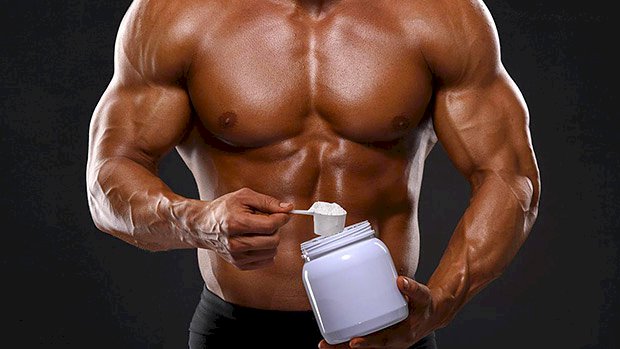 The Blueprint for Gains When most hardgainers ask for advice, they’re told simply to eat more. Unfortunately, eating more doesn’t address the problems of raging metabolism, high stress hormones, poor digestion, and pathetic appetite that plague most skinny guys. But with the right guidelines and some hard work, you can say goodbye to your former skinny self – forever! Here’s the blueprint I used to pack 50 pounds of lean muscle onto my scrawny frame. Not only did it work for me, but it also worked for my clients and my athletes. It’s time for you to put the “gainer” back in hardgainer. 1 – Boost your appetite with the right amount of training. When it comes to building muscle, the most important thing is training. Even in situations that aren’t ideal, the body can build muscle to survive the threat imposed by training. Research has shown you absolutely can build muscle in a calorie deficit (if protein intake is high) (1). And anecdotal evidence from prisons shows that guys get jacked all the time, despite awful nutrition. This is not in any way suggesting that eating isn’t important. No skinny guy will gain a respectable amount of muscle without proper nutrition. However, you need to have your priorities straight. Muscle building starts with hard training, and perhaps surprisingly, hard training will improve your eating. Consider that one of the biggest obstacles a hardgainer has is a pathetic appetite. Hard training is one of the fastest, easiest ways to increase your appetite. It makes your body demand more food and this makes eating large amounts of food way easier. Oddly enough, your appetite can actually help you find your training sweet spot. Too little training will do nothing to increase your appetite. Too much training will actually decrease your appetite. The right amount of hypertrophy training will leave you ravenous! 2 – Tough out the two-week BMR increase and keep going. Research on lean, healthy subjects shows an increase in BMR (basal metabolic rate) for about the first two weeks with overfeeding (2). That means when you try to eat big, your body’s first response is to increase its metabolic rate. This is precisely why just eating more doesn’t always work for hardgainers. They take the advice, go out and start eating more for a couple weeks, and then find the scale won’t budge. Now the hardgainer thinks he’s a non-gainer. He gives up on nutrition and thinks some magical new biceps curl variation is the real secret to getting jacked. Look, this spike in your already naturally fast metabolism is part of the game. Don’t worry, it won’t keep increasing forever, but you need to be patient. You need time for your body to get used to consuming larger volumes of food. In fact, you may not even be able to eat and properly digest the amount of quality food you need to build muscle… yet. You need time to get used to eating more and following the other new lifestyle habits and strategies in this blueprint. Stay the course, let your body adapt, and the scale will start moving up. If you’re not in this for the long haul, you need a different hobby. 3 – Replace pre-workout stimulants with peri-workout nutrition. Hardgainers already have too many stress hormones pumping through bodies. As a result, losing muscle is fast and easy while gaining it is slow and difficult. Many hardgainers add even more stress to their bodies by abusing pre-workout stimulants. Remember, the only stimulant you “need” for a great training session is a strong mind, and instead of getting all hopped up on stimulants before training, fuel your body with peri-workout nutrition. It’ll give you extra protein, carbs, and calories without taking up room in your stomach or taking up time to prepare more food. Also, the insulin from the carbs has a powerful anti-catabolic effect, which shuffles the hormonal deck in your favor. 4 – Add menu items instead of increasing portion sizes. Think back to your childhood. Remember how you were so full that you couldn’t eat another bite of dinner? But then, when presented with surprise dessert, you regained your appetite. As a kid, I thought I had a separate dessert stomach. I now know it was just a case of palette fatigue. When you eat a lot of one type of food, your palette simply gets bored of that flavor and texture and you stop wanting to eat. When most hardgainers try to eat, they just eat more of what they’re already eating. They try stuffing down more chicken, rice, and broccoli, and it doesn’t work. Their palettes get so tired of the same stuff that they stop eating long before they reach the level of food necessary to build muscle. Instead of eating more, add more items to your meals. Increase the flavors and textures at your meal and watch the scale finally start to climb. For example, let’s say your typical breakfast consists of the following: 3 eggs 2 pieces of toast or oatmeal 1 apple Gradually add items until you get to this breakfast: 1 scoop Metabolic Drive® Protein in
Origin: 10 Nutrition Rules for Hardgainers
 All about sport xlsport.club