
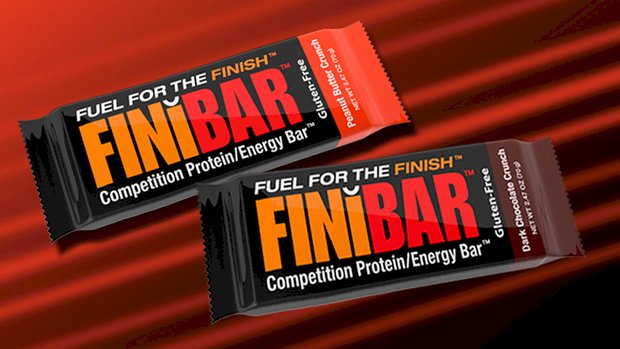
 How Was That Possible?! Working at T Nation headquarters in Colorado has a lot of advantages. First, I get to use the private T Nation gym. Pretty sweet. Second, I get to work from the same building as our sister company, Biotest Labs. A while back, Biotest received a big delivery of product – a huge pallet of Finibars in unmarked white wrappers. In case you don’t know, good supplements companies do what are called “pilot runs” of their products to test for things like flavor and texture and make sure everything is up to snuff before they produce millions of them. The pilot run turned out great and production was cranked up. But that big pallet of Finibars, cases of them left over from testing, was just sitting there… right outside my office. Naturally, I started to grab one here and there. Then I grabbed another couple. And maybe a couple more. Sometimes I’d stack a dark chocolate crunch bar with a peanut butter crunch bar, stick them in the microwave for 10 seconds, and eat them like giant, high-performance Reese’s Peanut Butter Cups. Now, if you’re a fan of Finibars, then you’re probably saying, “Um, hey Chris, those bar are designed to be eaten before hard workouts and athletic competitions. They aren’t snacks!” Yeah, I know. And I still worked my way up to eating five of them every day: one before training and four more spread throughout the day or as a lunch replacement. I fully expected to gain some body fat. But, weirdly, I didn’t. The only thing I noticed was having the best workouts of my life and muscular pumps so tight they were almost painful. So I decided to take a closer look at the ingredients of Finibars and figure out what was going on. Protein and Functional Carbs Aside from 16 grams of protein – a blend of high-quality whey protein isolate and milk protein isolate, not cheap soy like most food bars – Finibars contain 39 to 40 grams of carbohydrate. That’s what initially had me worried. I was a low-carb guy at one time. I’m not anymore, but those carbs scared me a little, given the number of bars I was scarfing down. Turns out, instead of being primarily made out of syrup and cheap sugars like most “energy” bars, Finibars contain isomaltulose as the primary carbohydrate. It’s truly a “functional” carb, and not just because it can do squats while standing on an exercise ball. Isomaltulose is derived from beets, but the molecules have been enzymatically rearranged to create a carbohydrate that’s fully digested and fully absorbed — but much, much slower than regular, non-functional carbs. That’s how Finibars sustain your energy for competition or long/intense workouts. Also, isomaltulose induces a very low blood sugar response. As such, the body releases a very small amount of insulin, which prompts the body to burn stored fat for energy production. Yes, that means these bars actually promote fat burning and improve metabolism. That explains how I was able to eat so many of them and stay lean. Isomaltulose is a functional carb source that causes the body to oxidize fat at a greater rate, which is one of the ways it improves endurance and athletic performance. What’s more, studies – randomized, double-blind, controlled cross-over studies – show that cyclists were able to improve their time trial tests by over a minute when using isomaltulose – the difference between winning gold and going home with just the free T-shirt (1). Fuel for the Finish Finibars weren’t made because Biotest wanted a piece of the nutrition bar market. No, it happened organically. An Olympic cyclist we were working with said she needed a bar that fueled her competitions and helped her stay hydrated without upsetting her stomach. Finibars were designed just for her and not sold to the general pubic at first. Later they were tested with every type of athlete, from ultra-marathoners to pro bodybuilders and NFL football players (who would eat them before games and during halftime). Actor Bradley Cooper would eat them before and after his brutal workouts to prepare for his role in American Sniper. Finibars also provide anti-catabolic protection (very important for natural lifters and athletes) and something called “superhydration.” They help pull water into muscle – when consumed with fluids of course – for a superhydration effect, which is critical for supporting and sustaining high-level performance. And unlike a grocery store “energy bar,” which can upset your stomach during training and sports, Finibars soothe the digestive tract. As a bonus, they’re wheat free and gluten free. Who Should Use Finibars? Lifters and bodybuilders who train intensively (and love a good pump) Combat-sport athletes and fighters Runners and obstacle racers CrossFit athletes Military personal Hikers Anyone who trains their butt off And while you won’t find this on the label or on the store page, I think Finibars make a great anytime snack or meal replacement. Hey, life is a competition. Fuel up and win it. To Sum Up,
Origin: The Next Generation Nutrition Bar
Tag: Next
The Next Generation Energy Supplement
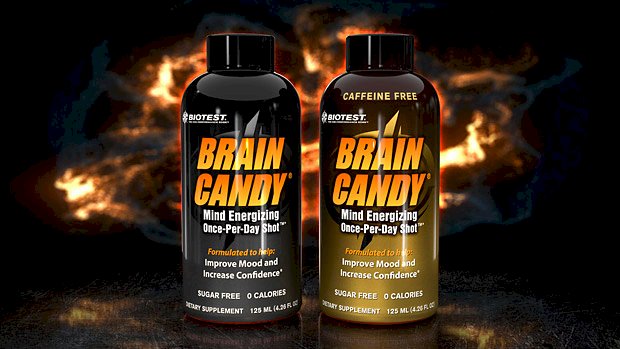 Conventional Energy Products Are Garbage Most of them are just caffeine delivery systems and drinking one is pretty much the same as going to Starbucks and chugging four Grande Iced Peppermint Mochas in rapid succession, only without having to listen to the same playlist they use at Guantanamo to torture the prisoners. Either approach will cold-cock your brain with a buzz that’s harsh and off-key, closer to anxiety than motivation, energy, or inspiration. That’s the trouble with caffeine, especially when you ingest a lot of it. It’s like an untamed stallion – of little use to anyone if you can’t make it go in the direction you want it to. But an evolved energy product, one that benefits the mind as much as the body, puts a chemical saddle and bridle on caffeine. It “tames” it. It makes it take you where you want to go. This evolved energy supplement would use a bevy of carefully chosen synergistic smart drugs (nootropics) to enhance caffeine’s best qualities (alertness, inspiration, etc.) while minimizing the bad (jitteriness, rapid heart rate, etc.). And caffeine simultaneously would return the favor in these evolved energy supplements by working to make the nootropics in them work better. When it clicks, when you’ve got the right formula, the product would give your brain superpowers above and beyond the capabilities of caffeine or any one individual nootropic ingredient. Biotest’s Brain Candy® is the right formula, whether you choose the regular or caffeine-free version. What Brain Candy® Does Brain Candy® customizes your brain function. It turns no into yes. Let’s say I don’t have the energy, the will, the inspiration, or the courage to do something – whether it be heading to the gym, tackling a new writing project, or going to some stupid party where I don’t know anybody. Brain Candy® coaxes me into doing a 180 on all my negative mental outlooks. In general, it boosts athletic performance, increases confidence, reduces social anxiety, and improves mood. It inspires and it motivates. It even improves learning and memory retention. Use it whenever you want to turn no into yes, or yes into hell yes. How Does Brain Candy® Do All That? Brain Candy® contains five nootropic ingredients, each selected for its individual properties and its ability to work synergistically with its teammates: Acetyl-L-Carnitine (ALCAR) ALCAR is a naturally occurring amino acid that easily slips across the blood-brain barrier. It’s been found to convey the following benefits: Improved “processing speed,” focus, mood, and memory (including long-term memory). Improved verbal fluency so you’re less Forrest Gump and more George Will. Improved social interaction. Increased glucose and creatinine levels in the brain (both of which decrease as we age). Increased energy production in the mitochondria, thereby boosting physical and mental energy for several hours. Protecting brain cells from Saturday night’s alcohol binge. Stimulating brain cells and prompting them to grow more connections to other neurons. Increased learning rate. Counteracting some forms of depression. Alleviating dysthymia, a depressive disorder. It’s still unclear as to how ALCAR does all those things, but we definitely know it increases levels of norepinephrine and serotonin, two neurotransmitters that play a vital role in brain function and mood. ALCAR, in general, improves the electrical “wattage” of your brain so that you “burn” brighter and longer. Acetyl-L-Tyrosine Acetyl-L-tyrosine is another naturally occurring amino acid that’s used by the brain to make the stimulatory neurotransmitters norepinephrine, epinephrine, and dopamine, the last of which is involved in emotions, movement, and even the sensations of pleasure and pain. Using acetyl-l-tyrosine has the following effects: Improved moods so that you say goodbye to the doldrums. Reduction of social anxiety. No more wallflower. No more struggling with what to say. Improved memory. Increased learning capacity. Improved analytical skills. Increased energy. Improved concentration. Restores neurotransmitter levels depleted by ingesting too much caffeine. Acteyl-L-tyrosine also helps you cope with stress, both physical and mental. Users report that it even leaves them feeling refreshed after an intense workout. CDP Choline CDP-choline is an intermediate in the production of the structural phospholipids that form cell membranes. It’s also one helluva’ nootropic with the following effects: Increased attention span. No more wandering brain. Enhanced production of ATP in brain cells so your mind works faster. Optimized signaling between brain neurons that enhances learning, cognition, and recall. Improved memory. Enhanced learning. Protects nerves against damage. Helps prevent addiction to drugs like cocaine and even, more interestingly, food. DMAE (Dimethylethanolamine) DMAE is yet another naturally occurring amino acid. It helps increase levels of the neurotransmitters acetylcholine, along with
Origin: The Next Generation Energy Supplement
Tip: Could This Be the Next Super Supplement?
 We know through written historical accounts that ancient people and not-so-ancient peoples often used plants and herbs to treat sickness. Through years of trial and error, they were able to figure out which plants had healing powers. What they’d probably stumbled on were plants that had high concentrations of certain natural phenolic compounds, which are more commonly referred to as polyphenols. Institutionalized medicine didn’t pay much attention to them, though, because the things these healers used just didn’t work well enough to inspire interest or confidence. No amount of vile-tasting herbal teas was going to fix diabetes, lower body fat, or prevent heart disease. But science has since been able to identify, extract, and concentrate these plant chemicals and use them in a way that would do all those ancient folk-medicine practitioners proud. Common examples of these polyphenols include resveratrol, green tea extract, quercetin, caffeic acid, anthocyanins like cyanidin 3-glucoside, and the current darling of the polyphenol world, curcumin. But a new player is ready to make its entrance and it might eventually rival curcumin in its accomplishments. It’s called fisetin, and its list of reported and purported benefits is pretty long. What Dose Fisetin Do? Like many polyphenols, fisetin seems to be a utility player, playing nutritional shortstop just as well as it plays nutritional right field. One problem, though – even though over 800 studies have been conducted on fisetin, only one of them involved humans. Most of what we know is based on experiments with mice and rats. Still, if some of the following benefits extend to humans, as they often do with polyphenols in general, then we might really have something: Reduces body fat:Mice gained 75% less weight when they were introduced to a high-calorie diet and given fisetin. The thinking is that fisetin may increase levels of the fat-burning hormone adipokinectin. Helps regulate blood sugar:Diabetic rats and mice fed fisetin experienced insulin and blood sugar levels compatible with healthy mice. Furthermore, it prevented sugar from bonding with proteins, a process known as glycation that contributes to a host of bad stuff like nerve damage, kidney disease, cataracts, and aging of tissues in general. Prevents the growth of various cancers:Like curcumin, fisetin seems to downright hate cancer, holding special grudges against colon, brain, lung, breast, ovarian, pancreatic, and brain cancers. It also seems to protect against prostate cancer by blocking the receptors for DHT. Improves memory and learning:Fisetin improved the memory retention and learning abilities of old rats. Protects your skin:Fisetin slowed the breakdown of collagen in cells exposed to ultraviolet light. Relieves depression and anxiety:Fisetin seems to increase levels of serotonin and noradrenaline, thereby improving mood. Helps ameliorate neurodegenerative diseases:Animal models of Alzheimer’s, Huntington’s, multiple sclerosis, or amyotrophic lateral sclerosis showed marked improvement in such aspects as memory, balance, coordination, and life span when fisetin was introduced. Lowers blood pressure:Fisetin dilates blood vessels, thereby allowing blood to flow through the pipes easier. Helps you handle booze better:Mice that partied too hard were able to process alcohol better. Combats Irritable bowel disease (IBS):When mice with the human equivalent of IBS were given fisetin, inflammation went way down. Fights aging in general:Fisetin seems to be a powerful “senolytic” in that it helps the aging body rid itself of senescent cells (cells that stopped dividing) that normally lead to inflammation and reduced lifespan if left to foster. How Does Fisetin Work? Like most polyphenols, fisetin is a powerful antioxidant, which explains or partly explains many of its effects. Secondly, it blocks an inflammatory switch known as NF-kB. Block this protein complex and you help thwart the evil plans of cancers, allergies, and autoimmune diseases. Fisetin also influences mTOR, a kinase that acts as kind of a cellular switch. Having higher levels of mTOR after a workout is a good thing as it helps you grow muscle, but having perpetually high mTOR levels is associated with a variety of diseases. Fisetin could be used to modulate mTOR levels to your advantage. Is Fisetin Safe? Fisetin, like most polyphenols, seems to only have better angels perched on its shoulders in that it doesn’t seem to have any negative side effects, even at high doses (at least in animal studies). Still, pregnant women and children should heed the usual warnings since we don’t yet know enough about the substance. The good news is that the Mayo Clinic is currently investigating fisetin in three separate studies involving diabetes, kidney disease, and frailty, so we should have more info on its safety and efficacy soon. What Foods Contain Fisetin? Of all foods analyzed for fisetin levels, strawberries contained the most, but
Origin: Tip: Could This Be the Next Super Supplement?
 All about sport xlsport.club