
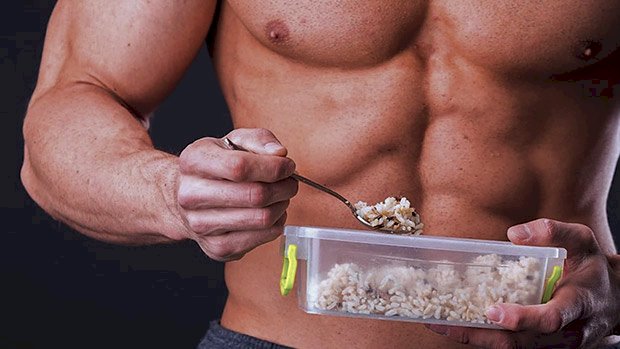
 Myth – Carbs at night will make you fat. Since your overall activity is low before bed, and then you go to sleep, the carbs you eat around that period will deposit themselves as fat cells and lead to fat gain. Truth – Carbs at night can expedite fat loss. In a study of 73 fat police officers, researchers found that shifting carb intake to the evening meal caused more fat loss compared to having carbs throughout the day. It also improved insulin sensitivity and lowered inflammation markers (1). One of the theories behind the study was that if insulin was kept low throughout the day, and limited to a single secretion in the evening, it would lead to higher relative concentrations of leptin starting 6–8 hours later (into the next morning and throughout the day). They believed this would lead to greater satiety and dietary compliance each day. The argument against carbs at night is a common one: People believe you’re not as insulin sensitive and thus you’ll be more likely to store excess carbs as fat while you’re at rest. However, if insulin is kept in check for the day, and you’ve spent the day being active, that’s not an issue. You’ll be insulin sensitive at the end of the day and should store those carbs as muscle glycogen. My Recommendation Front load protein, back load the carbs. If you struggle with binge eating in the evening and you’re front loading all of your carbs, or simply dispersing them throughout the day, then moving all of them to your last meal could lead to better dietary compliance the following day. If you want to use this approach, then front load most of your protein in the early part of the day, or even spread it out evenly over four to five meals, then shift all of your carbohydrate intake into the last meal of the day. This strategy can also help with sleep for those who have trouble relaxing in the evening. The influx of carbs can also spike serotonin. A good night’s sleep has also been proven to help increase fat oxidation compared to those who are sleep deprived. So it’s a win-win. Keep in mind, carb back-loading doesn’t mean it’s a free-for-all where you’re pounding down an entire bakery of croissants. Plenty of people do that and those people are fat. Myth – You don’t have to count calories on a keto diet. Keto fans say carbs are what make you fat, not excess calories. Their butter, bacon, and cheese-laden recommendations are often part of the idea that you’ve got to eat fat to burn fat, regardless of caloric intake. Truth – Caloric intake above maintenance will still cause fat gain. One of the most misleading statements about keto diets is that calories don’t matter if you’re not consuming carbs. This stems from the insulin-to-obesity theory. It goes something like this… Carbs cause insulin to be secreted. Insulin (the storage hormone) stores those carbs as fat. So, eliminate carbs and you’ll stop storing fat regardless of calories consumed. Become a fat-burning machine. It’s true that getting into a state of ketosis will increase fat oxidation. After all, fat and carbs are the main fuels used in the muscles for oxidation during exercise. If you eliminate carbs, then eventually the body is left with no choice except to use fat as the primary source for fuel. Boom: increased fat oxidation. But there’s a difference in fat oxidation and a reduction in fat mass, which can only happen in an energy deficit. And if you’re consuming an excess of calories from fat, then the body will do the same thing with those excess calories from fat as it does with carbs: it’ll store them for later use. The reason that a ketogenic diet works well for some people is that it can increase satiation or feeling of fullness. This higher degree of satiation can naturally cause some to eat fewer calories, which leads to fat loss despite the fact that they may not be counting calories. My Recommendation The ketogenic diet will work for fat loss in the same way that every other diet works for fat loss – by creating an energy deficit. You cannot eat “as much as you want” on a keto diet and still lose fat simply because you eliminated a macronutrient source. From the data we’ve seen, keto does appear to increase satiation better than most standard diets which can help with dietary compliance and naturally reducing caloric intake. However, when calories and protein are equal, it’s not a significant advantage for fat loss (2). And on the flip side, the keto diet falls flat on its face when it comes to increasing muscle (3) (4). Myth – Intermittent fasting (IF) works better than any traditional diet. IF has become all the rage again. Heck, I’ve used it. I can attest to the fact that there’s an upswing in mental acuity during extended fasts, and to the fact that I never experienced any muscle loss while doing it (sometimes up to 70 hours of fasting). These things are definitely advantages of fasting protocols. At least they were for me and seem to be for anyone who has done extended fasting. The
Origin: 5 Fat Loss Myths You Still Believe
Tag: Loss
Take 4 Capsules for Muscle Gain and Fat Loss
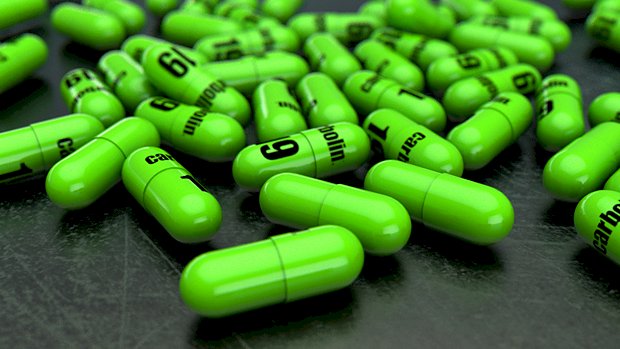 Lazy people all over the world have long awaited the invention of a pill that allows them to enjoy the benefits of diet and exercise without actually having to do any dieting or exercising. Sure. Give them a pill like that, perfect the whole virtual sex thing, and they’ll never have to leave the house except for when the bug man comes to tent the place. Well, we’re not there yet – on either of those scientific milestones – but there is a substance that comes closer to that no-diet/no exercise goal than practically anything else in the supplement world and it’s derived from the herb, coleus forskohlii. The active ingredient is called forskolin and it can do a variety of things for the body that you normally can’t get without dieting and exercising. It does this primarily by stimulating production of an enzyme named adenylate cyclase, which in turn increases levels of a cellular messenger called cyclic AMP, or cAMP for short. In turn, elevated levels of cAMP can have the following physiological effects: Increased thyroid secretion of T4 (increased fat burning). Increased testosterone levels (increased muscle, sex drive, fat burning). Increased production of protein kinase (which leads to increased levels of hormone-sensitive lipases (HSL), which helps break down triglycerides). Increased protein synthesis in skeletal muscles. Increased activation of brown adipose tissue (more fat burning, although through a different mechanism). Lowered blood pressure (healthier cardiovascular system). Inhibited platelet aggregation (less clotting). Increased vasodilation (more blood flow). Increased bronchodilation (more air flow through the lungs). Now if you were to take one of those lazy people I mentioned, put him or her on forskolin for a few weeks, and then give them a physical, he or she might well show improvement on a number of medical parameters, just by taking a couple of capsules a day. But imagine what could happen if somebody combined exercise with forskolin. You might really have something then. Lots of Studies The effects I listed above aren’t just hearsay or conjecture. Much of it’s been tested and validated through various studies, the highlights of which follow: Male subjects in a 12-week trial experienced a 16.77 +/-33.77% increase in total testosterone compared with a 1.08 +/- 18.35% decrease in the placebo group. Female subjects in an 8-week study lost a mean of 9.17 pounds weight, while experiencing gains in lean body mass (without weight training). The total body weight of a mixed group of men and women in a 12-week study decreased from 74.7 kilograms to 73.5 kilograms while experiencing increases in lean body mass (without weight training). The forskolin users in a mixed-sex group of 50 test subjects experienced a 1.78 percent increase in lean body mass (compared with a 0.20 decrease in the placebo group) and a decrease in mean body fat from 35.8 to 34.0 percent (while the placebo group showed an increase in body fat from 38.8 to 39.0 percent). Why Haven’t I Heard of This Stuff Before? That’s an excellent question, Leroy. Even though forskolin’s been around for a few years, it’s never really caught on, either in the bodybuilding world or the health/life extension world. I’m pretty sure that it’s because most companies that decided to produce it didn’t bother to isolate and purify the main ingredient – forskolin. They just collected up the dried leaves of the coleus forskohlii plant, ground them up, and put them in capsules, with or without Italian salad dressing. As lame as that approach is, it mighta/coulda worked in some situations, like maybe they lucked out and found a crop that was particularly rich in forskolin, the same way that one harvest of oranges might be richer in vitamin C than another. Otherwise, they’d be left with a completely ineffective product, thus tainting and damaging the reputation of the product with a whole generation of users. The only way to manufacture a potent forskolin product is by isolating the active ingredient (forskolin). Better yet, you could purify it and esterify it (bind it with a carbonate ester). The end product, forskolin 1,9 carbonate, would then be much more bioavailable and its efficacy in the body would extend from about 4 hours to about 12. That’s exactly what Biotest did in producing Carbolin 19®. Do I Need to Cycle Carbolin 19®? Many supplements and drugs initiate a biochemical reaction by binding to receptors – chemical groups of molecules that receive signals from other chemicals or other stimuli to initiate a chemical reaction. The trouble is, these receptors eventually get desensitized to the original signal. After a while, you need a stronger and stronger dose to initiate the same response, until, ultimately, no dose is large enough to get the chemical ball rolling. This is what docs and scientists mean when they say someone is “insulin resistant.” However, at least as far as fat burning goes, forskolin is what’s known as a
Origin: Take 4 Capsules for Muscle Gain and Fat Loss
Tip: This Can Stop Fat Loss
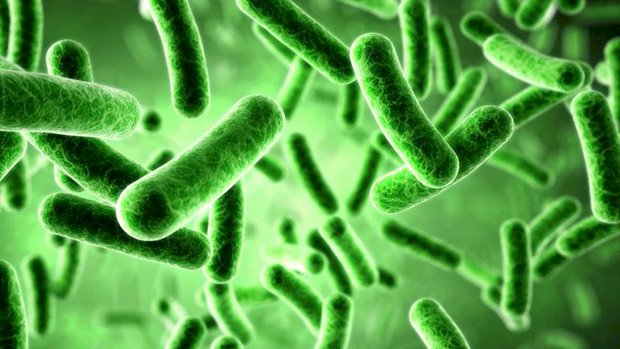 Gut Dysfunction and Stalled Fat Loss Gut issues are a major source of stress for the body, and digestive issues can stall efforts to lose body fat. Think gut problems aren’t a big deal? They’re a huge deal. Proper digestion and the absorption of nutrients is essential for fat loss. The body is a complex chemical factory that can’t function properly without the right nutrients available. So asking your body to perform when it’s deficient is like expecting your car to run without oil. Luckily there are some basic ways to assess whether digestion is a problem. Study Your Poop The first consideration is the regularity and consistency of your bowel movements. These should be well formed with elimination at least once a day. Constipation and diarrhea are both red flags of digestive issues that need to be addressed. If you experience bloating, excessive gas, or reflux, then it’s likely you’re having difficulty absorbing nutrients and may have bacterial imbalances or food intolerances. Taking antacids or other medications to alleviate these issues will make the problem worse. They’re temporary fixes for deeper issues. Bad Bugs If your diet is low in processed foods and you suffer from these symptoms then testing for bacterial overgrowth, Candida, parasites, and other bugs may be necessary to identify exactly what’s going on. Food allergies and histamine reactions occur frequently when digestion and elimination pathways aren’t performing well. Gluten and lactose sensitivity are common and may have genetic components. If you find yourself becoming itchy, getting hives, urticaria or suffering from other chronic skin conditions, that’ll be another sign that you have bowel problems. Yes, all these things indicate gut dysfunction. Lots of symptoms indicate problems: gas, bloating, even the excessive feeling of fullness. It’s interesting how many people tell me they think those things are normal. So many fit, lean and otherwise healthy-appearing people have chronic gut issues. It’s not something to brush off. Testing and professional consulting from a specialist may be in
Origin: Tip: This Can Stop Fat Loss
Tip: The Fat Loss Hormones
 Hormones Matter It’s true that no hormonal issue, imbalance, or whatever, can negate a calorie deficit. But that doesn’t mean hormones don’t play a huge role in the fat loss process, and the proper regulation of the following is critical to how efficiently and easily you lose fat. Insulin Any time we eat, our bodies produce insulin to help shuttle the nutrients to where we need them – either to our muscle cells or fat cells. And in a perfect world (for physique purposes), we’ll eat so that insulin spikes around workouts to support performance, recovery, and growth. The rest of the time we’ll try to keep these spikes minimized. However, most people are constantly stuffing their faces throughout the day, resulting in constant insulin production. The problem is, the more insulin that gets produced, the less sensitive we become to its effects. That means the body becomes less effective at shuttling nutrients for workout recovery and muscle growth and more effective at storing excess fuel around your waistline. Takeaway: Get your doctor to test your resting insulin levels. This will go a long way in helping you determine your best diet. Focus on timing your highest carbohydrate meals around your workouts to maximize post-exercise insulin sensitivity. Leptin Leptin is produced in the fat cells and works by sending signals to your brain when you’ve stored enough fat and you don’t need to eat any more food. The fatter you are, the more leptin you produce. You’d think that having more body fat would make it easier to eat less food, but like trying to understand cryptocurrency, it’s not that simple. Similar to what happens with insulin, you can become leptin resistant. This happens when too much fat produces too much leptin, and the leptin signals stop getting sent to your brain. When this happens, the body thinks it’s starving and activates feelings of hunger, whether you need food or not. Takeaway: The best way to control leptin is to stay lean in the first place. Sorry, no soft-touch tips here. Ghrelin If you’ve ever been in a lean bulking phase and unintentionally skipped a meal, only to be met by ravenous hunger and a bellowing stomach, you’ve felt the effects of ghrelin. Ghrelin is responsible for the physiological feelings of being hungry. It’s produced in the stomach and it increases when your stomach is empty. Conversely, it decreases when your stomach is full. The less food you eat – like when you’re trying to lose fat – the more ghrelin your body produces as a response. Ghrelin can also be secreted at regular intervals when you’re not dieting. This is one reason starting a diet like intermittent fasting can be brutal for the first few days. Once your hormones adapt to the change in your diet, things get better. But ghrelin doesn’t care whether you’re trying to lose fat or not – it’s fired up and ready to devour anything you put in front of it. Takeaway: Eat at regular intervals to control ghrelin. Intermittent fasting can be a powerful tool in resetting and regaining control over hunger signals. Cortisol The stress you feel when you narrowly avoid a traffic accident is physiologically the same as the stress you feel when dieting, skipping out on sleep, arguing with your coworkers, and training hard. This stress causes the release of cortisol. Chronically elevated cortisol makes it easy to break down muscle tissue, easier to accumulate body fat (specifically belly fat), and it suppresses levels of beneficial hormones like testosterone and growth hormone. Elevated levels of cortisol are also associated with elevated levels of ghrelin, which is why your appetite increases in times of high stress. Takeaway: Stress is inevitable, so you need to find ways to manage it. Sure, iron therapy is great, but take a daily walk, find a few minutes of quiet time in your car before leaving the gym, or adopt a meditation practice. Thyroid Your thyroid hormones, specifically triiodothyronine (T3) and thyroxine (T4), are primarily responsible for the regulation of your metabolism, as well as supporting fat loss and muscle growth. Thyroid hormone levels are directly related to how we live our lives. Poor sleep, nutrition, and high stress can all reduce thyroid levels, as can chronic caloric restriction. This is one of the main reasons why, as you diet, your metabolic rate slows down. Takeaway: Make sleep a priority and avoid long-term strict caloric deficits, which can bring your thyroid to a screeching halt. Growth Hormone Growth hormone (GH) is one of the most powerful hormones produced by your body. Growth hormone stimulates cellular repair and to a lesser extent, muscle growth. More importantly, levels of growth hormone promote the burning of stored body fat for energy while simultaneously limiting the storage of fatty acids. Takeaway: Growth hormone naturally decreases as you age, which is why it’s often considered “the fountain of youth” hormone. To maximize natural levels of growth hormone, sleep 7-9 hours.
Origin: Tip: The Fat Loss Hormones
 All about sport xlsport.club