
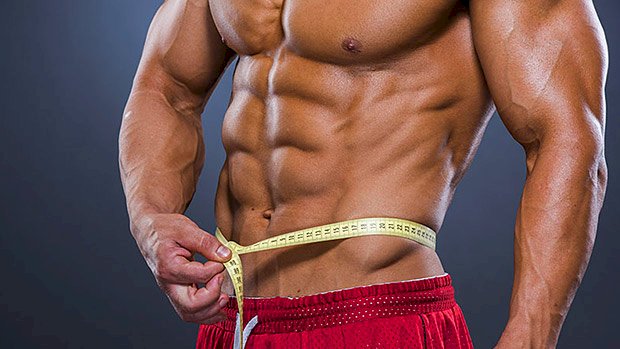
 Every dude who stays in the lifting game long enough, regardless of whether he’s a powerlifter, strongman, or recreational body toner, should get inside-out peeled at least once… or at least give it his best shot. There are two reasons why: 1. Extreme leanness can set the stage for muscle growth. Ask any bodybuilder about the rebound effect of an intelligent “reverse diet” and the gains that follow those months of eating in a caloric deficit. When you get very lean, you’re going to be far more insulin sensitive, and very overworked. The reduction in cortisol and improvement in your nutrient partitioning should boost you to some new gains, as long as you don’t sabotage that process by eating way too much and getting lazy. 2. You find out if you have what it takes, and what you look like once you get there. If you’ve never spent months abstaining from foods you love, while putting in more work than usual, then you don’t really have an idea of what it takes to achieve remarkable leanness. As someone who’s done both powerlifting and bodybuilding, I can tell you the effort behind getting ready for a bodybuilding show is infinitely harder than a powerlifting meet. The Trade-Offs There are of course trade-offs that occur along the road traveled from pudgy to peeled. The internet is rife with diet ads, memes, and quotes about how you don’t have to give up the foods you love or your social life. That may be true for those who don’t take their leanness any further than what they can easily sustain. But if you want to get peeled – a state that’s not really meant to be easily sustained – you’ll indeed have to give up some of the things you love. Getting from “lean” to “ripped” becomes life-consuming, but the difference in lean and peeled is practically the difference in driving a Mustang GT and a Bugatti. It’s up to you to decide what it is you’re willing to sacrifice to achieve an exceptional level of leanness. It’s going to be different for everyone. Let’s look at what you’ll need to do – in increments – because you’re not going to be able to stick with a plan that’s designed to take you immediately from fat to ripped. Here are the general guidelines that can help get you there. Think of them as “you may have to…” suggestions. You might have to do more than what’s listed, or you may find that you can get the desired results with fewer restrictions. Step 1: Go From High Body Fat to Average Body Fat The Specifics: This is roughly 20% body fat (or more) down to 15% for men, and from 30% (or more) down to 25% for women. Let’s begin with the person who wants to get down into what would be an acceptable level of body fat. This tends to be something to the tune of 15% for men and 25% for women. This is an area where you’ll probably look pretty good, but it still won’t qualify as lean. And yes, some men can have a little ab definition at this point, but having abs doesn’t necessarily mean you’re lean. Guidelines Reduce intake of desserts, sugary drinks (soda, fruit juices), alcohol, and most overly processed foods. Include vegetables in at least one meal a day to increase satiation (1). Lift 3-5 times a week. Do cardio 3 times a week for 30 minutes per session to help expedite the process. Get protein intake up to about 1 gram per pound of bodyweight. If you make the above changes, then you probably don’t even need to count calories yet. Eating healthier foods and getting rid of most of the junk tends to be fairly self-regulating in terms of caloric control. Here’s an example of what to eat to simply get to this level without counting calories. Breakfast Whole Egg Omelet with Added Egg Whites Vegetable of Choice Oatmeal or Ezekiel Bread Lunch Chicken Jasmine Rice Salad with Olive Oil and Balsamic Vinegar Post-Workout Metabolic Drive® Protein Banana Rice Cakes Dinner Fatty Fish Like Salmon or Lean Cut of Red Meat White, Red, or Sweet Potato Before Bed Metabolic Drive® Protein with Fruit There are no macros or calories listed because the goal is to simply make better food choices. You’re not trying to contest diet on day one. If you were to fit in foods you enjoy here that are minimally processed and nutrient dense, you’d naturally find yourself coming down from the fuscular (fat-muscular) range, to the “hey you look like you stopped eating like an asshole” range. You’d be surprised how far you can get by simply making better choices. This phase could last from three to six months depending on where you’re starting from and how well you adhere to the guidelines. Step 2: Go From Average Body Fat to Lean The Specifics: This means getting down to around 10% for men and 18% for women. This is going to require you to take the next step in discipline and adhere to those habits for a decent period of time. Getting to this stage could take anywhere from two to three months depending on your degree of compliance. But it’s also an area that’s very sustainable once you’ve held it long enough to create a
Origin: Get Inside-Out Peeled
Tag: Inside-Out
Tip: Inside-Out Shoulder Strength and Mobility
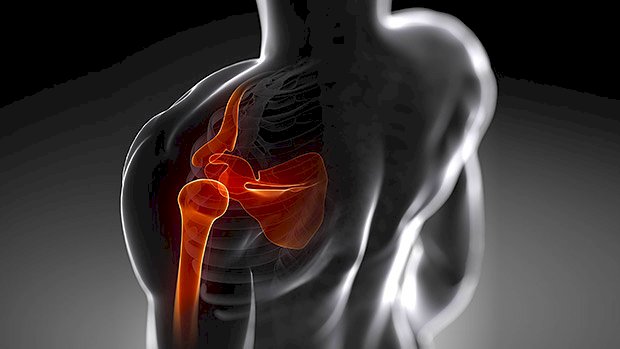 I coach CrossFit. I know, I know, I’m sorry. It was an accident. But I kinda have a problem: I like motivated people that enjoy lifting and high-skill bodyweight movements. And there’s something to be learned from this crazy “functional” stuff. Like, how can they do 20 muscle-ups followed by 30 clean encrypted-media” allowfullscreen> Let’s break each part down: Passive-Active Hang Think about pulling your shoulder blades down as much as you can to engage all your back muscles. You can either hold for 5 sets of 10 seconds or perform 5 to 10 reps with no pause. Try both and see if you fatigue easily. This is a basic shoulder movement and ideally you should feel like you could do it all day. Hanging Shoulder Rotation All the movement has to come from the shoulder and not the elbow… or weird bobbing movements from your neck. We’re looking for good shoulder mobility here, not head gestures that would accompany a naughty innuendo. Many people struggle with rotations and it can feel unnatural at first, but it really shouldn’t. If it helps, try lifting your arms overhead and rotating your shoulders without holding on to a bar. This way you’re not having to lift your bodyweight so you can get a better feeling for the movement. Then, try it on the bar with your toes on the floor for assistance and build up to fully hanging rotations. Think like a monkey in a tree. You have to be able to have that control to navigate from branch to branch; otherwise you’re just swinging and yanking your shoulder out of its socket every time. Yes, CrossFitters may look like a floppy fish when doing butterfly pull-ups, but there’s actually a lot of coordination, control, and strength that goes into them. Butterfly pull-ups without the prerequisite control are a quick way to a dislocated shoulder or torn rotator cuff. Even if you never have any intention of flopping about on a pull-up bar, this control and strength is important to your general shoulder health. Single-Arm Hang It’s incredibly important to be able to hold yourself from one arm and still be able to engage the lat, provided you’re not a heavyweight powerlifter. A great strength test is to see how each arm matches up to the other. If one arm has tremendous endurance and the other slips after a few seconds, which arm you will favor in pull-ups and presses? Working on this will even help bring balance to your shoulders. Single-Arm Rotation Last in the video, we show you a demonstration of a full rotation from a supinated grip to a pronated grip. When I demo this at workshops, it’s amusing how many people freak out. But this is nothing compared to what you’d see in a gymnastics training camp! Despite the common reaction, this is simply a normal range of motion for the shoulder. We demo it in the video because I want you think about how much range of motion you’re missing out on by not having a rotational element to your shoulder work. It’s kind of like only ever training squats without doing deadlifts – there’s a whole range of strength there that needs to be worked on. However, please don’t try a full rotation unless you’re confident in one-arm hanging and you’ve tried it with your feet on the ground first. If you’re new to it, an easier way to build rotation strength is dumbbell shoulder rotations. If you work to make all these movements easy, your shoulders will not only be smarter, but a hell of a lot more durable and able to cope with punishment from any training program. More stability, more strength, and fewer injuries – that’s hard to
Origin: Tip: Inside-Out Shoulder Strength and Mobility
 All about sport xlsport.club