
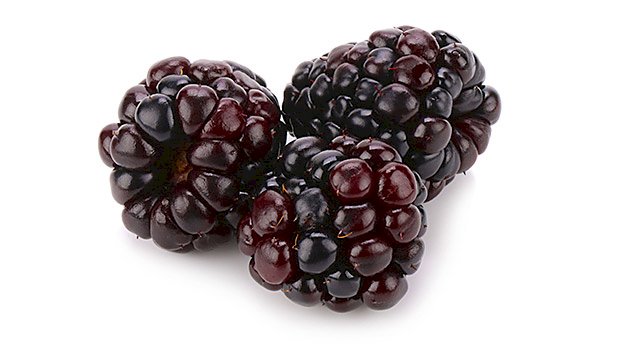
 The Manliest Meal Here’s a scenario for you female types: You meet someone you kinda-sorta like at the gym and you agree to meet him at the Outback Steakhouse for dinner. You, the bench-pressing, deadlifting, 100% woman that you are, order the Melbourne Porterhouse, cooked so rare you can put your ear to it and hear the sounds of the Australian prairie. But instead of asking for some equally bovine entrée, your date just orders the salad and nothing else: a plate full of lettuce, radishes, and carrots, accompanied with some small grouping of blueberries and strawberries. Now be honest. Didn’t your thighs suddenly clench tightly together? Didn’t an old, weather-worn sign proclaiming that “This here billabong has gone completely dry” suddenly pop up in front of your female parts? There’s no way you’d sleep with this, this… herbivore, right? He’s obviously a low-testosterone hamster, or rather, since you’re eating “Aussie” food, a gerbil, right? Well, get ready to be served a big Bloomin’ Onion of irony, missy, because a new study shows that your fruit-salad munching friend is more likely to be able to achieve and sustain a strong erection than the steak-eating guy who skimps on the plant food. Blue Berries Inversely Related to Blue Balls Researchers from the University of East Anglia and Harvard recently published the results of a large, population-based study in which they monitored over 50,000 men over the course of 30 years. The men were periodically asked about their ability to achieve and maintain an erection, tracking back to 1986. The study found that those who regularly ate foods rich in certain polyphenols (e.g., anthocyanins, flavanones, and flavones) had improved sexual function and were far less likely to suffer from any kind of erectile dysfunction. Foods that contain these particular polyphenols and that were prevalent in the diets of strong-erection men include blueberries, cherries, blackberries, and radishes. Encouragingly, the results were seen from eating what lead researcher Aedin Cassidy described as “just a few portions a week.” Strong Heart, Strong Penis It’s well known that certain polyphenols – anthocyanins and flavonoids in particular – are associated with a reduced incidence of diabetes and cardiovascular disease, and generally speaking, a good heart equals a good erection. After all, it’s all about hydraulics. So it stands to reason that if dietary polyphenols prevent or slow down the development of these diseases, you ipso facto get better erections. Of course, there are likely other mechanisms involved, too. Certain anthocyanins can activate the enzyme AMPK, which affects nitrous oxide systems, which in turn control the intensity and duration of erections. How to Use This Info It’s clear that ingesting certain polyphenols, most notably those found in blueberries, strawberries, blackberries, radishes, red wine, apples, pears, and citrus products, can improve erections and help prevent erectile dysfunction. Exactly how much you’d have to eat requires further study, but it looks like you could easily duplicate the benefits experienced by the men in this study by adding a handful of blueberries to your cereal or protein shake a few times a week. Alternately, you could go the supplement route to make things even easier. Indigo-3G® is an anthocyanin product that was designed to increase insulin sensitivity, but it’s also about the most concentrated form of the anthocyanins available and should go a long way in fortifying sexual function. Likewise, the product Superfood, which is a freeze-dried preparation consisting of 18 different fruits and vegetables, contains abundant amounts of the polyphenols singled out in the erection study. Oh, one more thing, and it goes back to the beef-tongue-in-cheek opening of the article: Steak eaters would have at least one turgid leg up over people who only ate polyphenol-rich foods and not animal flesh. The meat eaters get lots more vitamin B12 than non-animal flesh eaters in general, and B-12 is essential to strong erections. The take-to-bed message regarding erections is this, though: A strong and hale erection is indicative of overall health. It’s the flaccid canary in a coalmine, and if your canary is dead, failing, or flailing, start by shoring up your nutrition with polyphenols (and maybe even some more animal
Origin: Tip: The Best Foods for Sexual Health
Tag: Foods
Tip: Foods and Supplements That Control Cortisol
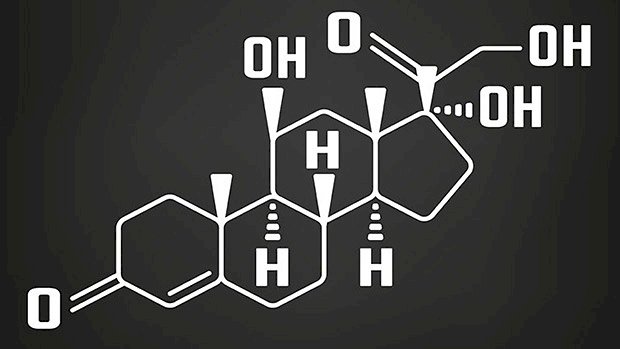 Nutrition One of the functions of cortisol is to maintain a stable blood sugar level – cortisol increases it when it’s too low. One way of minimizing cortisol is… eating carbs! Or more specifically, maintaining a normal blood sugar level. That’s why I don’t like very low-carb diets for people who are chronically stressed. It can easily lead to chronic cortisol production. Sure, you can create glucose from amino acids to maintain a stable blood sugar level. Just because you go keto doesn’t mean you’ll be flooded with excess cortisol. But eating next to no carbs, especially if you’re very active, is likely to lead to higher cortisol levels. A super high-carb diet isn’t better though. It can lead to greater blood sugar swings. But certainly, consuming around 30% of your caloric intake from carbs, ideally low glycemic ones, will help keep cortisol under control. I especially like having carbs around workouts and in the evening to decrease cortisol (and adrenaline). You want to lower cortisol in the evening to facilitate sleep and recovery. Supplements There are many strategies you can use to keep cortisol at bay. You don’t want to completely kill it; you actually need it to train hard. But you must be able to bring it back down when needed. Use workout nutrition. Easily-absorbed carbs during workouts can reduce cortisol by providing fuel. If you have carbs already available, you won’t need to mobilize as much, which will mean there’s less of a need to produce cortisol.This is especially effective when you’re doing a higher volume training plan. Plazma™ is your best option here although Surge® Workout Fuel will also work, though it has fewer of the anabolic amino acids to fuel muscle growth. Use vitamin D. This is especially important during periods of high stress. Vitamin D reduces the impact cortisol has on the conversion of noradrenaline to adrenaline. While it might not directly decrease cortisol, it prevents excessive adrenaline production, which can help prevent CNS fatigue (dopamine or noradrenaline depletion or adrenergic desensitization). Take magnesium post-workout and in the evening. Magnesium decreases the binding of adrenaline to the adrenergic receptors and can help you calm down while protecting your beta-adrenergic receptors (keeping them sensitive). Use rhodiola in the morning. Rhodiola helps keep the stimulatory and inhibitory neurotransmitters in balance and can lower cortisol. I like glycine post-workout and in the evening. Glycine is a neurological inhibitor. It slows the nervous system down when it’s too amped up, which by extension decreases cortisol and adrenaline. Furthermore, glycine increases circulating serotonin (the feel-good neurotransmitter and the mood balancer) and activates mTOR, which will increase the protein synthesis from the workout. For sleep, use Z-12™. It increases serotonin and GABA (gamma-Aminobutyric acid). These two inhibitory neurotransmitters will allow you to have a more restful night, allowing you to restore a more normal cortisol circadian rhythm, dropping it low when it’s needed most.
Origin: Tip: Foods and Supplements That Control Cortisol
5 Foods Lifters Need to Buy From Costco
 Everyone’s done it. You go to Costco to pick up some boneless chicken breasts and some toilet paper and you leave with a 72-pound wheel of cheese, 12 boxes of Nutter Butter cookies, a palette of kitty litter, and a kayak. It’s easy to get swept up in all that raw capitalism, but if you can keep your cool and stay targeted, a lifter can pick up some great healthy or semi-healthy food items at Costco. Here are five of my favorite, off-the-beaten-Costco-path food items that I’ve grown to depend on: 1 – Kirkland Premium Chunk Chicken Breast I know what you’re thinking: It’s just some chicken in a can, fat head. But hear me out because this is a fantastic find. Each jumbo-sized can (12.5 ounces) not only tastes great (it’s seasoned with just a bit of chicken broth, which also makes it incredibly moist), but has nearly 46 grams of protein in it. These are great for when you want to give yourself a super-hefty dose of protein but don’t feel like making a shake or, for that matter, cooking up a dry chicken breast. I also use them whenever I want to drop a few pounds. I just open one up, drain it, dump it onto a paper plate, mix it with just a teaspoon of olive-oil based mayonnaise, and add a little salt. It makes a great, low-cal, zero-carb lunch that tastes surprisingly good. After doing this for about a week or so, I find I’ve dropped about 3-5 pounds with virtually no suffering. Then there’s the phenomenal cost. If you were to buy comparably sized cans at the grocery store, they’d cost you between 5 and 6 bucks each, but Costco sells a six-pack of these bad boys for the amazing price of about 12 dollars – that’s two bucks a can. 2 – Kirkland Brand Organic Olive Oil You might not have known this, but most olive oils you find at the grocery store are either counterfeit or woefully lacking in purity. There just aren’t enough olive orchards around the world to meet the demand, so various manufacturers and distributors doctor up their olive oil with some sort of seed oil and add chlorophyll and beta carotene for color and odor. The scoundrels figure that while some housewife in Idaho may be potato-savvy, she’s olive-oil stupid and won’t know the difference between high-grade olive oil and some stuff that was made with crankcase oil and Uncle Giuseppe’s moustache trimmings. A few years ago, the University of California Davis analyzed 186 extra-virgin olive oil samples taken randomly from shelves and found that 73% of them failed to meet the standards of purity established by the International Olive Council, and the extent by which they failed ranged from 56% to 94%. Enter Costco. To address the shortage of orchards, they bought their own and now produce a really terrific organic olive oil. It’s one of the few widely available brands in the US to actually meet the standards set by the Olive Council. While it might not have the real strong, grassy taste associated with some of the European varieties, it’s more-than-acceptable to most chefs. Samin Nosrat of Netflix’s “Salt Fat Acid Heat” even included it on his list of recommended olive oil brands. Best of all, the price is about 17 bucks for 2 liters, which is roughly 13% of the cost per ounce of one of Nosrat’s other recommendations. 3 – Townsend Farms Frozen Organic Triple Berry Blend If you were to go to the grocery store and buy 3 pounds of fresh blackberries, strawberries, and blueberries, the check-out girl’s gold digger instincts would kick in and she’d follow you home, thinking perhaps that your 2006 Toyota Corolla with the mismatched side panels was just a ploy to throw off fortune seekers. That’s how expensive fresh berries can be, but Costco sells this organic three-berry blend for about 11 bucks. But maybe you’re thinking that you prefer fresh anyhow, since it’s more nutritious than frozen. Not so. A study conducted by Bouzari in 2014 evaluated the amount of riboflavin, beta-carotene, vitamin C, and alpha-tocopherol (vitamin E) in frozen and non-frozen carrots, corn, spinach, broccoli, peas, green beans, strawberries, and blueberries. He and his colleagues found that frozen foods showed a minimal loss of vitamin C compared to big losses in non-frozen, “fresh” varieties. Likewise, frozen peas showed an increase in vitamin C and vitamin E over non-frozen, and the findings were true for fruits and vegetables even if they’d been frozen for 90 days. In other words, as long as the “chain of freezing” wasn’t broken – as long as the berries didn’t melt when the other berry pickers had to pack Reuben’s amputated finger with them en route to the hospital after it was cut off by the conveyor belt – they’re often as good or better than “fresh.” Lastly, you couldn’t pick a much better dietary and nutritional blend of fruits. All three are rich in anthocyanins and very low in total sugars. 4 – Wilcox Hard-Boiled Organic Eggs I can imagine the Wilcox Hard-Boiled Egg rep giving this pitch to Costco execs, only to be met with stony, perplexed,
Origin: 5 Foods Lifters Need to Buy From Costco
5 Foods For Better Erections & A Healthy Prostate
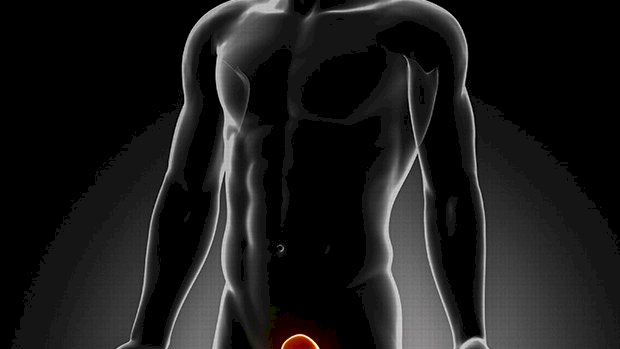 You may be at an age where thoughts about the health of your prostate enter your mind once every never, but like a schnauzer nuzzling your pant leg for a Milk Bone, it’ll eventually get your attention one way or another. It may start to swell up as early as your forties, at which point you’ll say goodbye to sleeping the whole night through without getting up to go to the bathroom. But regardless of whether it gives you any problems or not, your doctor will at some point start to nag you about adding a PSA test to your blood work so he or she can begin to monitor it, in case, you know, the big C. The problem with that is, as I explained in The Truth About Prostate Testing, is that the PSA test itself is problematical. One task force concluded that you’re 120-240 times more likely to be misdiagnosed as having prostate cancer from a positive PSA test and 40-80 times more likely to get unnecessary surgery or radiation than you are of having your life saved (1). Another study concluded that, “Harms associated with PSA-based screening and subsequent diagnostic evaluations are frequent, and moderate in severity… Common major harms include over-diagnosis and overtreatment, including infection, blood loss requiring transfusion, pneumonia, erectile dysfunction, and incontinence (2).” Even the guy who discovered PSA, pathologist Richard J. Ablin, called the PSA test a “profit-driven public health disaster” because it’s led to approximately 30 million American men being tested every year at a cost of at least 3 billion dollars. Of course, these false positives, if they occur, are much more likely to happen when you’re an old or semi-old coot. Even so, it’d be a good idea to at least start taking a little bit of preemptive care of the organ when you’re still young. And for those who have already reached coot or semi-coot status, it’s imperative that you start giving your prostate a little love now, and by that I mean some sensible, prostate-friendly dietary strategies. Besides, most of the following foods also strengthen erections, so if prostate health isn’t a concern of yours, let carnal self-interests guide you. Prostate (and Erection) Supporting Foods Here are five foods that you should be eating on a regular basis, all of which have been found to be helpful in freezing or lowering PSA levels: 1 – Tomatoes Tomatoes contain lycopene, a powerful polyphenol that has, like all polyphenols, powerful anti-oxidant properties, but lycopene almost surely has some other potent, yet undiscovered mechanisms through which it lowers prostate cancer risk. We know that lycopene is more absorbable through cooked tomatoes and tomato products like pastes and sauces. We also know that eating them with a little fat, like olive oil, further helps absorption. But even raw tomatoes seem to help, as does pedestrian ketchup, regardless of whether it’s green, purple, or red tomato ketchup, although the dark red variety has been shown to contain the most lycopene. Try adding some sort of tomato product to your diet at least 4 to 5 times a week. Other than using a lot of ketchup, the easiest way to do this might be to just cut up a raw tomato into bite-size pieces, douse them with salt and olive oil, and munch on them as a pre-dinner appetizer. 2 – Carrots Chinese epidemiologists, after scanning ten studies, found a stunning correlation between eating carrots and the rate of prostate cancer (3). They found that the more often men ate carrots, and the greater the amount of carrots eaten (to a point), the less likely they were to get prostate cancer. They even came up with some definitive numbers: For every 10 grams of carrots consumed each day, men reduced their risk of developing prostate cancer by 5%. That means that if men had at least 50 grams of carrots a day, their chances of developing prostate cancer could be cut in half. The researchers think it has something to do with the large amount of cancer-fighting carotenoids (including lycopene) found in carrots. Sadly, doubling the amount of carrots eaten only goes so far. Increasing your carrot intake to 100 grams doesn’t drop the chances of getting prostate cancer to zero, so don’t suddenly think you figured out a way to cheat death. Anyhow, the average carrot weighs about 72 grams, and a cup of chopped carrots weighs around 122 grams, so eating 50 grams a day is about as easy a dietary task as you’ll ever get. 3 – Pomegranate Juice While the people who make POM Wonderful pomegranate juice have made claims about its efficacy in treating prostate cancer that were a little too bold for the FDA, there is some evidence that shows it can slow the rise of PSA levels in men who’ve been diagnosed with prostate cancer. Pomegranate may also juice up erections, so there’s that, too. Drink about 6 ounces of juice a day with or without meals. 4 – Green Tea This drink, made from the steeped leaves of camellia sinensis, allegedly benefits almost every organ system in the body. It
Origin: 5 Foods For Better Erections & A Healthy Prostate
 All about sport xlsport.club