
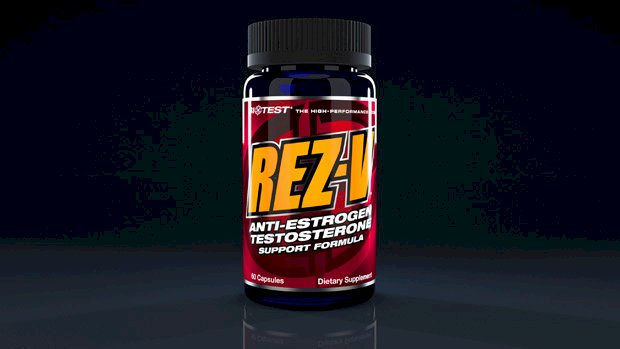
 Polyphenol Power The World Health Organization (WHO) figures that in any given year, around 50% of the premature deaths that occur are because of non-communicable diseases, with about 75% of those deaths directly attributable to cancer, cardiovascular disease, diabetes, and respiratory illness. Any way you look at it, that’s a whole lot of premature death, especially when the WHO (and just about anybody else with an IQ that has a fightin’ chance of hitting 3 digits) says we could take a large chunk out of that percentage by just eating more fruits and vegetables. If you’re like most people, your assumption is that these life-extending benefits of fruits and vegetables could be directly attributable to all the vitamins and minerals they contain. You’d be right… kind of. The thing is, these vitamins and minerals are generally pretty “easy” to get in modern societies, at least in the wealthier ones. They’re in all kinds of foods – not just fruits and vegetables – and a lot of our processed foods are fortified with those workhorse nutrients. What isn’t as easy to get, and what’s completely lacking in 90% of processed foods, fortified or not, is the class of substances known as polyphenols, which are a large subclass of phytochemicals present in fruits and vegetables that confer all kinds of health benefits to us. So if eating more fruits and vegetables is going to reduce the percentage of unnecessary deaths in the world by non-communicable diseases, it’ll be largely because of these polyphenols, the nutritional depths of which we’re only just beginning to explore. While the science of polyphenols in general is still in its infancy, there are a few individual polyphenols that have bushels of research on them, perhaps none more than resveratrol, a polyphenol found chiefly in the skin of grapes, red wine, and berries. In addition to having several health-enhancing attributes, resveratrol also has several physique-enhancing abilities, including the ability to lower estrogen levels while increasing testosterone levels. A Really Versatile Substance Here are a few of the things science has discovered about resveratrol: 1. Resveratrol increases testosterone levels. A Korean study found that the polyphenol increases levels of testosterone, along with improving sperm quality and motility. 2. Resveratrol acts as a potent estrogen antagonist (while also acting as an agonist in some tissues, similar to the drugs clomiphene and tamoxifen). In higher concentrations, resveratrol even acts as an aromatase inhibitor. That means it stops the male body from whittling away at testosterone levels. By parking its molecular body in estrogen’s receptor sites, the substance blocks estrogen and even environmental estrogens (xenoestrogens) from initiating certain types of transcription, an example of which would be the growth of male breasts. 3. Resveratrol improves blood vessel flow. It probably does this by modulating levels of NO (nitric oxide), which causes blood vessels to relax (which is also how many erectile dysfunction drugs work). 4. Resveratrol mimics calorie-restriction diets. You’ve no doubt read about how reducing your calorie intake to that of a squirrel on Weight Watchers has been theorized to delay aging. Well, the mechanism behind that aging-delay has to do with a protein called Sirtuin-1, whose job it is to promote efficient energy utilization. Cut calories and Sirtuin-1 levels go up and you live longer. Resveratrol has this same effect on Sirtuin-1 without cutting calories and has been shown in laboratory studies to extend the lifespan of several different species. 5. Resveratrol grows bigger muscles. One study has shown that resveratrol makes muscle fibers grow longer and thicker. The researchers, in their conclusions, wrote that “…resveratrol could control proliferation, start the myogenic process, and induce hypertrophy.” 6. Resveratrol improves insulin sensitivity and glucose disposal. Resveratrol lowers blood sugar in both Type 1 and Type 2 diabetics, increases glucose transport, improves insulin sensitivity, and protects pancreatic cells against inflammation. 7. Resveratrol puts the kibosh on cardiovascular disease. A number of studies have shown resveratrol to be anti-atherosclerotic, anti-hypertensive, anti-myocardial ischemia, anti-stroke, and anti-heart failure in general. It does all these things by increasing the bioavailability of nitric oxide (NO), positively affecting cholesterol and lipid profiles, reducing C-reactive protein, and acting as a powerful anti-inflammatory. 8. Resveratrol stymies Alzheimer’s. One of the things that contributes to Alzheimer’s is an excessive production of Reactive Oxygen Species (ROS), and resveratrol has been shown to weaken the damage from ROS, in addition to having anti-amyloidogenic properties (i.e., helping prevent the plaques that are a hallmark of the disease). 9. Resveratrol hates cancer. Resveratrol has been shown to inhibit cancer cell growth and
Origin: Boost Testosterone, Control Estrogen – Naturally
 All about sport xlsport.club