
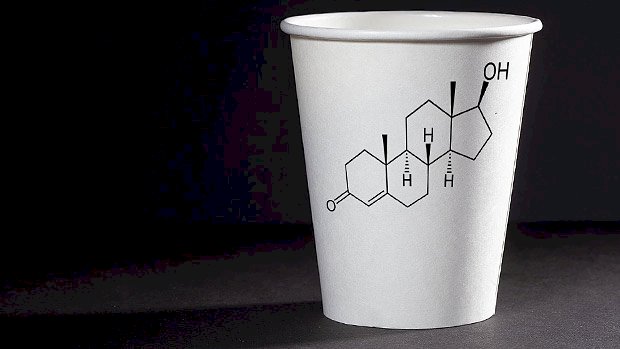
 The Healthiest Drink in the World That’s it. The contest is over. We knew coffee lowered the risk of heart disease, thwarted different types of cancer, protected your liver, lowered your risk of type 2 diabetes, and made you live longer in general, but the results of a new study cinch it. Coffee, I’m naming you the healthiest drink in the world. Granted, your previous accomplishments were all praiseworthy, but when the American Journal of Clinical Nutrition reported that drinking coffee has been found to elevate testosterone while simultaneously lowering estrogen in both men and women, I ordered the cake, rented out the local Moose Lodge, sent out all the invites, and blew up all the celebratory balloons for your coronation. What They Did Epidemiologists from Harvard University looked at data from 15,551 women and 7,397 men who’d participated in the Nurses’ Health Study and the Health Professionals Follow-Up study. They wanted to know how drinking coffee affected C-peptide levels, estrone, total and free estradiol, total and free testosterone, total adipokinectin, high-molecular-weight adipokinectin, leptin, C-reactive protein, interleukin 6, and soluble tumor necrosis factor receptor 2, among other things. What They Found Compared with non-drinkers, subjects who drank four or more cups of coffee a day had lower concentrations of estrone (-6.4%), total estradiol (-5.7%), and free estradiol (-8.1%), while displaying higher levels of free testosterone (7.3% in women and 3.6% in men), and total testosterone (9.3% in women and 5.3% in men). Levels of C-peptide, leptin, C-reactive protein, IL-6, and sTNFR-2 all went down too, while levels of the fat-burning hormome adipokinectin went up (9.3%). The effects were dose dependent, meaning that while one daily cup of coffee had some beneficial effects, two cups worked better and three worked better still, while four or more cups showed maximum benefits. Perhaps surprisingly, it didn’t seem to matter whether the participants were drinking caffeinated or decaffeinated coffee – the effects were largely similar. The researchers concluded the following: “Our data indicate that coffee consumption is associated with favorable profiles of numerous biomarkers in key metabolic and inflammatory pathways.” How to Use This Info So what is it about coffee that makes it so damn healthy to drink? It definitely has nothing to do with caffeine, as this study and numerous others – including at least one that measured the ergogenic benefits of coffee – found that the advantages were conveyed equally well by decaf coffees. Instead, it likely has something to do with the over 1,000 biologically active compounds found in the drink, but while many of them are highly anti-inflammatory and anti-oxidative, there’s one that appears to be particularly gifted in those areas. It’s known as chlorogenic acid, or CGA. Therefore it makes sense that we should seek out brews that are particularly rich in CGA. Here’s how to make sure you’re getting the stuff that raises testosterone and lowers estrogen the most: Opt for Kenyan, Ethiopian, or Columbian, because coffee beans grown at high altitudes and near the equator have the highest amount of CGA. If you’re buying grocery store brands, opt for Dunkin’ Donuts Original Blend and McCafe Premium Roast Decaf, medium roast. As far as general CGA guidelines, keep the following in mind: Flavored blends don’t usually have a high CGA content because they typically use low-quality, low CGA beans (the artificial flavor negates the need for good-tasting, high-CGA beans). Light and medium roast coffees preserve CGA, while dark roasts destroy them (along with generating undesirable byproducts like acrylamide, the carcinogen found in French fries and potato chips). Use fresh ground coffee beans when possible. Pre-ground versions usually lack flavor and are short on CGA. Very fine grinds are the most healthful, but also the most bitter. Medium grinds have an acceptable amount of
Origin: Tip: The Perfect Anabolic Drink
Tag: Drink?
Tip: Which Type of Milk Should You Drink?
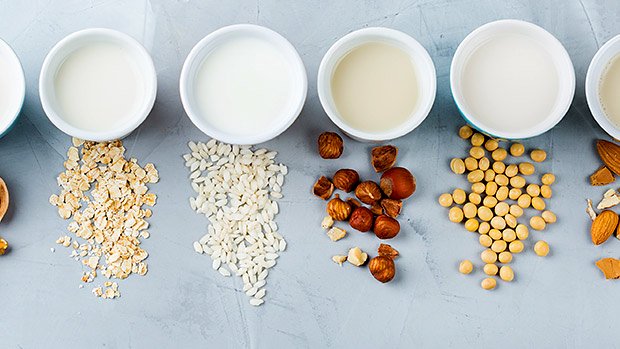 Let’s First Get One Thing Straight… Milk is what female mammals secrete to nourish their young, so calling the liquid you get by pulverizing any of various seeds, nuts, or fruits “milk” is hugely inaccurate. There are, after all, no soybeans, almonds, oats, or coconuts that lactate, even though the last one kind of looks like a hairy hooter. Regardless of what you call them, these plant-based juices are hugely popular. Just stand in line at your local Starbucks and see how many hamsters signal their nutritional virtue by ordering their lattes with one of these milk alternatives (as if replacing milk with a dollop of one of these sugar-saturated Frankenjuices is going to make a difference in their health). Any way you look at it, though, regular, whole-fat milk is nutritionally superior to all of the plant-based alternatives. There are, however, two completely valid reasons not to make milk your choice of liquid to pour on your cereal, mix in your protein drink, or whiten up your coffee – one, you’re vegan, which by definition rules out cow’s milk, or two, you’re lactose intolerant, in which case cow’s milk is your digestive enemy. I should also accept that many of you, because of pasteurization, the China Study, or maybe because it comes out of a cow’s lady parts, think that cow’s milk is what the devil dips his raspberry scones into and thus won’t touch it. Fine. Those delusions are, as they say, beyond the scope of this article. Regardless of your reasons, there’s one, possibly two, milk substitutes that make for a valid alternative to milk. They’re oat milk and cashew milk. A Bunch of Players But None of Them Starters The idea behind most plant-based milks sounds great. Sure, mash up some plant matter. Strain out the crap, add water, and fill up on pure plant nutrients, proteins, and fatty acids. Too bad it doesn’t really pan out that way. Take almond milk, for instance. It gives you none (or very little) of the benefits of almonds, which include proteins and good fats, and neither does it give you the benefits of regular milk since it lacks calcium. For one thing, each carton only contains a handful of almonds, and the handful in question is a wee, gnarled, arthritic thing that can only scoop up a couple of almonds without spilling them onto her orthopedic shoes. Not only that, but when you strain out the insoluble stuff from the “milk,” you lose most of the stuff you’d eat almonds for in the first place. Of course, manufacturers usually add calcium and vitamins A, D, and B-12 (along with a bunch of sugar, unless you get unsweetened variety), but you’re still getting very little protein – about 1 gram per cup, compared to about 8 grams for milk. It’s true, though, that almond milk is generally 50% lower in calories than cow’s milk since it lacks any significant amounts of fat and, since it’s not an animal product, it contains no saturated fat or cholesterol… if any of that matters to you. (Unsweetened almond milk is also virtually carb-free if that’s something you’re looking out for.) Few of the other milk substitutes fare much better as they each have their individual drawbacks. Pea protein milk is higher in protein than almost all of the others, but it’s not made with the whole pea and, as such, lacks the polyphenols that would make it a truly healthy drink. Plus, its second major ingredient is sunflower oil, which is rich in the omega 6 fatty acids that most of us already sop up too much of every day. Coconut milk tastes great as it’s just watered down coconut fat. It’s probably similar in nutritional value to some of the nut drinks, but it’s really calorie dense, especially if you choose a sweetened variety. Of course, if you want to cash in on MCT oils (of which all four varieties are present in coconut milk), drinking it is an okay strategy since approximately 60% of its fatty acid content is made up of MCTs. Soymilk, one of the pioneers of the genre, is higher in protein than some of the nut based milks, but it’s basically intolerable, taste-wise (unless you choose one that’s been sweetened up the wazoo), and it’s so pale and watery that I’m surprised they haven’t slapped a Coors label on it to expand their market. Another strike against soymilk is the possible presence of certain plant isoflavones that mimic estrogen and can, in the long run, create hormonal havoc in both men and women. That pretty much leaves us with oat milk and cashew nut milk. So Why Do Oat Milk and Cashew Nut Get a Pass? Most oat milks are made of nothing but oats, water (in the ratio of 1 cup of oats to three-fourths cup of water), sea salt, and a bit of rapeseed oil. Nutritionally, each cup has about 120 calories, 5 grams of fat, 16 grams of carbs (of which 7 are from naturally occurring sugars), 2 grams of fiber, and about 3 grams of protein. Compared to milk, that’s a little more sugar, a little less fat, and a lot less protein, but drinking milk alternatives for their protein is like eating rum
Origin: Tip: Which Type of Milk Should You Drink?
 All about sport xlsport.club