
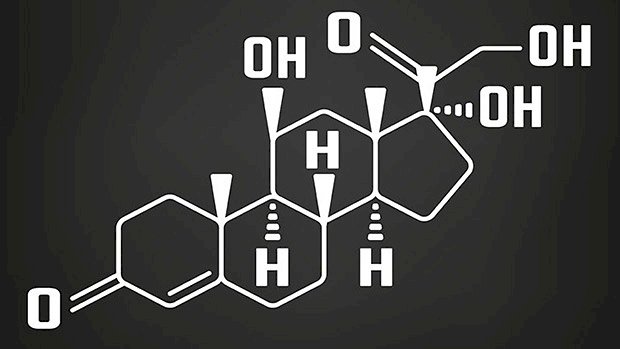
 Nutrition One of the functions of cortisol is to maintain a stable blood sugar level – cortisol increases it when it’s too low. One way of minimizing cortisol is… eating carbs! Or more specifically, maintaining a normal blood sugar level. That’s why I don’t like very low-carb diets for people who are chronically stressed. It can easily lead to chronic cortisol production. Sure, you can create glucose from amino acids to maintain a stable blood sugar level. Just because you go keto doesn’t mean you’ll be flooded with excess cortisol. But eating next to no carbs, especially if you’re very active, is likely to lead to higher cortisol levels. A super high-carb diet isn’t better though. It can lead to greater blood sugar swings. But certainly, consuming around 30% of your caloric intake from carbs, ideally low glycemic ones, will help keep cortisol under control. I especially like having carbs around workouts and in the evening to decrease cortisol (and adrenaline). You want to lower cortisol in the evening to facilitate sleep and recovery. Supplements There are many strategies you can use to keep cortisol at bay. You don’t want to completely kill it; you actually need it to train hard. But you must be able to bring it back down when needed. Use workout nutrition. Easily-absorbed carbs during workouts can reduce cortisol by providing fuel. If you have carbs already available, you won’t need to mobilize as much, which will mean there’s less of a need to produce cortisol.This is especially effective when you’re doing a higher volume training plan. Plazma™ is your best option here although Surge® Workout Fuel will also work, though it has fewer of the anabolic amino acids to fuel muscle growth. Use vitamin D. This is especially important during periods of high stress. Vitamin D reduces the impact cortisol has on the conversion of noradrenaline to adrenaline. While it might not directly decrease cortisol, it prevents excessive adrenaline production, which can help prevent CNS fatigue (dopamine or noradrenaline depletion or adrenergic desensitization). Take magnesium post-workout and in the evening. Magnesium decreases the binding of adrenaline to the adrenergic receptors and can help you calm down while protecting your beta-adrenergic receptors (keeping them sensitive). Use rhodiola in the morning. Rhodiola helps keep the stimulatory and inhibitory neurotransmitters in balance and can lower cortisol. I like glycine post-workout and in the evening. Glycine is a neurological inhibitor. It slows the nervous system down when it’s too amped up, which by extension decreases cortisol and adrenaline. Furthermore, glycine increases circulating serotonin (the feel-good neurotransmitter and the mood balancer) and activates mTOR, which will increase the protein synthesis from the workout. For sleep, use Z-12™. It increases serotonin and GABA (gamma-Aminobutyric acid). These two inhibitory neurotransmitters will allow you to have a more restful night, allowing you to restore a more normal cortisol circadian rhythm, dropping it low when it’s needed most.
Origin: Tip: Foods and Supplements That Control Cortisol
Tag: Cortisol
The Best Damn Cortisol Article Ever
 Cortisol is like the boogeyman. To scare lifters away from doing extreme things, we tell them that cortisol will eat their gains. While there’s some truth to that, it’s not the whole picture. Believe it or not, there’s no hormone in the body whose purpose is to destroy the body. Cortisol has many key functions, but sometimes the hormone causes a little collateral damage when it comes to looking good naked. Let’s take a closer look. The Functions of Cortisol I call cortisol the “readiness hormone” rather than the stress hormone. Its main purpose is to make sure you’ll be capable of facing any potentially threatening situation. It increases wakefulness, focus, energy, and drive. It does so by raising adrenaline. Cortisol increases the level and activity of an enzyme called Phenylethanolamine-N-methyltransferase (PNMT). This enzyme converts noradrenaline into adrenaline. It’s through this action that cortisol increases adrenaline, which has a direct impact on your state of mind. It increases heart contraction strength and rate. This helps with oxygen transport to muscle and the clearance of metabolites. This is also done via the increase in adrenaline. It increases muscle contraction strength. This is the third impact of increased adrenaline. It mobilizes stored energy. It does so to keep you from running out of fuel when you’re fighting a sabre-toothed tiger or fleeing from it. This is a non-selective process, meaning that all potential energy sources can be broken down and mobilized by cortisol: muscle and liver glycogen, fatty acids from body fat, and amino acids from muscle tissue. It helps you maintain stable blood sugar levels. It increases blood sugar when it’s too low (along with glucagon and growth hormone). It inhibits the immune system. This happens so you’ll have more resources to fight the enemy. Just like in Star Trek when the captain would say, “Divert all available energy to the deflector shields” in the midst of a battle, the body does the same when cortisol tells the body it’s facing danger. For example, during times of fight the immune system will be inhibited. As soon as cortisol goes down, it’ll be brought back to full force to repair the damage from the battle. Note: You can’t dissociate cortisol from one of its functions. When it’s elevated, all of the six things above will happen. So, cortisol is actually quite necessary. It’s essential to have a boost in cortisol when you’re fighting a tiger, deadlifting a PR, or trying to tackle a running back. But if it stays elevated for too long it can have negative effects. Let’s take a look at how that affects our muscle growth, fat loss, recovery, and well-being. Cortisol and Muscle Growth When cortisol becomes chronically elevated it can severely hurt muscle growth via several mechanisms: It directly increases muscle breakdown. The amount of muscle you build depends on the difference between protein breakdown (catabolism) and protein synthesis (anabolism). If you increase protein breakdown (which cortisol does) it becomes a lot harder to be in a significantly positive balance. It decreases nutrient uptake by the muscles. This makes it harder to shuttle amino acids to the muscle to build new tissue and restore muscle glycogen stores. It increases myostatin. Myostatin is a myokine (protein) released by the muscles which limits muscle growth. The more myostatin you produce, the less muscle you can build. By increasing myostatin, chronic cortisol elevation will limit your potential for growth. Over time it can decrease testosterone levels. Testosterone and cortisol are both made from pregnenolone. If you overproduce cortisol, you can decrease the amount of available pregnenolone that would otherwise make testosterone. It slows muscle tissue repair. Repairing damaged muscle tissue after a training session is heavily dependent on the immune system. Chronic cortisol elevation weakens the immune system making muscle damage repair less efficient. Note that after a workout, protein synthesis is elevated above baseline for 24-36 hours (although significantly only for 24-30 hours). This is the timeframe you have to repair the damage and add new tissue. If your immune system is weak, it might take you the full duration just to repair the damage you caused. This means you don’t have time in that enhanced state to add muscle. It’s a predicament that can make muscle growth a very slow process. Cortisol and Fat Loss If you’re familiar with coach Poliquin’s body composition analysis approach (biosignature, bioprint, metabolic analytics) you know the system claims that excess cortisol leads to abdominal fat storage. But if you remember what the functions of cortisol are, you might see a contradiction here. After all, one of the functions of cortisol is to mobilize stored energy (including fat), not store it. Cortisol is, in fact, a fat loss hormone, at least when produced in a pulsatile manner. But that doesn’t mean chronic cortisol can’t
Origin: The Best Damn Cortisol Article Ever
 All about sport xlsport.club