
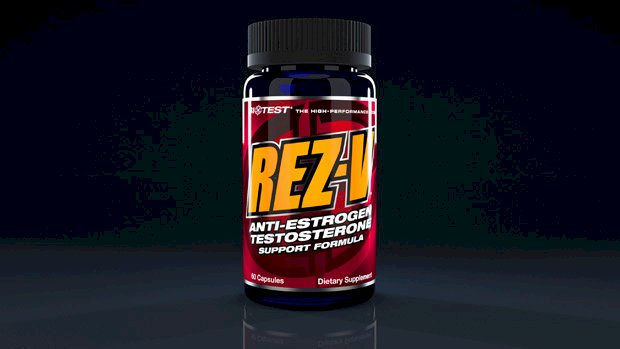
 Polyphenol Power The World Health Organization (WHO) figures that in any given year, around 50% of the premature deaths that occur are because of non-communicable diseases, with about 75% of those deaths directly attributable to cancer, cardiovascular disease, diabetes, and respiratory illness. Any way you look at it, that’s a whole lot of premature death, especially when the WHO (and just about anybody else with an IQ that has a fightin’ chance of hitting 3 digits) says we could take a large chunk out of that percentage by just eating more fruits and vegetables. If you’re like most people, your assumption is that these life-extending benefits of fruits and vegetables could be directly attributable to all the vitamins and minerals they contain. You’d be right… kind of. The thing is, these vitamins and minerals are generally pretty “easy” to get in modern societies, at least in the wealthier ones. They’re in all kinds of foods – not just fruits and vegetables – and a lot of our processed foods are fortified with those workhorse nutrients. What isn’t as easy to get, and what’s completely lacking in 90% of processed foods, fortified or not, is the class of substances known as polyphenols, which are a large subclass of phytochemicals present in fruits and vegetables that confer all kinds of health benefits to us. So if eating more fruits and vegetables is going to reduce the percentage of unnecessary deaths in the world by non-communicable diseases, it’ll be largely because of these polyphenols, the nutritional depths of which we’re only just beginning to explore. While the science of polyphenols in general is still in its infancy, there are a few individual polyphenols that have bushels of research on them, perhaps none more than resveratrol, a polyphenol found chiefly in the skin of grapes, red wine, and berries. In addition to having several health-enhancing attributes, resveratrol also has several physique-enhancing abilities, including the ability to lower estrogen levels while increasing testosterone levels. A Really Versatile Substance Here are a few of the things science has discovered about resveratrol: 1. Resveratrol increases testosterone levels. A Korean study found that the polyphenol increases levels of testosterone, along with improving sperm quality and motility. 2. Resveratrol acts as a potent estrogen antagonist (while also acting as an agonist in some tissues, similar to the drugs clomiphene and tamoxifen). In higher concentrations, resveratrol even acts as an aromatase inhibitor. That means it stops the male body from whittling away at testosterone levels. By parking its molecular body in estrogen’s receptor sites, the substance blocks estrogen and even environmental estrogens (xenoestrogens) from initiating certain types of transcription, an example of which would be the growth of male breasts. 3. Resveratrol improves blood vessel flow. It probably does this by modulating levels of NO (nitric oxide), which causes blood vessels to relax (which is also how many erectile dysfunction drugs work). 4. Resveratrol mimics calorie-restriction diets. You’ve no doubt read about how reducing your calorie intake to that of a squirrel on Weight Watchers has been theorized to delay aging. Well, the mechanism behind that aging-delay has to do with a protein called Sirtuin-1, whose job it is to promote efficient energy utilization. Cut calories and Sirtuin-1 levels go up and you live longer. Resveratrol has this same effect on Sirtuin-1 without cutting calories and has been shown in laboratory studies to extend the lifespan of several different species. 5. Resveratrol grows bigger muscles. One study has shown that resveratrol makes muscle fibers grow longer and thicker. The researchers, in their conclusions, wrote that “…resveratrol could control proliferation, start the myogenic process, and induce hypertrophy.” 6. Resveratrol improves insulin sensitivity and glucose disposal. Resveratrol lowers blood sugar in both Type 1 and Type 2 diabetics, increases glucose transport, improves insulin sensitivity, and protects pancreatic cells against inflammation. 7. Resveratrol puts the kibosh on cardiovascular disease. A number of studies have shown resveratrol to be anti-atherosclerotic, anti-hypertensive, anti-myocardial ischemia, anti-stroke, and anti-heart failure in general. It does all these things by increasing the bioavailability of nitric oxide (NO), positively affecting cholesterol and lipid profiles, reducing C-reactive protein, and acting as a powerful anti-inflammatory. 8. Resveratrol stymies Alzheimer’s. One of the things that contributes to Alzheimer’s is an excessive production of Reactive Oxygen Species (ROS), and resveratrol has been shown to weaken the damage from ROS, in addition to having anti-amyloidogenic properties (i.e., helping prevent the plaques that are a hallmark of the disease). 9. Resveratrol hates cancer. Resveratrol has been shown to inhibit cancer cell growth and
Origin: Boost Testosterone, Control Estrogen – Naturally
Tag: Control
Tip: Foods and Supplements That Control Cortisol
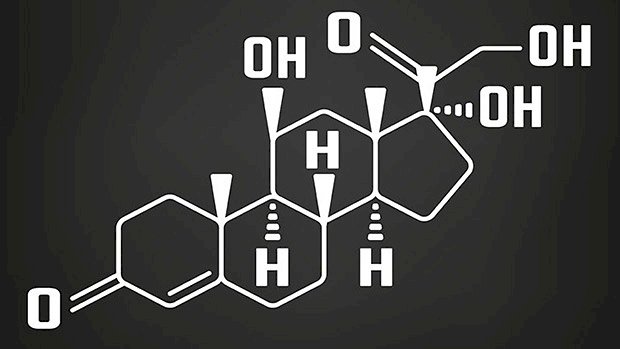 Nutrition One of the functions of cortisol is to maintain a stable blood sugar level – cortisol increases it when it’s too low. One way of minimizing cortisol is… eating carbs! Or more specifically, maintaining a normal blood sugar level. That’s why I don’t like very low-carb diets for people who are chronically stressed. It can easily lead to chronic cortisol production. Sure, you can create glucose from amino acids to maintain a stable blood sugar level. Just because you go keto doesn’t mean you’ll be flooded with excess cortisol. But eating next to no carbs, especially if you’re very active, is likely to lead to higher cortisol levels. A super high-carb diet isn’t better though. It can lead to greater blood sugar swings. But certainly, consuming around 30% of your caloric intake from carbs, ideally low glycemic ones, will help keep cortisol under control. I especially like having carbs around workouts and in the evening to decrease cortisol (and adrenaline). You want to lower cortisol in the evening to facilitate sleep and recovery. Supplements There are many strategies you can use to keep cortisol at bay. You don’t want to completely kill it; you actually need it to train hard. But you must be able to bring it back down when needed. Use workout nutrition. Easily-absorbed carbs during workouts can reduce cortisol by providing fuel. If you have carbs already available, you won’t need to mobilize as much, which will mean there’s less of a need to produce cortisol.This is especially effective when you’re doing a higher volume training plan. Plazma™ is your best option here although Surge® Workout Fuel will also work, though it has fewer of the anabolic amino acids to fuel muscle growth. Use vitamin D. This is especially important during periods of high stress. Vitamin D reduces the impact cortisol has on the conversion of noradrenaline to adrenaline. While it might not directly decrease cortisol, it prevents excessive adrenaline production, which can help prevent CNS fatigue (dopamine or noradrenaline depletion or adrenergic desensitization). Take magnesium post-workout and in the evening. Magnesium decreases the binding of adrenaline to the adrenergic receptors and can help you calm down while protecting your beta-adrenergic receptors (keeping them sensitive). Use rhodiola in the morning. Rhodiola helps keep the stimulatory and inhibitory neurotransmitters in balance and can lower cortisol. I like glycine post-workout and in the evening. Glycine is a neurological inhibitor. It slows the nervous system down when it’s too amped up, which by extension decreases cortisol and adrenaline. Furthermore, glycine increases circulating serotonin (the feel-good neurotransmitter and the mood balancer) and activates mTOR, which will increase the protein synthesis from the workout. For sleep, use Z-12™. It increases serotonin and GABA (gamma-Aminobutyric acid). These two inhibitory neurotransmitters will allow you to have a more restful night, allowing you to restore a more normal cortisol circadian rhythm, dropping it low when it’s needed most.
Origin: Tip: Foods and Supplements That Control Cortisol
3 Ways to Control Insulin and Get Jacked
 Here’s what you need to know… Insulin is an anabolic hormone. Some people think that it only causes fat storage, but it also increases muscle growth. Insulin sensitivity in muscle is key. It will allow you to build more muscle and get lean. Exercise, diet, and certain supplements can improve insulin sensitivity. Two weeks is all it takes to start seeing benefits. Insulin gets a bad rap, but it’s simply a hormone the body makes in response to the food we eat. It can either help us store the energy we get from food in muscle cells (good) or in fat cells (not good). The more muscle you have –and the more insulin sensitive that muscle is –the greater capacity you’ll have to store muscle glycogen. Ideally, you’ll store more of what you eat as muscle while also getting leaner, i.e. reducing the amount of fat you’re storing. Impossible? Nope, you can change your body composition by changing your insulin sensitivity. And you can change your insulin sensitivity with these three tools. 1 – How to Control Insulin with Food Insulin regulates our metabolism and is released in greatest amounts when we eat. This is to our benefit depending on when, what, and how we’re eating. Some think that avoiding carbs is the key to leanness, but cutting them altogether makes muscle glycogen synthesis more difficult. And if you play sports or care about your lifting performance, then it’ll keep you from maximizing your potential. Carbs are a fast acting bioenergetic fuel source. Sure, an unnecessarily high carb intake throughout the day isn’t without consequence. It may even make you more insulin resistant depending on how excessive it is. Instead, consume the majority of your carbs around the time of your workout when you’ll need and use them most. Get Adequate Fiber, But Not Around Workouts: Increased fiber intake has been shown to have blood glucose lowering effects and may increase total body insulin sensitivity. The only caveat? Don’t have your high fiber meal around workout time. That’s when you’d want to have a greater insulin spike so that your workout nutrition can be directed to your muscle cells. Eat Slower: Multiple studies have shown that faster eaters are also more insulin resistant. These studies even accounted for factors like genetic predisposition, BMI, caloric intake, waist circumference, and triglyceride levels. Fast eating has been linked with obesity and it’s believed that speed eating makes it more difficult for your appetite suppressing hormones to take effect, which ultimately affects insulin’s ability to do its job. 2 – How to Control Insulin with Exercise Exercise is the antidote for raising insulin sensitivity in muscle cells. Studies show that a single workout can increase your insulin sensitivity for at least 16 hours post training. Both strength training and conditioning have been shown to make significant improvements to our insulin sensitivity in a short amount of time. Strength Training: Researchers have found that both insulin sensitivity and glucose uptake capacity in muscles increases with resistance training. Storing glycogen in the muscle cells is a gift that keeps on giving. As you train, you use your muscles, they use up the glycogen, you burn more total calories, and then when you eat you replace that depleted glycogen with more energy for later use. Add some glycogen-depleting finishers to your normal strength training: Timed kettlebell swings, snatches, clean and jerks CrossFit WODs Supersets Circuit training AMRAP (as many reps as possible) bodyweight exercises Conditioning: Both long, slow cardio and fast, intense cardio have their place in improving insulin sensitivity. And the improvements come quickly. One study showed that just two weeks of high intensity exercise (4-6 sets of 30 second sprints) made subjects significantly improve their insulin sensitivity. Researchers have found that aerobic exercise (in the zone-2 cardio range, 65-75 percent of VO2 Max) has been shown to improve insulin sensitivity. Their studies show that this happened through the activation of AMPK (AMP activated protein kinase), an enzyme involved in glucose and lipid metabolism. Likewise, high intensity exercise (greater than 80 percent of VO2 max) has been shown to improve insulin sensitivity and lower blood glucose for up to 1-3 days post exercise. Try intervals with these for a high intensity insulin sensitivity boosting workout. Incorporate 5 sets of 30 second intervals a few times a week into your program. Hill sprints Prowler pushes Jump rope Rowing ergometer Battling ropes 3 – How to Control Insulin with Supplementation You can also improve insulin sensitivity with proper supplementation. Although these substances can be found in food sources, it’s easier to get a potent and condensed source from supplementing. In fact, you may not even get the benefits without using a concentrated supplement. Cyanide 3-Glucoside: C3G comes from a powerful chemical from nature called anthocyanin. It’s
Origin: 3 Ways to Control Insulin and Get Jacked
 All about sport xlsport.club