
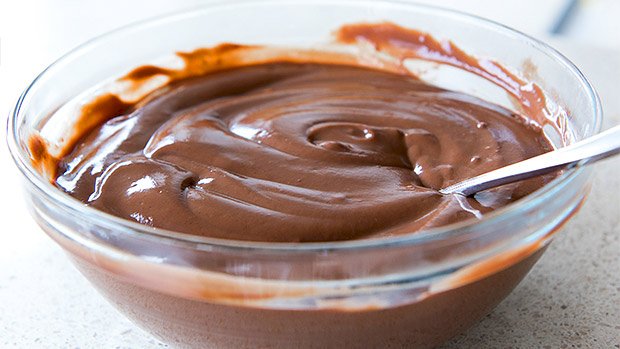
 Is Nighttime Eating Bad? Yes and, um, no. The devil is in the details, or in this case, the devil is in the macronutrient makeup of your pre-bed snacks. Previous studies on nighttime eating paint an ugly picture. Eating a late-night meal or big snack before bed leads to more fat gain. (See: The Meal That Damages Metabolism.) In short, fat metabolism is impaired. Eating more before bed (as opposed to earlier in the day) also raises insulin, fasting glucose, and triglyceride levels, which adds up to a negative metabolic profile (1). Even if those Netflix snacks fit into your caloric limits for the day, the body just doesn’t seem to “handle” those calories as well, which might lead to a disruption of your appetite-controlling hormones. But these studies were usually conducted using “average people food.” And the average person is chubby and makes really crappy food choices. So what happens if you switch out the carby or fatty snacks for pure protein? New research published in The Journal of Nutrition sheds some light. The Study Researchers gathered up a bunch of weight-training women for this study. In one experimental condition, the buff women consumed a casein-containing protein shake (30 grams of protein) during the day. In the second condition, they consumed the same protein shake 30 minutes before going to bed. The researchers dragged out all their fancy machines for this one and used various methods to measure overnight fat oxidation and subcutaneous abdominal adipose tissue (belly fat) metabolism. The Results The protein shake did not blunt overnight lipolysis (the breakdown of fats) and was not expected to increase subcutaneous abdominal fat (2). The lead scientist summarized by saying, “Essentially, you can eat protein before bed and not disturb fat metabolism.” Important Details The 30-gram protein shake did not contain a significant amount of fat or carbohydrate. So if you want to switch out your normal, metabolism-disrupting snack for a shake, be sure to use a low-carb protein powder that contains a lot of casein, preferable micellar casein like that found in Metabolic Drive® Protein®. The test subjects were resistance-trained women, though this should apply to men too. If you’re not lifting weights, this info may not apply. Try This Drinking a protein shake while watching TV at night doesn’t feel much like snacking. Here’s how to change that: Mix one or two scoops of Metabolic Drive® Protein into a very small amount of water or unsweetened almond milk. You want it to be very thick and creamy, like pudding or yogurt. Partially freeze your protein goop. About 15-30 minutes should do it. Eat it with a spoon. It’s damn close to pudding or soft-serve ice cream and feels a lot more “snacky” and satisfying than just chugging a shake.
Origin: Tip: Eat This Before Bed and Stay Lean
Tag: Before
7 Things No One Tells You Before You Start Lifting
 All of us who lift weights or bodybuild know things, painful things, about lifting that we normally don’t share with beginners because, frankly, no one ever filled us in on these secrets beforehand and we’re all still pretty chafed about it. But I’m feeling uncharacteristically nice today, so if any of you out there are thinking about taking up lifting, here are a few of the distressing truths you’ll soon come to realize. 1 – You’ll only really look good for a month or two a year… probably in summer. No one ever bothers to tell you that the guys pictured on bodybuilding websites don’t normally look all ripped. Most of the time, they look like Fat Thor, or that their high school nickname was Billy Bob and Coach Kilmer wanted them to play in the big game for West Canaan, even though Billy Bob has a concussion. It’s only when they get ready for a contest or, if they’re amateurs, when they get ready for summer that they start to get the body of pre-Thanos Thor. That’ll probably be you too, because walking around all year-round with body fat in the single digits is about as easy as running a marathon every day while wearing one of those goofy T-Rex suits and carrying a serving set of tea cups. But hey, two months of looking good is better than zero months of looking good. 2 – You’ll get to know what being old feels like, years before it actually happens. Let me clarify this a bit. You’ll feel fine, even great, once you’ve been lifting weights for a while… as long as you’re sitting perfectly still. If you are moving, well hello old guy who does commercials for those walk-in bathtubs! You won’t just “get up” in the morning. You’ll be so achy from lifting that you’ll actually have to unfurl yourself out of bed, once piece at a time like some cheap piece of mass-produced furniture from IKEA. Some parts will wake up faster than others, but until all your decrepit joints are in sync, you’ll do a kind of an answering-the-phone-with-your-pants-around-your-ankles walk that would cause an Elementary school administrator to pull over and offer you the custodial job recently vacated by the passing of Dale, the funny-in-the-head janitor who died last Tuesday. But it’s all worth it, of course. 3 – People will assume you’re stupid. Once you start filling out your T-shirt with muscle, people will assume your brain is inversely proportional to your degree of muscle. You’ll be regarded much the same way as Fran, the squeaky voiced, large-breasted but dim-witted hooker in that 80’s movie, The Man With Two Brains: Dr. Michael Hfuhruhurr (Steve Martin):I can’t. Fran:Can’t what? Dr. Michael Hfuhruhurr:I can’t inject you with window cleaner. Fran:I don’t mind. Hey, what does it do anyway? Dr. Michael Hfuhruhurr:It causes your brain to die. Fran: I don’t mind. No one will take you seriously about anything, unless it has to do with the bench press or protein requirements. And if you do say something smart, people will be thunderstruck. They’ll regard you the same they would if they met a chimp who learned how to use the toilet, or some four-year old who learned the lyrics to Itsy-Bitsy Spider. It’ll all feel pretty demeaning. 4 – You’ll start looking for any excuse to take off your shirt. There’ll come a time – probably a few months after you start training – that you’ll start feeling a little cocky about your new body. You’ll be like some fool who learned a few words of Spanish and then looks for any excuse to go to a Mexican restaurant to proudly exclaim “Muy bueno!” when the doesn’t-give-a-shit waitress comes to clear his plate away. But instead of showing off your linguistic aptitude, you’ll start showing off your torso by taking off your shirt in front of an audience whenever there’s any excuse to do so, whether the thermometer inched up to a sweltering 71 degrees or you just need to push the trash dumpster out to the street. It’ll take all your restraint not to strip off your suit jacket and shirt at a funeral because carrying that casket would really make your delts pop. Likewise, you’ll never again pass a mirror, window, or back of a shiny spoon without catching an admiring glimpse of your wonderfulness. It’s pretty sad, but like I said, it’s all worth it. 5 – You’ll never again eat anything that tastes good. You poor bastard. You’re now going to eat for both muscular size AND fat loss, a Houdini-like nutritional trick that, while not impossible, is kind of like going camping and trying to start a campfire underwater on the bottom of Lake Winnibigoshish. Besides that, your diet isn’t going to have a lot of variety. Let’s put it this way: You know how you’ve been feeding the family dog the same kibble every day for his whole life? Well, next to your new, bodybuilding diet, the dog’s diet is a wild, gastro-fusional delight that does the cha-cha on the tongue. Everything you eat from now on until you set down your last dumbbell is going to be from a painfully short list of standard high protein, low-carb,
Origin: 7 Things No One Tells You Before You Start Lifting
Tip: The Exercise To Do Before Deadlifting
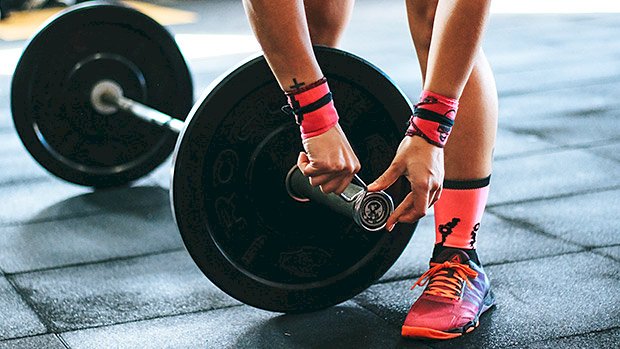 Many lifters have trouble engaging their hamstrings when deadlifting. They lack “hamstring awareness.” This usually ends up going one of two ways: They don’t feel like they’re getting any benefits from it and decide deadlifting isn’t for them… which is hugely upsetting. They carry on anyway, their form breaks down easily, and they put up with constant back pain after every deadlift session. If you’re someone who struggles with one of these issues, here’s a great way to become more aware of the hamstrings AND make them infinitely stronger. The Hamstring Slider Place a few furniture sliders or similar on a smooth surface and press your heels into the ground to lift yourself up as much as you can. Now curl your legs up towards you while keeping your hips completely extended. This exercise leaves no room for compensation. If you do them right you can’t avoid feeling your hamstrings. The harder these are for you, the less hamstring awareness you have. Ideally, everyone should aim to build themselves up to doing 3 sets of 15 reps with minimal rest. Use this exercise as a deadlift warm-up and primer. After, set up for your deadlift and see if you can you use your hips in a way that makes you feel aware of your hamstrings before you lift. It’s very important to have this feeling nailed down; many people can look like their back is straight when actually their lower back is doing a ton more work than it should. Building good hamstring strength and awareness now will help you keep making gains in the long
Origin: Tip: The Exercise To Do Before Deadlifting
Tip: Do This Before a Squat PR Attempt
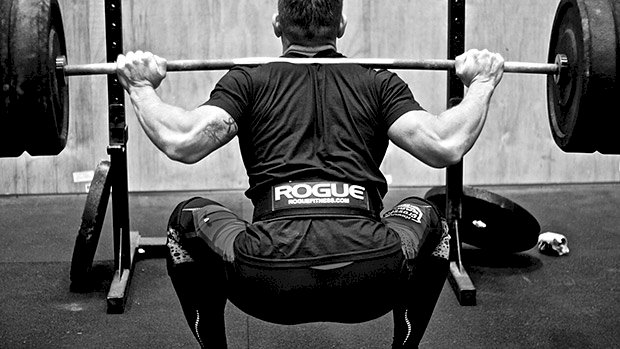 Ready to attempt a new squat PR? Or maybe the plan is to just work up to heavy sets of 3 reps? Well, the worst thing you can do is knock out a few warm-ups sets then go for the big one. To pull off a great back squat, you need to have a tightly squeezed back, a well braced core, and fully firing glutes. Do these three exercises first to make sure your body is primed and ready. Exercise 1: Wide-Grip Lat Pulldown The back squat requires a ton of upper back tightness to distribute force into the bar effectively. And you need a decent amount of shoulder mobility to put you into a position where you can get tight. To squat effectively, you should be squeezing your lats and pulling the bar down into the upper back to keep your torso as tight as possible. Performing some light reps with a wide-grip lat pulldown will not only activate your lats, it’ll also prep your shoulders for the motion needed to pull the bar into your back. You don’t need to go super heavy on these. Just do few sets of 8-12 reps. Exercise 2: Dead Bug The dead bug helps you practice bracing your core. This movement, much like the squat, requires that your core stabilize your lower back while your limbs move. Doing this before your first set of squats teaches you to activate your deep core stabilizers that keep your body from crumpling while under a heavy load. When you do this movement, contract intensely. Do NOT be lackadaisical. Imagine that a motorcycle is about to run over your midsection and you have no choice but to brace. That is how hard you should be bearing down on each rep. Fewer reps are better than a lot of reps as long as they’re done with intensity. Exercise 3: Banded Squats Few people use bands when doing their warm-up sets, but they should try it. Placing a “Slingshot” or hip circle just above the knees is a great way to get extra glute activation before you go for your heavy lift. Having the band around your knees forces you to drive them outward and helps you figure out how to “spread the floor” to get your butt to work for you. Since your glutes are the most powerful muscle in your body, it’s essential you get them firing before going for your big
Origin: Tip: Do This Before a Squat PR Attempt
Tip: Do This Before Heavy Squats
 This exercise fires up the CNS and recruits a ton of muscle fibers. It’s a great primer exercise that’ll prepare any lifter for a big squat session. The Goblet Jump Squat The most common types of jump squats come with their own set of problems that you won’t have with this version: The barbell jump squat often results in compromised mechanics because of the bar that lands on the spine, which can cause the knees to cave at the bottom of the rep. Even landing properly with a barbell on your back leads to unnecessary stress with each jump. Holding the dumbbells by your side is the most common dumbbell squat jump but it comes with some problems. When you hold the dumbbells by your sides you end up internally rotating your legs to provide room for the dumbbells. Then the knees cave in slightly at the bottom of each rep. This becomes an even bigger issue as you progress to heavier (larger) dumbbells. The Goblet Jump Squat is Better You could load goblet jump squats with any size dumbbell without compromising your mechanics. The front-loading also takes stress off the spine. Weighted jumps are crucial for explosive athletes. Try 3 sets of 5 before your next leg
Origin: Tip: Do This Before Heavy Squats
Tip: Do This Medball Exercise Before Squats
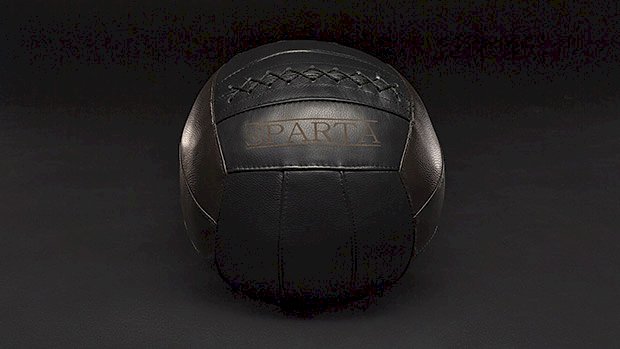 Doing an explosive exercise prior to lifting fires up your CNS and gets your body physically ready to lift hard and heavy. Olympic lifting variations are often used, but here’s one that almost anyone can do: the medball thruster. This exercise works great before squatting. Make sure you drive your knees out as you squat down. Utilize the stretch reflex (the bounce you feel at the bottom of the squat) to rocket your body back into a standing position. Once you reach this standing position, continue to explode up while forcefully extending the
Origin: Tip: Do This Medball Exercise Before Squats
Tip: Pull Before You Push and Pull More Often
 You need to keep a balance between pulling exercises (rows, pull-ups etc.) and pushing exercises (bench press etc.) If you don’t pay attention to that balance, you’re setting yourself up for bad posture, muscle tightness, and even joint pain. Train Your Back More People usually remember to get their back workout in to counter their chest or shoulder workout they did earlier in the week. But it doesn’t end there. Not even close. Due to our lifestyles, a 1:1 ratio isn’t enough when it comes to creating and promoting – and in many cases, restoring – balance among the muscles. It means training the back more frequently, with more volume, and for higher rep ranges than we generally do with our anterior muscles. Pull Before You Push There’s more. When you do an upper body workout that contains both front and back side muscle groups, program the pull exercises first, before doing the push exercises. Why? Scapular stability. Doing your pull-ups before doing your overhead presses, or your rows before bench presses, will create a much more stable shoulder environment for the second of the two exercises. Your rotator cuff muscles attach to your scapulae, and increasing blood flow and tightness to that region will do plenty to give the shoulder joint enough support to steer clear of unwanted injuries or general instability. It also means pain-free pressing. Even if you’re doing a straight pressing workout, prime the shoulders to bear load by stabilizing them with a couple of high-rep sets of rows of any variation, using any means of resistance – dumbbells, cables, or even bands. The goal is just to get the upper back to start feeling a mild pump and get activated. Pull Day Before Push Day Program a pull day before a push day in your weekly program cycle. If you’re already training back (or pull exercises) more than once weekly, just make sure at least ONE of those pull workouts is programmed before your major pressing workout. Tough workouts can produce DOMS (delayed onset muscle soreness), which can decrease range of motion or flexibility of the muscles. Take advantage of that restriction by getting the upper back muscles mildly sore before a chest workout. This won’t affect your chest or pushing work. The ROM inhibition can have the same effect on shoulder stability specific to heavy
Origin: Tip: Pull Before You Push and Pull More Often
 All about sport xlsport.club