
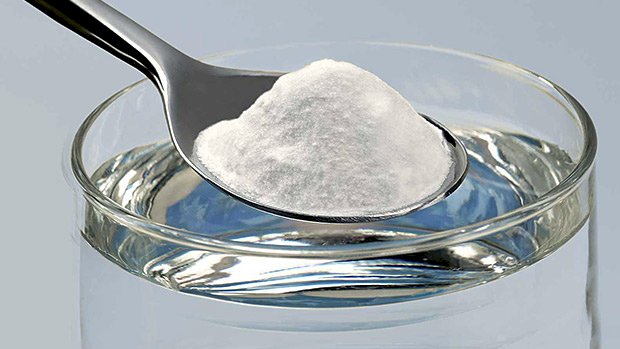
 We’ve already established that creatine isn’t just a bodybuilding supplement and that nearly everyone from young to old could potentially benefit from its regular use. It’s been shown to strengthen heart function, possibly deter Alzheimer’s and other neurodegenerative diseases, lower blood sugar, aid in the repair of bone, prevent arthritis, reduce fat accumulation in the liver, help people with fibromyalgia, lower blood sugar, and yes, grow muscle in athletes. The way its list of effects is growing, I wouldn’t be surprised if it turned out to cure dogs of mange, take stains out of corduroy, and ward off vampires. Speculative benefits aside, it’s recently been found to have a new, hugely exciting super power. Researchers from UCLA have found that creatine can act as a “molecular battery” for immune cells by storing and distributing energy to fuel their fight against cancer. Creatine and Killer T Cells Dr. Lili Yang, head of the research team that made the discovery, found that creatine uptake is crucial to the anti-tumor activities of CD8T cells, which are also known by the decidedly much cooler name, killer T cells. When these killer T cells are called into action to fight a tumor, they have to compete with fast-growing tumor cells for metabolic resources like glucose, amino acids, and lipids. Without an adequate supply of these resources, these killer T cells are literally marching off to war without breakfast… and a hungry army can only go so far. Creatine, however, supplies these T cells with critical levels of ATP (the energy currency of the cell), thus enabling them to fight with continued fury. What the Researchers Did Yang and her researchers engineered mice so that their killer T cells were deficient in the gene that’s responsible for creating creatine transporter molecules. That means that their T cells couldn’t take creatine in and were consequently far less capable of fighting tumors. However, when they received creatine supplementation (either oral or IV), their T cells found new life and regained their cancer-fighting mojo. They then tried giving creatine to non-engineered mice with normal transporter molecules and found that they too became more efficient at fighting colon cancer and melanoma tumors. “…these findings suggest that killer T cells really do need creatine to fight cancer,” said Yang, in a press release. “Without it, they simply can’t do their jobs effectively.” There’s more good news, too. The beneficial effects didn’t require the use of creatine doses that would bloat a buffalo. The amount they gave to the mice was comparable to the doses recommended for athletes and bodybuilders. The Broader Implications While Yang and her colleagues found that creatine was effective in fighting colon cancer tumors and melanoma, she speculated that the treatment could be of use in fighting many different types of cancer. Furthermore, she thought that creatine could be combined with many other current cancer therapeutic modalities, as well as traditional chemotherapies and radiation therapies. How Best to Use Creatine If you’re already using creatine to increase athletic performance or grow more muscle, great. You can take some satisfaction in knowing that it’s also doing your body a whole lot of good. However, if you’re not an athlete and you’ve never dreamed of taking creatine, you should give strong consideration to adding it to your list of mandatory daily health supplements, right up there with your vitamins, fish oil, and fiber. There’s just too much good research out there to ignore. Creatine’s a little different than most supplements, though, in that you have to “load up,” which is just a way of saying that it takes several days for your cells to reach maximum storage capacity. A lot of bodybuilders choose to load up on creatine by taking 5 grams four times a day for 5 to 7 days and then continuing at a dosage of 3 to 5 grams, but there’s a much easier way to do it. Just take about 5 grams a day, every day. By the time 30 days have passed, you’ll most likely have reached maximum cellular storage capacity, at which point you can just continue with taking 3 to 5 grams a day. Make sure you use a micronized version where the grains are absorbed better than brands sold by the big box stores or your local drugstore.
Origin: Tip: Another Jaw-Dropping Benefit of Creatine
Tag: Another
Tip: Another Reason to Avoid Low-Fat Milk
 First off, let me dispel some of the usual crap you hear about milk in general: The China Study This milk-shaking and oft-referred to study reported that casein, the primary protein in milk, causes cancer, but that doesn’t hold up when you look closely at epidemiological studies. Besides, there’s a lot of casein in mother’s milk. That would be a pretty silly idea on nature’s part if it were to cause cancer. That would be a biological error on par with nature placing a rhino’s genitals on his horn. Every time he butted another rhino, wham! Another generation would go down the tubes. Growth Hormone Yeah, maybe milk contains a little bit of GH, but cows produce it naturally and the levels found in the milk of cows treated with it hasn’t been found to be any higher than cows not treated with it. Besides, GH is a protein. It doesn’t get absorbed in its entirety. Do you think if you eat an egg, it gets absorbed intact, eventually ending up in your liver next to some bacon at Bob’s 24-Hour Bacteria Breakfast Bistro? No, it gets broken down into its constituent amino acids when it hits your digestive system, just like GH does. Whole Milk vs. Low-Fat or Fat-Free Milk Take away all the nutritional mythology and milk is a fairly decent drink, filled with protein, minerals, and, in the right circumstances, nutrients. It’s important to drink whole milk, though. Whole milk drinkers have been shown to have fewer incidences of cancer, diabetes, and heart disease than drinkers of skim milk, and whole milk has also been shown to grow more muscle than skim milk, possibly because of the CLA (conjugated linoleic acid) it contains. Skim milk is also less functionally nutritious and it has to do with how they make it. They remove all the fat, thereby removing all the fat-soluble vitamins like A and D. They then have to fortify the milk by adding those vitamins back in, but unless you’re drinking the milk with some fatty food, those vitamins won’t get absorbed. All that being said, a new study reveals a surprising and compelling new reason to choose whole over skim or low fat and it has to do with estrogen. What They Did Scientists herded up 109 postmenopausal women to see what drinking milk would do to their endocrine levels. (They chose postmenopausal women because they wouldn’t be susceptible to the daily and hourly fluctuations in natural estrogen levels seen in premenopausal women). Each test subject drank 1 liter of semi-skimmed milk (1.5% milk fat) per day for four days, and 1 liter of whole milk (3.5% milk fat) per day for four days, interspersed with a four-day washout period. The scientists measured sex hormone levels in 24-hour urine samples collected after each 4-day period. What They Found The lower-fat milk ended up causing much higher estrogen levels than the whole milk did. That’s not to say the lower-fat milk had more estrogen in it than the whole milk. Instead, it had to do with the way the body handled the estrogen in the milk after drinking it. “Milk consumption resulted in a significant increase in urinary estrone (E1) excretion, whereas estradiol (E2), estriol (E3), and 16ketoE2 excretion only increased after semi-skimmed milk consumption.” Moreover, the semi-skimmed milk led to a higher percentage of conjugated estrogens, which are the most bioavailable form of estrogen and have a longer half-life. They’re also the type found in birth control pills. The scientists theorized that maybe the fat in the whole milk inhibited the enzymes needed to deconjugate the estrogen. What This Means to You Drinking skim milk can contribute to having higher-than-desirable estrogen levels, making it harder to put on muscle and easier to gain fat. It can also lead to heart problems. Granted, the women in this study were drinking a lot of milk – a liter, or a little more than 4 cups a day. Most of us don’t drink that much unless you’re one of those GOMAD (gallon of milk a day) bodybuilders who, after they’re curdled and aged, turn into giant blocks of cheese. Still, even if you’re only drinking average amounts of milk – either for the protein it contains, its nutrients, or as a tasty topping for your oatmeal or cereal – you’re better off drinking whole
Origin: Tip: Another Reason to Avoid Low-Fat Milk
 All about sport xlsport.club