
 There are a few hard and fast rules about building muscle that everybody knows: You need to be in a calorie surplus. You have to train hard. You need to recover from your training. Yeah, yeah, but beyond those three simple truths are plenty of other lesser-known muscle building truths. Here are six of them that you need to know to maximize muscle growth. 1 – Stop searching for the perfect body part split. One of the most common questions people ask is: What’s the best muscle building split? The answer? There isn’t one. Muscle growth comes down to training frequency and volume, so the more often you can train a muscle with higher volume then, theoretically, the more growth you can achieve. So training a muscle group twice a week should provide more growth than once a week. And three times a week should provide even more growth than twice, right? Sounds like a decent idea in theory, but then again so did communism, and we all know how well that’s worked out. When looking at specific training splits, the number of times you can train a muscle in a given week comes down to the volume you’re using, the load you’re lifting, your training history, sleep, recovery, and nutrition. In other words, it’s complicated. Let’s say your workout split calls for training legs on Monday and Thursday. Sounds great, until Thursday comes around and your legs are still so trashed from Monday’s session that you can barely peel your tender glutes off the toilet seat. The ideal training split comes down to how well you can recover. The better you can recover, the more often you can train a muscle group per week. And the more often you can train a muscle, the higher your weekly volume and the more muscle growth you can induce. Recovery comes down to a few different factors. Calories and food quality are important ones. The more energy you take in, the better your body can repair tissues and manage inflammation (up to a certain point). But calories are only one side of the recovery equation. Sleep also plays a huge role in the recovery process. You can eat all the calories you want, but if you’re not sleeping enough, your body can’t effectively utilize those calories to help you recover. The bottom line? Pick a training split you can stick with consistently and train hard. To become self-sufficient, take notes on the process and observe how you feel. As you educate yourself on what’s best for your body, you’ll be better equipped to optimize your workout split going forward. 2 – Get more sleep. No really. Muscles are broken down when you train. They’re built when you sleep. Sleep is the reset button on our body. When we sleep, our bodies increase the production of hormones like testosterone and growth hormone. Testosterone is obviously important for the growth and repair, as well as staying lean, but growth hormone is also extremely important. Growth hormone stimulates the release of IGF-1 or insulin-like growth factor-1. IGF-1 stimulates systemic growth and has an impact on every single cell in the body – muscle cells included. Sleep also has a big impact on two other important hormones: insulin and cortisol. Insulin gets a lot of hate when it comes to body fat storage, but it’s actually an extremely powerful anabolic hormone due to its nutrient partitioning abilities. And nowhere does this play more of an important role than in and around training. The more sensitive you are to insulin, the more receptive your muscle cells are going to be to carb intake. This means harder, more intense training sessions and better recovery, all of which culminates in more muscle growth. But a lack of sleep decreases your sensitivity to insulin, which means a poorer response to carbohydrates, poorer training sessions, and crappy recovery. (1) A lack of sleep also increases the production of cortisol (as a stress response). Not only does cortisol inhibit testosterone production, but it’s also catabolic – it promotes the burning of muscle tissue. Sleep is also the best stress management tool our body has to combat elevated activity of the sympathetic nervous system (which controls the body’s fight, flight, or freeze response). The more this sympathetic nervous system remains elevated (as opposed to being in a parasympathetic state, which is where we should be a majority of the time), the more cortisol it produces, and the more difficult it is to gain muscle. Make sleep a priority and you’ll notice a significant improvement in body composition. 3 – If you’re not growing, you’re not eating enough. Are you eating enough? Well, if you’re not adding weight to the scale, the answer is no. If you’re gaining muscle, scale weight is going to go up. That’s true of almost every situation. And if it’s not, you’re not eating enough, despite what your nutrition tracker is telling you. If you’re hitting the gym hard but not seeing the gains you think you should, follow this: Multiply your bodyweight x 16. This gives you your daily calorie target. Eat
Origin: 6 Hard Truths About Building Muscle
Tag: About
Tip: The Truth About Rate Coding
 Here’s a question I received recently: “I’ve heard that you shouldn’t vary the weight you’re using on an exercise by more than 10 percent in a workout, otherwise it just confuses the nervous system and you won’t gain as much strength. This has something to do with what’s called ‘rate coding.’ Any truth to that?” For weight training, no. It’s based on a bad understanding of how the nervous system works. For example, this 10 percent rule means that you couldn’t do something like this because the load changes by 15 percent from the heaviest to the lightest: Set 1:8 reps, 150 pounds (75%) Set 2:6 reps, 160 pounds (80%) Set 3:4 reps, 170 pounds (85%) Set 4:2 reps, 180 pounds (90%) Look at this objectively: What about warm-ups? If you can’t have more than a 10 percent difference in weight on an exercise within a session it means you can’t warm-up. If your heaviest work set is going to be 600 pounds then it would mean that anything lighter than 540 pounds in that session would hurt your gains. Just for fun, try squatting 600 without a warm-up to see how it goes for you! Yet, this “you can’t vary the load on an exercise by more than 10 percent” is a pretty common belief, especially for those of us who had Coach Poliquin as a mentor. He put a lot of emphasis on that idea. Where Did This Idea Come From? It actually comes from track & field, coach Charlie Francis to be exact. This was Ben Johnson’s coach, and he was light years ahead when it came to the nervous system and its role in sprinting. He noticed that when his sprinters did resisted running (sprinting with a parachute) and the speed of the athlete decreases by more than 10 percent, the athlete’s sprinting technique changed. For example, he’d run more upright and would have a slightly slower stride frequency. Charlie’s recommendation was that you shouldn’t do resisted running with 10 percent or more resistance as it changes sprinting technique. Coach Poliquin took that 10 percent rule and applied it to weight training. But Sprinting Isn’t Lifting Weight training is not speed-dependant and the technique is much simpler. Even if your speed slows down when lifting, it doesn’t affect your capacity to make the lift or get stronger or bigger from it. It also won’t change your technique. In sprinting, both will happen. The argument used to justify not varying the load by more than 10 percent in a workout is something called “rate coding.” Essentially, the proponents of this principle say that the body programs the speed at which the recruited muscle fibers will “twitch” as the set starts. That programming is called “rate coding.” The heavier the weight is, the faster the fibers will twitch. If you change the weight from set to set too much you confuse the nervous system by changing the motor program on every set. It’s appealing and sounds scientific. However, it’s not accurate and just shows a bad understanding of physiology. See, when you’re lifting heavy weights the firing rate of the muscle fibers will actually change during the set. In fact, once a weight starts feeling heavy (80 percent of what you can lift at that moment) every rep after that will have a different firing rate. The firing rate doesn’t stay the same from rep to rep. With weights lighter than 80 percent of what you can lift at that moment, you increase force production by recruiting more muscle fibers. Once you reach around 80 percent you’re recruiting all the muscle fibers you can recruit. From that point on, any increase in force production will come from increasing the fibers’ firing rate (mostly the fast twitch fibers). Here’s where real physiology contradicts the 10 percent principle: The recruitment pattern changes with every rep because the “relative load” changes every rep. If you start with 70 percent on the bar, the relative load is not 70 percent for the whole set. The weight on the bar doesn’t change, but YOU get fatigued. As you get fatigued you also get weaker. If you get weaker and the bar weight stays the same, it means the bar will feel relatively heavier compared to what you can lift right now. It looks something like this: Rep Weight on Bar Fatigue Relative Weight 1 70% 0% 70% 2 70% 3% 73% 3 70% 6% 76% 4 70% 9% 79% 5 70% 12% 82% 6 70% 15% 85% 7 70% 18% 88% 8 70% 21% 91% 9 70% 24% 94% 10 70% 27% 97% When you hit failure, it means that the relative weight is 100% or more of your capacity at that moment. Now, let me show you what muscle fiber recruitment looks like depending on the weight. In our example above, from rep number 1 to rep number 4 or 5 you would compensate the fatigue by increase muscle fiber recruitment. From rep 5 and onward you can’t bring in any new fibers, so from that point on you start making the recruited fast twitch fibers twitch faster (higher firing rate). If the 10 percent principle were true, we’d be in trouble because even within a set there’s more than a 10 percent variation. What’s important here is that
Origin: Tip: The Truth About Rate Coding
Tip: The Truth About Exogenous Ketones
 Exogenous ketones – waste of money or worth it for some? I guess it depends on why you’re using them. Right now, they’re relatively new on the scene. There’s only very slight evidence they’re having an impact on performance enhancement, and very little (if any) evidence they’re aiding fat loss. Science is notoriously slow with answering these questions and that’s frustrating for all of us, especially when it means the overzealous people of anecdotes fill the void. Add an MLM (multi-level marketing) component to it and you have a big mess of novelty bias, research gap, bioscience, and monetary motivation to contend with. I will say this: If you’re using the keto diet to lose weight, the use of exogenous ketones does NOT make much sense. If you eat the ketones, your body sees no need to make its own ketones. You may still be in ketosis on your ketometer, but are those ketones you’re making from your own fat stores or from the stuff you just drank? Where they may have some utility is getting into ketosis faster, exercising under ketogenic conditions, and experiencing satiation. We know that protein is THE most satiating macronutrient. Some evidence suggests once the body starts making ketones they’re on a par with protein in satiating potential. Exogenous ketones may play a role in controlling SHMEC (sleep, hunger, mood, energy, cravings) in that all-important three days to get into ketosis. I call that the AKZ (the Almost Keto Zone). Most people who try keto can never get past these three miserable days and therefore end up getting fatter. They cut carbs and then binge within three days and repeat that cycle again and again. So, I think there are some possible beneficial areas to explore the use of exogenous ketones, but right now the science doesn’t substantiate the hype. It’s also useful to note that the ketosalts widely available currently have shown less potential in research compared to the ketone esters which, if I am not mistaken, are not available
Origin: Tip: The Truth About Exogenous Ketones
Everything You Heard About Sugar is Wrong
 Sugar Made Me Do It! Pssst. Yeah, I’m talking to you. Have you ever, maybe after walking out of one of those Lululemon stores and seeing all those gluteally endowed sales people (and maybe mannequins, too), gone home and engaged in a little, you know, solitary sin? If you have, it’s not your fault. You’re no pervert. It’s the sugar that made you do it. At least that’s what they used to think. In the 18th century, British author Jonas Hanway wrote that sugar created “fantastic desires and bad habits in which nature has no part,” which is a polite, English, high-society way of saying that sugar makes you want to rub one out. The demonization of sugar continued on into the next century, when, in 1852, physician James Redfield argued that sugar, processed sugar in particular, was responsible for all kinds of moral failings. He thought each phase of sugar processing was a “stage in the downhill course of deception and mockery, of cowardice, cruelty, and degradation.” As such, he concluded that animals that lived on honey, like the bee, hummingbird, or bear, were brave and cautious, while those that preferred sugar lacked integrity, “as, for example, the housefly and the ant that lives in the sugar bowl.” Thirty years after Redfield made his candied zoological observations, John Harvey Kellog, the guy responsible for the grrreat Frosted Flakes in your cupboard, was back to linking sugar with improper thoughts and desires, insisting that sugar excited the genital organs. But that was then. We’re far more scientifically sophisticated nowadays. Sure. No longer do we link sugar with the impulse to pleasure yourself. Instead, we link it to the criminal mind, murder, and maybe even Nazism (Jerome Rodale, 1968). We think it’s toxic, evil, poisonous, even addictive – brother to alcohol, tobacco, cocaine, and heroin (Robert Lustig, 2013). Sugar is even believed to cause hyperactivity in children, along with diabetes and cancer. So afraid are we of sugar in general that some otherwise reasonable people now tend to avoid fruit, lest the sweet demon possess them and bring them to physical ruin. What in the world of sweet-tasting carbohydrates is going on? Sugar doesn’t lead to, or cause, any of the things listed above. In moderation, it’s a fairly innocuous and downright pleasurable foodstuff. Let’s look at each of these more modern accusations and see if there’s even a shred of merit to them, but first, let’s define exactly what we’re talking about when the topic is sugar. A Sugar by Any Other Name Much the same as 19th century physician James Redfield, we tend to ascribe different levels of evilness to different kinds of sugar, with white, refined sugar (sucrose) being regarded as the worst. What we need to remember is that all carbohydrates are sugar and that all carbohydrates, whether they be oatmeal, sweet potato, or table sugar, get broken down (hydrolyzed) in the digestive tract into the same three molecules: Glucose Fructose Galactose The only difference, as far as your body is concerned, are 1) that some carbs are more easily digested while others (fiber) resist digestion, and 2) fructose is metabolized almost solely by the liver, while glucose is dumped directly into the bloodstream and transported directly to all tissues. About 41% of fructose is also converted into glucose within 3-6 hours. The rest of it is oxidized, converted to lactate, or converted to glycogen and stored. Less than 1% is converted to plasma triglycerides, or fat. And all those fructose studies that cited liver damage and fatness? Most of them used amounts as high as 315 grams of fructose a day, which is equal to about 45 bananas. But the important point remains: All carbs, in the end, are pretty much equal; their digestive end products are the same. Table sugar is no more “evil” than any other type of carbohydrate; it’s just more concentrated and easier to digest. Sugar Isn’t Responsible for Diabetes Despite the widespread belief that sugar causes diabetes, there’s no one-to-one correlation between sugar and diabetes. Even The American Diabetes Association agrees. Sure, they recommend that you avoid marinating yourself with Mountain Dew all day, but there’s little evidence to prove that moderate amounts of sugar will cause diabetes. That being said, a diet high in simple sugars and simple carbs can reduce insulin resistance over time, thus leading to Type 2 diabetes, but that’s entirely different than the direct cause/effect pattern touted by most decriers of sugar. Additionally, brand-spanking new research has shown that high-fat, high-carb, high-calorie meals (junk food) can have an inflammatory effect on the gut, allowing proteases (protein-eating enzymes) to leak through, enter the bloodstream, and “digest” insulin receptors on blood cells. This effect, if repeated often enough by continuing to eat poorly, could then result in Type 2 diabetes, but again, the culprit isn’t specifically sugar. No, Sugar Doesn’t “Feed” Cancer
Origin: Everything You Heard About Sugar is Wrong
Tip: We Might Have Been Wrong About Diabetes
 All of us diet and nutrition types were pretty sure we knew all the causes of Type 2 diabetes. Whenever the topic came up, we’d look for the nearest soapbox, hook our thumbs in our suspenders, and start to drone on about its causes. We’d tell you how this here disease, folks, is brought about by obesity and physical inactivity in general, but that there’s a genetic component, too, friends and neighbors, and that it’s more prevalent in African Americans, American Indians, Hispanics, and Pacific Islanders. We’d then stroke our chins and get all sciency, blathering about how all you were all led astray by the devil and ate too much sugar and carbs or food in general and it forced your pancreas to work overtime until it, like John Henry competing against that steam-powered drill, plain tuckered out. Insulin resistance ensued, followed by fatness and inflammation and flop sweat. And then some of us would try to sell you an elixir to cure the disease. Even so, none of us really knew the exact molecular mechanism by which all this occurred. It may be, though, that some scientists at the University of California, San Diego, just kicked that soapbox out from beneath our feet. They found that when test subjects – either healthy or diabetic – ate a high-calorie, high-carbohydrate meal, it led to insulin receptors on cells in the bloodstream being literally EATEN away, paving the way to insulin resistance and diabetes. What They Did Professor Paul J. Mills and his colleagues recruited 30 people who fell into one of three groups: healthy, pre-diabetic, or Type 2 diabetic. All of them were then fed a McDonald’s breakfast consisting of an Egg McMuffin, two hash browns, a glass of orange juice, and a McCafe hot chocolate. Blood tests were taken before and after the meal. What They Found After eating the high-calorie, high-carb meal, participants from all three groups exhibited higher amounts of enzymes in their bloodstreams. These enzymes, initially released in the stomach to digest the McDonald’s meal, leaked through the gut and then continued to digest proteins, including the insulin receptors on cells in the bloodstream. Normally, these enzymes (proteases, in this case) remain in the stomach, but something about this meal – either the high calories, the high amount of carbs, or the processed nature of the meal – caused intestinal permeability to increase, enabling the digestive enzymes to continue on their destructive path. While, as stated, this “leaky gut” thing happened in participants from all three groups, the amount of proteases was lower, and returned to normal more quickly, in the healthy group. What This Info Means to You You see what happened here? Eating a junk-food meal could allow proteases to eat up insulin receptors on cells, thereby mucking up the body’s ability to regulate glucose levels and thus, potentially, leading to diabetes. The previous thinking was that a person had to eat like crap for a long time to damage his insulin sensitivity, but this study suggests that even one bad meal can have a dramatic effect. Obviously, there are questions to be answered, like what, specifically, about high carbs or high calories caused the proteases to leak through the gut? (Was it because the breakfast itself was inflammatory and caused the release of zonulin, the protein that regulates the gaps and fissures in the intestinal lining?) And secondly, just how long does the damage incurred by these leaked enzymes last? Their results may have also presented a therapeutic target for the prevention of Type 2 diabetes in that it may be possible in the future to block the activity of the digestive enzymes once they breached the intestinal tract. In the meantime, we might all want to start thinking about the wisdom, or at least the frequency, of “cheat meals” as they may be doing more harm than we
Origin: Tip: We Might Have Been Wrong About Diabetes
The Truth About Digestive Enzymes
 Like a Dead Horse Most guys don’t chew their food much. They just use their teeth to rip off pieces of meat from whatever carcass is on their plate and they force it down their gullet with a huge, anaconda-like muscular contraction. No wonder they get gassy and bloated and filled with acid that threatens to overflow up into their esophagus. It’s not much different then throwing the body of a dead horse into a bog. You know nature will eventually do its work and break the thing down, but with all those noxious gasses being formed, no one much wants to be around while it’s happening. Many big eaters resort to using digestive enzymes to help break down that horse, but do they work? Few people are willing to buck up the research money for things that are already in wide usage and can’t be patented, but the science behind them makes sense. From Pancreas With Love As you might know, enzymes are chemicals that accelerate chemical reactions. In the case of digestive enzymes, they’re chemicals that break down fats, proteins, and carbohydrates into their constituent parts. Most of them are produced in the pancreas and slosh down as needed into the small intestine, which is where most of the digestive heavy lifting occurs. If, for some reason, you don’t produce enough of these enzymes to do the job, you get gassy and bloated. Swimsuit photo shoots have to be cancelled and rescheduled. Then there are people who are far worse off. Their production of digestive enzymes is so meager that it results in weight loss and even malnutrition. For them, there’s no alternative but to use prescription digestive enzymes. The average horse eater, though, has plenty of over-the-counter (OTC) digestive enzymes to choose from. When questioned as to whether they work, most manufacturers whip out a 1999 study as proof that they do, but that study, which did indeed show that a digestive enzyme helped break down high-calorie, high-fat meals, used a prescription lipase (an enzyme that breaks down fat). Unfortunately, there aren’t many (any?) studies that prove the efficacy of OTC digestive enzymes in easing digestive problems. However, most people, anecdotally at least, seem to feel better after using one of these products, provided they used the right one for the job. The Right Kind for the Right Problem The labels of most OTC digestive aid products list several different kinds of enzymes, including various herbs and nutrients believed to help digestion in general. If you have trouble digesting complex carbs, you’re going to want something that contains amylase, plus maybe some additional, more obscure enzymes that break down various specific sugars. If cruciferous vegetables and legumes are your personal devil, then you’re going to want to try a supplement containing alpha-galactosidase. If you can’t handle lactose, you’re going to need something that contains lactase. If protein is your problem, then look for a protease like bromelain or its friends. If fat is your nemesis, seek a lipase. Most often, though, all of these enzymes are usually lumped together in kitchen-sink formulations that will help your gut disassemble just about anything you might swallow, so you might not want to go to the trouble to seek out nutrient-specific enzymes. What About Gluten? As far as people with gluten sensitivities, let me quickly temper any rising expectations you might have had about the potential of digestive enzymes: Studies haven’t shown them to break down gluten. They appear to be of no help to people with actual celiac disease. However, for some reason, people who don’t have celiac disease – who just claim to be gluten sensitive – report having found some relief through the use of digestive enzymes, so it’s possible they work. Other Purported Benefits of Digestive Enzymes Oddly enough, some proteases like bromelain and trypsin seem to have anti-arthritic properties too, and plastic surgeons and the like often prescribe bromelain to help stop bruising and aid healing in general. And then there’s the side effect no one really talks about much: weight gain. Since the digestive enzymes help you digest nutrients like protein, fats, and carbohydrates more efficiently, it only stands to reason that you’ll also be absorbing their CALORIES more efficiently. That’s good news if you’re currently in a bulking phase, but not so good if you’re trying to cut calories. Signs You May Need Digestive Enzymes One or more of the following symptoms may mean you’re a candidate for taking digestive enzymes: After a meal, you often feel as if there’s an alien in your gut, itching to bust out. You produce enough gas to power a small Midwest city. After having a bowel movement, you could conceivably reconstruct the pulled pork Panini sandwich you had for dinner from the undigested bits of what was floating in the toilet. You feel full after just a few bites. Your stools are persistently as buoyant as a pool toy. You eat enough food for an entire NFL
Origin: The Truth About Digestive Enzymes
The Truth About Cheese
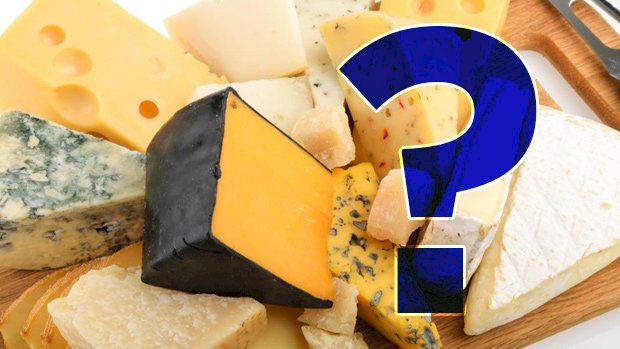 There aren’t many foods more closely associated with the unhealthy eating habits of Americans as cheese. You can bet that if slobby guys had their own clan, their sigil would be a gooey double cheeseburger in front of two crossed swords that look a lot like French fries. Its rep as being high fat and high sodium is so entrenched that it’s one of the first foods people abandon when they start trying to eat better or lean up. They’re making a mistake, though. Cheese is not what they think it is. It’s innocent. It didn’t kill Colonel Mustard in the kitchen with either a candlestick or hardened arteries. It turns out cheese REDUCES the risk of hypertension, cardiovascular disease in general, cancer, and diabetes, in addition to stimulating the beneficial bacteria in your gut to go above and beyond the call of gastrointestinal duty. Cheese in fact has so many potential health benefits that nearly everyone, except for some people with lactose intolerance or irritable bowel syndrome, should be eating some cheese every day – even abs-conscious dieters. Lots of Research, Same Conclusions In 2015, a study showed that a diet high in cheese, when matched against limited dairy consumption, significantly reduced the production of TMAO (trimethylamine N-oxide), which has been associated with increased risk of cardiovascular disease and even cancer (Zheng, et al). That same study also showed that diets high in cheese increased the production of butyrate, hippurate, and malonate, beneficial short chain fatty acids that are byproducts of microbial action and play a benevolent role in gut-related diseases ranging from autoimmunity, cancer, and even obesity. Other studies in both rats and humans have shown that cheese consumption, contrary to accepted beliefs, actually lowers cholesterol. And the research beat goes on. In 2000, Saito and his colleagues found cheese to contain peptides that lower blood pressure, which was kind of surprising, given that cheese, with its high sodium content, has long been thought to jack blood pressure to the stratosphere. One study concluded that cheese consumption is associated with a 19% reduced risk of metabolic syndrome, while another reports that every 60-gram daily serving of gouda cheese lowers the risk of breast cancer of 25 to 64-year old women by 35%. Collectively, this research has caused some scientists to speculate that cheese may be the explanation behind the French Paradox, which is a term that describes the observation that French people, despite using foie gras like American kids use Nutella and having a high-saturated fat diet in general, have a low incidence of cardiovascular disease. Given that the French eat the most cheese of any country in the world, it seems plausible that cheese may explain a big part of their dietary paradox, but even if you discount the French frommage eaters, the bulk of the evidence comes out strongly in favor of cheese. How Come Cheese Doesn’t Make My Arteries Sludge Up? Other high saturated-fat foods – even other dairy foods, like butter – have been implicated to varying degrees in cardiovascular disease, but the fat in cheese is clearly different for at least three reasons: The types of fats found in cheese aren’t like those found in, say, red meat. As an example, cheese contains high amounts of conjugated linoleic acid (CLA), which has been found in numerous studies to work against cancer and even obesity. (To be fair, red meat also can contain a decent amount of CLA, as long as it comes from grass-raised and grass-finished cattle.) The fat in dairy foods is in globular form and is emulsified, which is significantly different from the fat in other foods. Cheese is a fermented product and, depending on the variety, either feeds bacteria in the gut (making it a prebiotic) or actually contains bacteria that seed the gut (making it a probiotic). Maybe one of those characteristics, or all of them working together collectively, makes cheese friendlier to your heart than other high sat-fat foods. Don’t Forget Cheese’s Other Health Benefits Aside from preventing certain diseases, or at least not contributing to certain diseases like we thought it did, cheese has other nutritional super powers: While high in fat, cheese is equally high in protein. It’s very low in carbs (it’s keto approved, and some paleo advocates are fine with it). Each serving (about one ounce) contains about 20% (200 mg.) of your daily calcium requirement. Cheese is one of the few dietary sources of vitamin D. It contains B12, which is also a sometimes hard-to-get vitamin. As mentioned, depending on the variety, cheese is either full of good bacteria, or it nurtures the bacteria in your gut. There’s something else, too. Back in 2008, a professor of genetics and metabolism by the name of Gokhan Hotamisligil was looking for the presence of unique fatty acids in different foods. That’s when he found something called palmitoleate. While small amounts of the fatty acid are
Origin: The Truth About Cheese
Tip: Change Your Attitude About Achy Joints
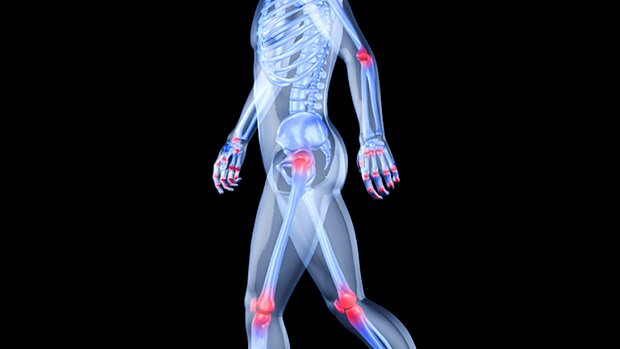 Screw Your Achy Joints If you’re over 40, it’s no excuse to let up. Everyone who’s been doing any serious lifting for at least 10 years wakes up in the morning feeling like they spent the previous day trying to ride the back of Bodacious the bucking bull, and was flung clean over the stands into the deep-fried Twinkie concession stand. Get over it. Sure, you can do your stretching, that hot Yoga where they treat you like a pork dumpling, or whatever rehab exercises fit the situation, but for the most part, you’re always going to hurt. The Two-Part Plan For Recourse 1. Simply get smart about it. Do exercises that don’t hurt the particular joint; use grips or foot positions that allow you to train with no pain; do a reduced range of motion, or lower the weights with a slower tempo. A good 4-second descent should take the strain off any angried-up tendon. And also… 2. Say goodbye to sets under 5 reps. This is your one, big, lifting concession to Father Time. You should forget about doing sets for fewer than 5 reps. There’s just no need to use such heavy weight, and the risk of suffering an injury that you can’t work around, like tearing tendons or ligaments that just aren’t as spry as they used to be, is just too great. No worries, though. You can stay plenty strong by devoting some time to sets of 6 to
Origin: Tip: Change Your Attitude About Achy Joints
Tip: What a Bug Can Teach You About Diet
 Beware of Supernormal Stimuli Foods High reward foods are very calorie dense and often very tasty. They’re generally high in added fats and/or sugar, and the reward properties of these foods may also be enhanced through the use of salt or monosodium glutamate (MSG). High reward foods are “supernormal stimuli,” sometimes called a supernormal releaser. The term, which is from ethology (the study of animal behavior), refers to a behavioral phenomenon whereby animals respond more intensely to stimuli that are exaggerated versions of the normal stimuli with which they evolved (1,2,3). Here’s a fun example. The Australian jewel beetle has a body that’s big, long, and brown. The males are hard-wired to like certain features of the female, namely largeness, brownness, and shininess. So what’s really large, brown, and shiny? A beer bottle. That’s right, the males attempt to copulate with a type of discarded brown beer bottles called “stubbies.” Just as animals respond more strongly, and often preferentially, to the exaggerated (supernormal) stimuli, humans can respond similarly to exaggerated versions of foods. This isn’t to suggest you might mate with a pork chop. It just means these high-reward foods can act as supernormal stimuli and can lead to maladaptive eating behaviors that hinder fat loss and promote fat gain. Here are two of them: Consistent and continued consumption of high-reward foods (the supernormal stimulus) can render whole foods (a normal stimulus) less appealing or unappealing. The influence of supernormal stimuli has changed what people think is a “large” portion size for a single meal. Research in 2006 replicated a study that was done in 1984 in which participants were asked to serve themselves an amount they considered to be a typical portion of each item on a buffet table (4). The 2006 study found that peoples’ perceptions of what they consider to be normal portion sizes have changed in the past 20 years. As you might guess, they’ve grown larger. Much larger. The researchers called this “portion distortion” (5). Exaggerated portion sizes can serve as a supernormal stimulus that distorts your perception of appropriate amounts to eat at a single meal. How to Use This Info Keeping the above two points in mind, not only can high-reward foods cause you to be less satisfied by whole foods (and therefore make adherence to a diet that emphasizes whole foods more difficult), but also more likely to eat larger portion-size meals. Given this phenomenon, it makes sense to minimize exposure to high-reward foods, or at least be continually aware of portion
Origin: Tip: What a Bug Can Teach You About Diet
6 Uncomfortable Thoughts About Exercise Form
 Yes, I know, you’re a stickler for perfect form. Aren’t we all? It’s only the other guy who has crappy form! But are you sure you understand what perfect form actually is? I’m not, and my lifting and coaching career spans 30 years. Let’s break down this topic. Warning: You may feel uncomfortable, but hopefully that’ll provoke some thought. 1 – There’s No Such Thing as Perfect Form To start with, the very word “perfect” implies an unreachable standard. Perfect technique doesn’t exist in the real world. Bottom Line: Avoid the word “perfect.” These terms are more useful when describing exercise form: acceptable, competent, safe, efficient, optimal, improved, good. 2 – Perfect From Isn’t Always Pretty Paradoxically, optimal technique can sometimes look really ugly, and vice versa. The late, great Konstantins Konstantinovs comes immediately to mind. Arguably the greatest deadlifter of all time, “KK” pulled 939 pounds with no supportive equipment whatsoever, not even a belt. Here’s the kicker, though: KK lifted with a such a pronounced rounded spine, your own lumbar region aches Pavlovian style, in the same way that your mouth waters when you vividly imagine chomping into a fresh lemon. No credible coach would teach, recommend, or condone KK’s lifting technique (including me), yet he could pull your best deadlift max with one hand. And I can find no evidence that he ever suffered from back pain. No, KK didn’t die in the gym. Instead, he purportedly met his demise at age 40 in some type of underworld gang incident. Bottom Line: Start with the established rules when it comes to proper technique, but don’t be afraid to improvise if textbook form causes pain. And don’t be too quick to criticize other lifters (especially if they’re successful) if and when their technique doesn’t meet your preconceived notions. 3 – Good Form Doesn’t Guarantee Safety Sorry, but good technique doesn’t eliminate the possibility of injury, nor does bad technique guarantee injury. Can you actually define what “injury” means? The best definition comes from T Nation contributor Dr. Stuart McGill: “Injury occurs when external forces exceed the tissue’s ability to withstand them.” So even if you could define and use “perfect” technique, you’ll be injured if you put too much weight on the bar or simply exert more force against a load than your tissues can tolerate. This gives rise to at least three under-appreciated truths: If you progress your training gradually enough for your tissues to successfully adapt to them, you’ll avoid most common injuries – even if your form truly sucks. Adequate training variation reduces the likelihood of overloading any given tissue too frequently for successful adaptation to occur. If you do suffer an injury, simply resting the injured tissue(s) should be the cornerstone of your rehab strategy. Anecdotal evidence confirms this hypothesis: We all know lifters who remain relatively injury-free, despite using super-sketchy technique, and we’ve also seen lifters with beautiful technique suffer serious injuries. Bottom Line: While good technique won’t guarantee your safety, it’ll nevertheless stack the odds in your favor. 4 – Good Technique is Personal Although there are certainly well-established principles that dictate proper technique (for example, during any type of pressing, your hands should always remain directly above your shoulders), optimal technique varies considerably from individual to individual based on their unique anatomy, injury history, and so on. Here’s one example: During the conventional deadlift, conventional wisdom dictates that at the start, your hips should be higher than your knees. And while I agree with this recommendation, there’s considerable wiggle-room in terms of exactly how high your hips should be at the start of the pull. A tall lifter with long femurs, “iffy” knees, and a strong, healthy low back might do best with a higher hip position than the textbooks would suggest. On the other hand, a lifter with more advantageous levers, healthy knees, strong quads, and/or lumbar issues would be better served starting with relatively lower hips. In another example, many old-school, grizzled lifters will roll their eyes in utter contempt if you don’t squat deep enough to leave a stain on the carpet. However, deep squatting isn’t always compatible with different people’s leverages, past injuries, or circumstances. Certain types of bony hip structures don’t permit deep squats without significant lumbar flexion, which exposes the lumbar spine to serious injury risk. Similarly, short/tight Achilles tendons or ankles would require considerable forward lean during a deep squat, which may also expose the low back to unnecessary risk. Finally, some people’s unique characteristics preclude safe performance of certain exercises, even if perfect form could be identified and implemented. As one example of this, lifters with “Type III” acromions or who have significant thoracic kyphosis
Origin: 6 Uncomfortable Thoughts About Exercise Form
 All about sport xlsport.club