
 It’s always a good idea to start your back workouts with the big, basic exercises (rows, chin-ups, pull-ups, lat pulldowns, etc.) and chase rep and/or weight personal records. So, what could your back workouts be missing? Metabolic stress. There are lots of ways to get it in, so try leveling up your lat game with this finisher. All you’ll need is one set. 12 Reps, 3 Exercises, 1 Long Hold If you have access to a dual-adjustable pulley or freedom-type trainer, give this one a shot. You’re going to hold the reps constant from exercise to exercise while also adding a bit of weight at each transition. Do the following: Straight-Arm Pulldown:12 reps (use about a 15-rep estimated max weight) Split Stance High Row:12 reps (add a plate beyond what you used in the first exercise) Half-Kneeling Lat Pulldown:12-plus reps (add a plate beyond what you used in the second exercise) Half-Kneeling Lat Pulldown ISO Hold:max time Take about 10 seconds or so to transition between exercises, recover just a bit and change the weight, with the exception of the last exercise where you’ll take 20 seconds to recover from the previous movement. Try
Origin: Tip: The Back Finisher You’ve Never Tried
Author: ondriving
5 Fixes For Muscular Imbalances
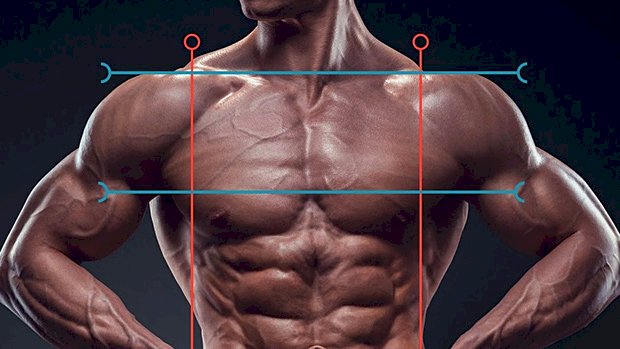 Whenever my clients ask about muscle imbalances, I jokingly tell them I suffer from them too: I have one strong arm… and one really strong arm! It’s true, though, a person’s dominant side is almost always going to be stronger than their non-dominant side. That means right-handed people are more likely to have weaker left arms. Though some degree of muscular imbalance is inevitable, having a side that’s a little stronger won’t matter much if you have enough strength on your weak, or less strong, side. However, you can and should do your best to keep your muscular imbalances from becoming too exaggerated because… Having a weak side will hold you back from advancing in your training. When one side is weaker, you’re more likely to suffer an injury. When attempting a difficult task, it’s the weak spot that’ll give out first. In fact, overuse injuries commonly occur on peoples’ non-dominant side, even though they use their dominant side more frequently. Having a weak side could ruin your symmetry. Strengthening up your weak side will simply make your body look better. The 5 Fixes Here are some exercises that’ll help you balance things out: 1. One-Arm Pulldown Have you ever noticed how most people at the gym do one-arm rows, but hardly anybody does one-arm lat pulldowns? It’s a shame because the one-arm pulldown is a fantastic exercise to help eradicate left/right pulling imbalances. Even if you do lots of pull-ups and standard two-arm pulldowns, there’s a good chance that you’re relying on your dominant arm to do the majority of the work. By simply swapping the long bar out for an individual handle, you can work one arm at a time and begin to help your less strong side catch up. 2. One-Arm Pull-Up Single-arm pull-ups are also a fantastic way to get yourself evened out. You can start by practicing one-arm hangs as I described in The Ultimate Grip Strength Test and then eventually work your way up to training for a one-arm pull-up. Even if someone’s a little stronger on one side, anyone who’s capable of a full one-arm pull-up using either arm is extremely strong on both sides of the body. 3. Single-Arm Overhead Press Doing barbell presses all the time won’t remedy pushing imbalances. That’s where this exercise come in. Yes, you’ll have to use less weight than you would if you were doing a barbell press, but if you’re willing to put your ego aside in the short term, it’ll have a bigger payoff in the long run. 4. One-Legged Squat Just as we all have a dominant arm, we each have a dominant leg too, though many people will actually be stronger on the leg that’s opposite their dominant arm. It may seem counterintuitive at first, but oftentimes in sports and other activities we post off of our left leg in order to use our right arm (and vice versa). Think of a pitcher in baseball or a boxer throwing a cross. These contra-lateral movements often produce better development in the leg that’s opposite the primary arm. Single-leg squats are the answer to evening out your lower body imbalances, even though the strongest lifters are often humbled by attempting an unloaded, full ROM one-legged squat. Since not everyone’s strong enough to perform a proper one-legged squat, you can practice them with an assist from your arms by holding onto a suspension trainer or a vertical pole. Just make sure you aren’t doing too much of the work with your arms – they’re only there to give the squatting leg just enough help to complete each rep. 5. One-Arm Calisthenics If you’re a calisthenics enthusiast like myself, you can try practicing the One-Arm Push-Up and single-arm wall handstands to keep the pushing power of your left and right sides balanced. Kick up into a two-arm handstand first, then carefully take one hand away and hold the position for as long as you can. Of course, you’ll want to be sure you’re doing the same work for both sides. Unilateral Programming Once you’ve identified your weaker side, you can begin prioritizing it in your workouts. This means training that side first within each session, which will allow you to give it your full energy and attention. That said, you don’t want to hold your stronger side back from progress, either. The best way to focus on your less strong side without babying your stronger side is to perform the same amount of reps on both sides, but spread them out over more sets on the less-strong side. For example, if you can do 3 sets of 10 single-leg squats on your stronger leg, you can try doing 6 sets of 5 reps on your weaker side to allow for more recovery without doing less total work. You’ll still be working your two sides evenly in terms of overall training volume, but you won’t have to sacrifice your form to do so. Though you may never completely even out your two sides, implementing these methods properly will ensure you no longer have a weak side. You’ll have a strong side… and a really strong
Origin: 5 Fixes For Muscular Imbalances
Tip: Tall? Squat Like This
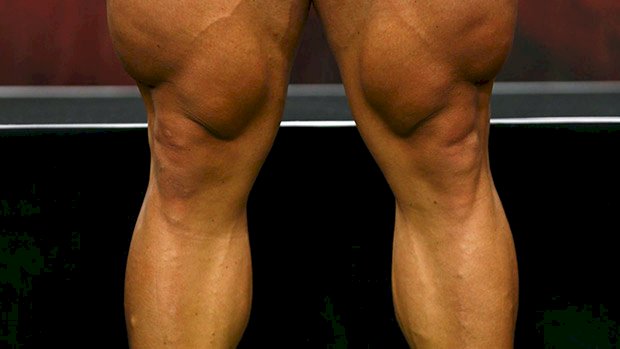 For building mass, squats are king. However, when long-limbed hardgainers try to back squat, it often looks like an ugly good morning. Switching to a safety squat bar (holding the squat rack) is a game changer. The Benefits The padded yoke takes stress off your shoulders. The bar design moves the weight forward like a front squat. This means less stress on your spine and more on your quads. Holding the rack helps you keep a more upright torso. This makes your squat look more like the pretty squats of someone with a good squat structure. It also adds some extra stability to the lift, which lets you lift more weight for more reps. Performance Tips For big legs, don’t sit back like a powerlifter. Instead, spread your knees and sit down. Drive your traps into the bar pad as you come out of the hole. If you start leaning forward to recruit more low back and hips, use your hands to push the weight back over your feet and make your quads do the work. Don’t cheat with your arms. You’re trying to build your legs, not your ego. Good alternatives: Machine squat, leg press, Zercher squat, hip belt
Origin: Tip: Tall? Squat Like This
The Truth About Digestive Enzymes
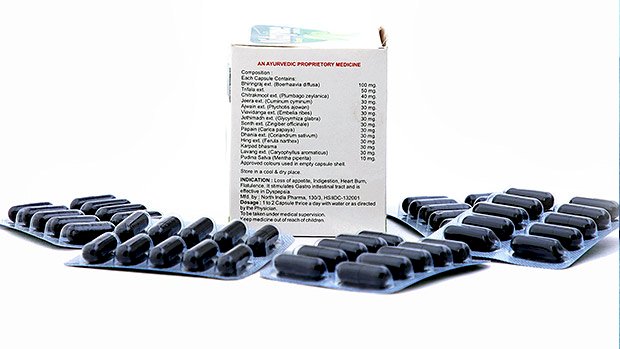 Like a Dead Horse Most guys don’t chew their food much. They just use their teeth to rip off pieces of meat from whatever carcass is on their plate and they force it down their gullet with a huge, anaconda-like muscular contraction. No wonder they get gassy and bloated and filled with acid that threatens to overflow up into their esophagus. It’s not much different then throwing the body of a dead horse into a bog. You know nature will eventually do its work and break the thing down, but with all those noxious gasses being formed, no one much wants to be around while it’s happening. Many big eaters resort to using digestive enzymes to help break down that horse, but do they work? Few people are willing to buck up the research money for things that are already in wide usage and can’t be patented, but the science behind them makes sense. From Pancreas With Love As you might know, enzymes are chemicals that accelerate chemical reactions. In the case of digestive enzymes, they’re chemicals that break down fats, proteins, and carbohydrates into their constituent parts. Most of them are produced in the pancreas and slosh down as needed into the small intestine, which is where most of the digestive heavy lifting occurs. If, for some reason, you don’t produce enough of these enzymes to do the job, you get gassy and bloated. Swimsuit photo shoots have to be cancelled and rescheduled. Then there are people who are far worse off. Their production of digestive enzymes is so meager that it results in weight loss and even malnutrition. For them, there’s no alternative but to use prescription digestive enzymes. The average horse eater, though, has plenty of over-the-counter (OTC) digestive enzymes to choose from. When questioned as to whether they work, most manufacturers whip out a 1999 study as proof that they do, but that study, which did indeed show that a digestive enzyme helped break down high-calorie, high-fat meals, used a prescription lipase (an enzyme that breaks down fat). Unfortunately, there aren’t many (any?) studies that prove the efficacy of OTC digestive enzymes in easing digestive problems. However, most people, anecdotally at least, seem to feel better after using one of these products, provided they used the right one for the job. The Right Kind for the Right Problem The labels of most OTC digestive aid products list several different kinds of enzymes, including various herbs and nutrients believed to help digestion in general. If you have trouble digesting complex carbs, you’re going to want something that contains amylase, plus maybe some additional, more obscure enzymes that break down various specific sugars. If cruciferous vegetables and legumes are your personal devil, then you’re going to want to try a supplement containing alpha-galactosidase. If you can’t handle lactose, you’re going to need something that contains lactase. If protein is your problem, then look for a protease like bromelain or its friends. If fat is your nemesis, seek a lipase. Most often, though, all of these enzymes are usually lumped together in kitchen-sink formulations that will help your gut disassemble just about anything you might swallow, so you might not want to go to the trouble to seek out nutrient-specific enzymes. What About Gluten? As far as people with gluten sensitivities, let me quickly temper any rising expectations you might have had about the potential of digestive enzymes: Studies haven’t shown them to break down gluten. They appear to be of no help to people with actual celiac disease. However, for some reason, people who don’t have celiac disease – who just claim to be gluten sensitive – report having found some relief through the use of digestive enzymes, so it’s possible they work. Other Purported Benefits of Digestive Enzymes Oddly enough, some proteases like bromelain and trypsin seem to have anti-arthritic properties too, and plastic surgeons and the like often prescribe bromelain to help stop bruising and aid healing in general. And then there’s the side effect no one really talks about much: weight gain. Since the digestive enzymes help you digest nutrients like protein, fats, and carbohydrates more efficiently, it only stands to reason that you’ll also be absorbing their CALORIES more efficiently. That’s good news if you’re currently in a bulking phase, but not so good if you’re trying to cut calories. Signs You May Need Digestive Enzymes One or more of the following symptoms may mean you’re a candidate for taking digestive enzymes: After a meal, you often feel as if there’s an alien in your gut, itching to bust out. You produce enough gas to power a small Midwest city. After having a bowel movement, you could conceivably reconstruct the pulled pork Panini sandwich you had for dinner from the undigested bits of what was floating in the toilet. You feel full after just a few bites. Your stools are persistently as buoyant as a pool toy. You eat enough food for an entire NFL
Origin: The Truth About Digestive Enzymes
Tip: Pull Your Way to Growth
 One of the things that separate the wolves from the sheep in the iron game is back development. A guy who puts in years grinding away on his upper back and lats will end up with a physique that ultimately blows away the one developed by the dude who’s just pressing, flying, and curling his way to mediocrity. So if you’re looking for more to do on back day, add this finisher to the mix. Just do ONE set at the end of your normal back workout. Pulldown Drop Set for Maximum Gains This is an efficient mechanical drop set requiring only a high pulley and a rope attachment. You won’t even have to change the weight. Do the following: Straight-Arm Pulldown:12-15 reps to failure (upright position) Straight-Arm Pulldown:max reps (bent over position) Bent-Over “J” Pulldown:max reps Hybrid Motorcycle Row/Face Pull:max reps Bent-Over Lat Pulldown:max reps Take no rest between exercises. This protocol has a nice flow to it and you’ll appreciate the
Origin: Tip: Pull Your Way to Growth
Tip: The Fastest Full Body Stretch
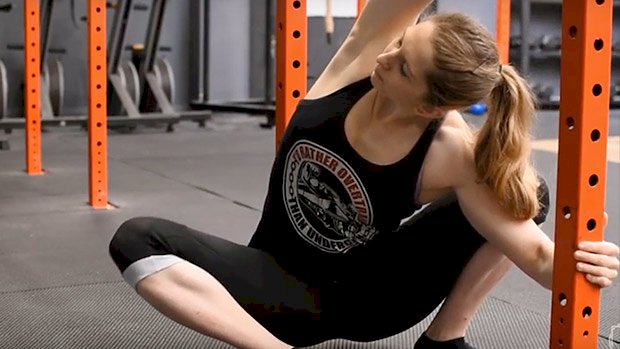 The One Stretch Your Warm-Up Needs Trying to get stronger, bigger, or leaner? Doesn’t matter what your goals are, you need to have a good level of full body mobility to stay injury free in the gym… and to just move well through life. It’s always tempting to skip the warm-ups and stretching, especially when you’re short on time. But at the very least, make sure you address the most commonly stiff/tight areas of the body: Lats Lower Back Hips Knees Ankles This assisted squat stretch hits all of these. And the best thing about it? It takes no energy to do – you don’t even have to hold yourself up! Lats:The crossover reach hits your lats, which is great for your overhead position and overall shoulder mobility. Low Back, Hips, Knees:This is combined with the deep squat which is a great relaxer for the lower back and really helps to open up the hips and knees, especially with the added prying motion. Ankles:Because you’re holding on to a support, you’re also able to focus on dorsiflexion of one ankle at a time. This is crucial for improving your deep squats. Spend 1-2 minutes using this as a warm-up or cooldown stretch with some deep relaxed breathing and you’ll feel
Origin: Tip: The Fastest Full Body Stretch
Tip: The Healthiest Oil for Frying
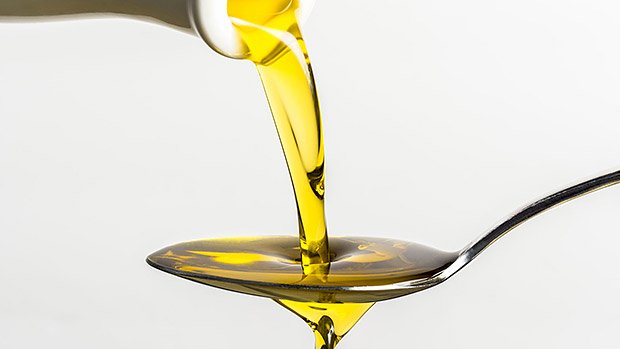 When choosing a cooking oil, most health-conscious people obsess about smoke point. That’s the temperature at which a trail of blue smoke wafts upward and triggers the kitchen smoke alarm, causing your poodle and similarly high-strung humans to wet themselves. Smoke point has always been a concern for two main reasons, one taste related and one health related. An oil that’s been pushed to its smoke point and beyond will make whatever food you’re cooking taste like the charred hot dog that your uncle pulled out of the campfire last fourth of July picnic. An oil that’s reached its smoke point was also believed to be well on the way to turning your cooking oil into a toxic stew, full of inflammatory, cell-damaging, and potentially cancer-causing chemicals. Smoke Point Doesn’t Really Matter A lot of physical factors can determine smoke point, things like the amount of oil being used, the size of the frying pan, the air currents, the altitude, the type and source of light, and, most prominently, the amount of free fatty acids (FFA) the oil or fat contains. The more FFA, the quicker it breaks down and starts smoking, but since FFA usually make up less than 1% of the total oil, smoke point is now regarded as a poor indicator of the ability of a fat or oil to withstand heat. What’s of more concern is the production of 4-hydroxynonenal (HNE), which has been implicated in cardiovascular disease, neurodegenerative diseases, and even influencing factors that affect the life and death of cells. HNEs are created when highly unsaturated oils like grapeseed, safflower, sunflower, and rice bran oil are heated, but not necessarily to their smoke point. To make matters worse, you can’t really tell when HNE is being formed as it’s odorless, flavorless, and invisible. That’s why we need to cook with oils with a low level of polyunsaturated fatty acids. Enter, or re-enter, an old favorite, one that’s long been judged to be too “delicate” for frying: extra virgin olive oil (EVOO). Aussie Scientists Burning Oil on the Laboratory Barbie Last year, Australian scientists subjected a number of oils to rigorous testing to see which ones could best withstand the challenges of heat. Their goal was to examine the formation of nasty byproducts like HNE, along with gauging the propensity of these oils to form free radicals. It turns out extra virgin olive oil fared the best, failing to produce a significant quantity of harmful compounds. It also showed an admirable resistance to oxidation. Granted, it didn’t have the highest smoke point, but that didn’t appear to matter. The high smoke-point award went to the second-place finisher: coconut oil. Aside from being the smoke point champion, it also failed to produce a significant amount of harmful compounds. It didn’t do quite as well in the oxidation department as EVOO, though, as it was slightly less resistant to this chemical reaction. The authors wrote: “Reasonable predictors of how an oil will perform when heated have been oxidative stability, secondary products of oxidation, and total level of PUFAs, EVOO has demonstrated to be the most stable oil when heated, followed closely by coconut oil and other virgin oils such as avocado and high oleic seed oils.” How to Use This Info When sautéing or frying, choose extra-virgin olive oil, but if you want to save your EVOO – which is usually more expensive – for drizzling atop your food, opt for coconut oil. You can also use other “virgin” oils (those that were derived by old-fashioned pressing instead of chemical extraction) like avocado oil, those that are high in oleic acids (monosaturated fats) like canola, or those normally non high-oleic cooking oils that have been selectively bred to contain higher amounts of oleic acid than is typical for their species. Examples include high-oleic sunflower oil, high-oleic soybean oil, and high-oleic safflower
Origin: Tip: The Healthiest Oil for Frying
Tip: Easy, High-Protein Hotcakes
 Every so often a recipe comes along that becomes a staple. These sweet potato waffles did a pretty good job of that. Folks everywhere haven’t had another breakfast since their discovery. This baked pancake promises to be another game changer. Cake, In a Pan In some cultures, they’re called “hotcakes.” In others, “skillet cakes.” Whatever name you give them there’s no denying their fluffy pancake texture, guilt-free great taste, and nutrient profile. Eat them for breakfast or dessert, or cut them up into snack-sized portions. Many protein powder recipes can be rubbery and dry, but not these. You’ll get one big fluffy pancake that’ll serve one hungry person or two struggling hardgainers. The whole pancake packs a whopping 53 grams protein, coming from a mix of whey isolate, micellar casein, and eggs. That means a complete amino acid profile with varying degrees of time release. You’ve got a few portions of fruit in there too, as well as over a third of your daily fiber intake in one sitting. This protein pancake will keep you fueled and keep your body running like clockwork. Ingredients 1 Medium ripe banana 1/2 Cup uncooked rolled oats or oat flour 2 Whole eggs 1 and 1/3 scoop (40g) vanilla Metabolic Drive® Protein 1/5 Cup (2.1 oz) zero-fat Greek yogurt 3/4 Teaspoon baking powder 1/2 Cup frozen berries 1 Heaped teaspoon pumpkin seeds (or any other seeds) Few pinches salt Instructions Preheat oven to 360 Fahrenheit or 180 Celsius. Toss all the ingredients into a blender or food processor except the berries and seeds. Blend until well combined with no whole oats visible. Spray an oven-proof skillet with a little low-calorie cooking spray. Pour the smooth batter into the skillet. Throw some berries and seeds on top. You can use fresh berries, but frozen are just as good and keep the pancakes extra moist. Bake on the top shelf for 18-20 minutes or until golden brown. Optional: Serve with a little extra Greek yogurt, honey, maple syrup, or sugar-free syrup. Bonus: Why Pumpkin Seeds? The pumpkin seeds are a nice touch, especially if you’re thinning a little on top. They contain beta-sitosterol which inhibits the 5-alpha-reductase enzyme that converts testosterone to dihydrotestosterone (DHT). Multiple randomized controlled trials in both rats and humans have shown pumpkin seed oil to have antiandrogenic effects and help with male hair loss. For a healthy hormonal profile, pumpkin seeds are a great option. Calories and Macros for the Whole Damn Thing 641 calories 17 grams fat 72 grams carbs 53 grams protein 12 grams
Origin: Tip: Easy, High-Protein Hotcakes
The Truth About Cheese
 There aren’t many foods more closely associated with the unhealthy eating habits of Americans as cheese. You can bet that if slobby guys had their own clan, their sigil would be a gooey double cheeseburger in front of two crossed swords that look a lot like French fries. Its rep as being high fat and high sodium is so entrenched that it’s one of the first foods people abandon when they start trying to eat better or lean up. They’re making a mistake, though. Cheese is not what they think it is. It’s innocent. It didn’t kill Colonel Mustard in the kitchen with either a candlestick or hardened arteries. It turns out cheese REDUCES the risk of hypertension, cardiovascular disease in general, cancer, and diabetes, in addition to stimulating the beneficial bacteria in your gut to go above and beyond the call of gastrointestinal duty. Cheese in fact has so many potential health benefits that nearly everyone, except for some people with lactose intolerance or irritable bowel syndrome, should be eating some cheese every day – even abs-conscious dieters. Lots of Research, Same Conclusions In 2015, a study showed that a diet high in cheese, when matched against limited dairy consumption, significantly reduced the production of TMAO (trimethylamine N-oxide), which has been associated with increased risk of cardiovascular disease and even cancer (Zheng, et al). That same study also showed that diets high in cheese increased the production of butyrate, hippurate, and malonate, beneficial short chain fatty acids that are byproducts of microbial action and play a benevolent role in gut-related diseases ranging from autoimmunity, cancer, and even obesity. Other studies in both rats and humans have shown that cheese consumption, contrary to accepted beliefs, actually lowers cholesterol. And the research beat goes on. In 2000, Saito and his colleagues found cheese to contain peptides that lower blood pressure, which was kind of surprising, given that cheese, with its high sodium content, has long been thought to jack blood pressure to the stratosphere. One study concluded that cheese consumption is associated with a 19% reduced risk of metabolic syndrome, while another reports that every 60-gram daily serving of gouda cheese lowers the risk of breast cancer of 25 to 64-year old women by 35%. Collectively, this research has caused some scientists to speculate that cheese may be the explanation behind the French Paradox, which is a term that describes the observation that French people, despite using foie gras like American kids use Nutella and having a high-saturated fat diet in general, have a low incidence of cardiovascular disease. Given that the French eat the most cheese of any country in the world, it seems plausible that cheese may explain a big part of their dietary paradox, but even if you discount the French frommage eaters, the bulk of the evidence comes out strongly in favor of cheese. How Come Cheese Doesn’t Make My Arteries Sludge Up? Other high saturated-fat foods – even other dairy foods, like butter – have been implicated to varying degrees in cardiovascular disease, but the fat in cheese is clearly different for at least three reasons: The types of fats found in cheese aren’t like those found in, say, red meat. As an example, cheese contains high amounts of conjugated linoleic acid (CLA), which has been found in numerous studies to work against cancer and even obesity. (To be fair, red meat also can contain a decent amount of CLA, as long as it comes from grass-raised and grass-finished cattle.) The fat in dairy foods is in globular form and is emulsified, which is significantly different from the fat in other foods. Cheese is a fermented product and, depending on the variety, either feeds bacteria in the gut (making it a prebiotic) or actually contains bacteria that seed the gut (making it a probiotic). Maybe one of those characteristics, or all of them working together collectively, makes cheese friendlier to your heart than other high sat-fat foods. Don’t Forget Cheese’s Other Health Benefits Aside from preventing certain diseases, or at least not contributing to certain diseases like we thought it did, cheese has other nutritional super powers: While high in fat, cheese is equally high in protein. It’s very low in carbs (it’s keto approved, and some paleo advocates are fine with it). Each serving (about one ounce) contains about 20% (200 mg.) of your daily calcium requirement. Cheese is one of the few dietary sources of vitamin D. It contains B12, which is also a sometimes hard-to-get vitamin. As mentioned, depending on the variety, cheese is either full of good bacteria, or it nurtures the bacteria in your gut. There’s something else, too. Back in 2008, a professor of genetics and metabolism by the name of Gokhan Hotamisligil was looking for the presence of unique fatty acids in different foods. That’s when he found something called palmitoleate. While small amounts of the fatty acid are
Origin: The Truth About Cheese
Tip: Climbing Up In Age? Bump Up The Volume
 For people over 40, I’ve suggested giving up on sets of less than 5 reps before. That doesn’t mean falling forever into the sticky 8 to 10 reps mire. Everybody’s been stuck on doing 8 reps forever, mostly because ancient, cave-man lifters began a tradition of doing 8. Doing 6 or 7 didn’t feel like it was hard enough and doing 9 to 10 or more was talking-to-an-insurance-salesman tedious. But I say to you, Horatio, there are more beneficial rep schemes in heaven and earth than are dreamt of in your weightlifting philosophy. You can build plenty of size – perhaps even more size than you thought possible – by doing sets of 12, 15, or even 20 reps, especially since you’ve probably ignored higher rep ranges your entire lifting career. You might incorporate these higher rep schemes into your workout by devoting the first training day (say, for upper body) of the week to sets of 6 to 8, devoting the next training session to sets of 8 to 10, and then the subsequent session to sets of 12 to 15 or more before starting the whole merry-go-round over again. Skeptical of High Reps? Try this protocol out a couple of times before you judge: Pick a weight for just about any exercise that you can do for 20 reps using a one-second concentric (lifting part of the rep) and a two-second eccentric (lowering part of the rep): Do the first set of 20 reps. Rest just 30 seconds. Do the second set of 20 (or as close as you can get to 20). Rest 30 seconds. Do a third set of 20 (or as close as you can get). Stick worked body part in ice to cool the fire. Researchers Fink, Kikuchi, and Nakazato (2018) found this method worked twice as well in building muscle in yes, experienced lifters, than the usual 8-rep sets. Case in point, higher reps work just fine, thanks, and they’re much more forgiving on the
Origin: Tip: Climbing Up In Age? Bump Up The Volume
 All about sport xlsport.club