
 Following the advice of genetically elite lifters is misleading. Many top competitors have excellent physiques in spite of what they do, not because of what they do. There are other types of genetic freaks as well – those who respond extremely well to PEDs. Their receptors have a great affinity for steroids and they seemingly grow non-stop. Does that translate into the kind of expertise that can help the natural lifter? I’ve been on both sides. For years I coached top-level competitors who wanted to become national champions, but I walked away from that world. In the years that have passed, I realized what it’s like to be on the other side of the fence. I’m now a natural, aging bodybuilder with battle scars and training limitations from those hardcore days. This relatively new-found wisdom has allowed me to compile ten principles for the natural lifter who finds it hard to build muscle. If you apply these principles consistently, you’ll absolutely benefit. 1 – Under-training is more effective than overtraining As cool as some hardcore training tactics look, they can quickly take the natural lifter into the overtraining zone. There’s a difference between optimum work capacity and maximum work capacity. There’s often an overemphasis on methods to stimulate growth, but an under-emphasis on rest and recovery. If you leave the gym and have to sit in your car for 5-10 minutes to gather yourself before you even leave the parking lot, you’ve tapped too deeply into stimulus and you haven’t paid relative attention to recovery. It isn’t very sexy to be talking about rest and recovery, but most of the time the non-sexy details are the most relevant for producing results. Under-training allows you to keep showing up. Consistency is more important than intensity. Furthermore, consistency is the building block of intensity – not the other way around. Does this mean it’s okay to never sweat and to sit on the end of a bench scrolling through your phone between sets? Of course not. But real success is less about “giving it all you got” and more about being able to show up every training day in a performance-readiness state. 2 – Do NOT train to failure After I left the hardcore competition world, I had to revisit dozens of my training programs and write them to include fewer sets, along with removing training tactics that took muscles beyond relative failure – which no natural lifter could realistically recover from. I took out heavy negatives, forced reps, strip sets, drop sets, and extended sets. Not only did I remove these tactics, I instructed all clients to avoid training to failure on any working set. You have to pump iron, but you should always leave a good two reps in the tank on every set. This means picking a weight that challenges your target muscles for the reps indicated, but avoids taking you to failure. 3 – Emphasize both intra-workout and inter-workout recovery You have to balance adequate training stimulus with adequate recovery, both within workouts and between workouts: Not enough workouts per week = not enough stimulus. Not enough recovery within and between workouts = overtraining and not enough time to complete an adaptive response. Intra-workout recovery and inter-workout recovery need to reflect one another. “Inter” workout recovery has a lot to do with proper program design. “Intra” workout recovery has more to do with training within optimal work capacity zones and seldom pushing muscles into maximum work capacity zones. For the natural trainee, establishing a consistent training pace and natural workout flow are important. And this has as much to do with intra-workout recovery as it does with the specified training stimulus of exercise selection, sets, and reps. However, the workout pace should never be forced into specific windows of by-the-clock rest intervals. Obviously, it takes a lot more time to recover from a set of high-rep squats or lunges than it does to recover from a set of concentration curls, but using the clock to gauge intra-workout recovery just makes no sense. And neither does following some written-down instruction to rest for a specified time between sets. No coach can know how close you are in the training zone between optimum and maximum work capacity in a given workout, and neither can a coach assume your current conditioning level. Assigning rest times between sets according to the clock or timer is like throwing darts at a dartboard while blindfolded. That’s not exactly a reliable construct. So how then do you know how long to rest between sets? That’s where the next principle comes in. 4 – Determine how long to rest between sets subjectively Your rest between sets should be self-monitored according to the concept of “subjective determination of performance readiness.” After you’ve completed a working set, ask yourself this question: “Can I do my next set with equal or greater intensity than the previous set?” The answer has very little to do with timers or
Origin: 10 Rules for Steroid-Free Lifters
Author: ondriving
Tip: Mix This Into Your Food to Get Super Healthy
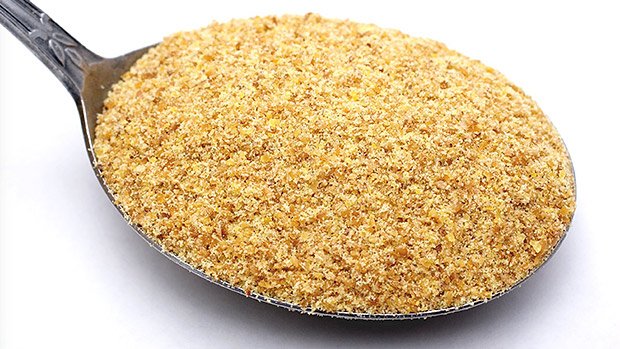 Flaxseed: The Comeback Poor old flaxseed was once a rising star in the nutritional world. It was touted as being the highest non-ocean source of omega-3 fatty acids, so if you didn’t like to eat mackerel, herring, or oysters every day, flaxseed was your girl. But then people found out that flaxseed came with an omega-3 catch: It didn’t actually contain DHA or EPA, the omega-3s the human body needs. Instead, it contained alpha linolenic acid, which the body has to convert to DHA and EPA. That might not sound like a big deal, but it turns out the conversion process is kind of a heavy enzymatic lift for the body, so much so that only 10 to 15% of the linolenic acid gets converted into DHA and EPA (the rest is burned as energy). So flaxseed fell out of favor. It was left to molder on the shelves at Whole Foods, passed over for the younger and prettier chia seeds, but don’t worry, flaxseed isn’t vindictive like your ex. She’ll take you back, because that’s just the kind of big-hearted seed she is. And while she may not have the omega-3 horsepower of her fishy friends, adding a daily teaspoon or two to your diet could improve your health considerably in the following categories: 1. Cardiovascular Disease Flaxseed, at least in animal studies, has proven to be effective in slowing the build-up of plaque induced by high-cholesterol and high-fat diets, in addition to lowering circulating levels of trans fats. As far as human trials, flaxseed has been shown to significantly decrease systolic and diastolic blood pressure, so much so that it led to a prediction of a 50% decrease in the incidence of heart attack and stroke. 2. Diabetes Dietary flaxseed reduced blood glucose in people with Type 2 diabetes, along with lowering blood sugar in people with prediabetes. 3. Cancer A review of ten human trials led to the conclusion that flaxseed reduced the rate of tumor growth in women with breast cancer. Cancers of the prostate, lung, colon, ovary, endometrium, liver, and cervix have also been inhibited by flaxseed. 4. Skin Health Women involved in a 12-week, randomized study found that dietary flaxseed oil led to a significant decrease in trans-epidermal water loss, skin roughness, and scaling, with an increase in skin hydration and fullness. 5. Gastrointestinal Health Because of its high fiber content, flaxseed has shown a lot of promise in giving relief from constipation, in addition to reducing symptoms of irritable bowel syndrome (IBS). It also appears that it’s fermented in the gut and leads to the formation of short-chain fatty acids, which may favorably alter the microbial microenvironment. Forms of Flaxseed While we generally think of flaxseed in its whole-seed form, it’s also available in ground form, as flaxseed oil, and as partially defatted flaxseed meal. More recently, a “milk” form has entered the market to compete with almond and oatmeal milk. The latter iteration is fast gaining popularity as it contains no cholesterol or lactose, is suitable for people with soy, nut, or gluten allergies, and is more healthful than almond milk. I prefer the ground form, though, as it adds a slightly nutty flavor to foods. Crushing the outer seed also makes both the ALA and the ecoisolariciresinol diglucoside (SDG), flax’s predominant antioxidant polyphenol, more bioavailable. However, crushing the seed through grinding also exposes these chemicals to oxidation, so ground flaxseed needs to be kept in the freezer to preserve its magic. What are the Naysayers Going to Point Out? Every nutrient or food seems to have its detractors, and flaxseed is no exception. They’ll tell you that the protease inhibitors, phytic acids, linantine, and cyanogenic glycosides found in flax make it impossible or unlikely that the body will be able to absorb and benefit from it. They’re right in theory, but wrong in practice, as several studies have reported no deleterious effects from these flax components. Other party poops will complain about the cyanide formed in the gut when flax is ingested, like cyanide ever killed anybody. Okay, it has, but this isn’t an issue here. Taking one to two teaspoons of flax will result in about 5-10 mg. of hydrogen cyanide being manufactured, but the human body can easily detoxify up to 100 mg. of cynanide a day. Just keep your flax consumption down to less than a kilogram a day (2.2 pounds), which I wouldn’t think would be an issue. Just the Flax, Ma’am To reap the benefits of flaxseed, add a teaspoon or two a day to anything that might benefit from its texture or taste, from oatmeal to salad or yogurt to soups. Start slow, though, as your gut may rebel against such a big dose of fiber if it isn’t used to
Origin: Tip: Mix This Into Your Food to Get Super Healthy
Tip: The 5-Minute Upper Body Finisher
 Hit this quick workout for a super pump at the end of your training sessions. Yes, it’s short, but aim for controlled reps with minimal rest. The routine consists of these three simple exercises: 1. TRX Bicep Curl Lean back away from the anchor point and have your elbows about shoulder height, palms facing up. Keep your shoulders back and down and curl from the elbow. Just pull to beside your head without letting the elbows drop. Avoid lifting from the shoulders and pulling behind yourself. Keep these slow and controlled and really focus on isolating the biceps while maintaining posture. 2. TRX Row Turn your palms so they face each other. Fully lock out the arms and think about engaging the lats before you pull. When you reach your chest to the handles, squeeze your shoulder blades together as much as you can before slowly returning to the start position. 3. The Push-Up Move to the floor. Place your hands shoulder distance apart, keep your belly tight, and push your feet into the ground. Fully extend the elbows at the top – no half reps. If you need to regress to your knees that would be better to maintain a full range of motion. The Rep Scheme 5 TRX bicep curls 8 TRX rows 10 push-ups Do 5 full rounds If don’t struggle with the exercises and your form stays strong throughout, then aim to go unbroken (no resting) between all five rounds. If you’re fairly new and your arms burn out quickly, take 30 seconds of rest between rounds. Remember the aim is quality movement with good tension. If you feel like you’re able to relax too much at the top of the rows or curls then walk your feet forward to put yourself more toward horizontal. This workout should take you around five minutes. If you can do it in 3 or 4 minutes, you’ve performed the exercises too
Origin: Tip: The 5-Minute Upper Body Finisher
Tip: How To Meet Women At The Gym
 A lot of lifters say the gym isn’t the place to meet people. But if you’re single, wouldn’t you want to find someone with your shared interests and healthier lifestyle? The main problem for women? Guys at the gym can be creepy. They’ll stare for too long, interrupt our sets, or flirt in a way that holds us up from getting on with our workout. So here’s a short guide to increase your chances of success and save us ladies a lot of wasted time and discomfort. 1. Pick the Right Girl Here’s a list of women you should probably leave alone: The Cardio Girl: Women don’t generally want to stop their treadmills to chat. So unless you’re going to do what she’s doing and chat her up, don’t bother. The Hideaway Girl: She’s the one who drags a yoga mat and some dumbbells into a corner. She’s hiding for a reason. Don’t invade her space. The Bandit: If she’s wearing headphones, a baseball cap, and a hoodie, she doesn’t want to talk to you. I don’t care how ripped your abs are and neither does she. The Front Desk Girl: She has to be there no matter what, so don’t make it weird. Plus, if things go wrong, you’re both screwed. And not in a fun way. Here are some better options: The Girl Who Lifts Like You: She’s a woman you see regularly and who seems to be integrated in the community. She’s probably your best bet since you’ll share common interests and she values lifting the way you do. The New-ish Girl: She might hang around the weights but doesn’t seem as comfortable as the first girl on this list. She might welcome a wave or a quick, “Can I help you find something?” The Group Fitness Girl: She takes classes and hangs around talking to staff after. She’s there regularly and is probably looking for people who share her love of fitness. Note: Even if her idea of fitness is group fitness, which you think is stupid, suppress the urge to share this with her. Notice the thing all these girls have in common? You’ve seen them before. It’s probably not a great idea to approach a girl you’re seeing for the first time, unless there’s a very clear opening. A girl who goes to the gym as regularly as you do probably kinda-sorta knows who you are. I get a lot less of that stranger-danger feeling when I get a hello from a guy I’ve seen around than from a guy who appeared out of nowhere. 2. Looks for the Signs (Good Ones and Bad Ones) She’ll make eye contact. Do you guys make eye contact a lot unintentionally? Then she’s probably been sneaking glances at you, too. It’s a good sign. If she seems like she’s avoiding your eyes, she’s either uninterested or shy. She’ll smile. This one’s obvious, but if she smiles or says hello, it probably means she’s at least down to chat. If she starts a conversation, don’t be an idiot and cower away; she might not give you another chance.If you greet her and she doesn’t say “hi” back (and she definitely heard you) then leave her alone. Just because she says “hey” to you regularly doesn’t mean she’s definitely DTF. It’s just a signal that she’s open to communication. She’ll keep physical proximity. If she hangs around after finishing up an exercise when you’re nearby, she might be trying to give you an opening. If she takes her earphones off and then hangs around, she’s trying to be even clearer. But if you move to a machine near her and she very obviously moves away, that’s not such a great sign. 3. Break the Ice (The Right Way) Don’t correct her form. You don’t know what she’s trying to accomplish and people don’t like to be corrected by strangers. Don’t comment on her appearance. Giving a girl a compliment on her appearance, even a tasteful one, can come off as sleazy. You can pull this move after she agrees to go out with you. Don’t ask her out for drinks immediately. It reeks of desperation. Get to know her and keep the conversation centered on gym stuff at first. It’s possible she’s not even into drinking. Here are some better introductions: Ask about her workout. Ask the same way you might ask a dude who’s moving a ton of weight or working on a program similar to yours. This is a great way to get the conversation rolling. It shows respect and gives the conversation direction. Ask about her shoes. Any apparel will do actually. It’s kind of stupid, but her sneakers, belt, knees sleeves etc. can provide an easy way to pick up a conversation. When I was running marathons, I’d see someone wearing the same shoes as me and always comment. I even picked up some new clients this way. Just say hi. This isn’t the best method because it leaves her to do most the work, but if she’s already interested then she might be willing to pick up some of the slack. At least you’ll have initiated contact and can come up with something more creative next time. Nothing wrong with being friendly. Bottom Line A lot of the females are fed up. They don’t want to be approached by guys at the gym anymore because they’ve spent too many hours indulging some dude’s awkward come-on when they’d rather be
Origin: Tip: How To Meet Women At The Gym
Tip: Not Probiotics, Not Prebiotics, but Postbiotics
 In the beginning there were probiotics – foods that contain bacteria that are thought to have beneficial effects on the human body. They were implicated in helping us digest foods, increasing nitrogen retention, controlling our mood and body fat levels, and even increasing the size of testicles (at least in mice). Scientists began isolating these healthful bacteria in the hope that we could scoop millions of them up into capsules and put them on drugstore shelves, where they’d patiently wait for some person with grumbly bowels to buy them up and give them a new home in their gut. But for some reason, the bacteria we ingested usually didn’t take. They’d either die or take the next poop train out of intestinal Dodge. After a while, scientists figured out that unleashing a bunch of bacteria in our gut wasn’t much different than filling a barn with a bunch of farm animals and then leaving them to fend for themselves. In other words, the farm animals need to be fed, and so do any farm animals let loose in our guts. The Care and Feeding of Wee Little Beasties Figuring out what foods help cultivate bacteria became the science of prebiotics. From it, people learned to chomp down on vegetable fibers from woody vegetables and grains so they could grow enormous colonies of good bacteria that would earn them a blue ribbon at the bacterial 4H club. People also began eating foods that combined prebiotics with probiotics, simultaneously supplying the gut with healthful bacteria and food to feed them with. These combined foods are known as “synbiotics,” of which foods like sauerkraut and kimchi are examples. But lately, food scientists have taken their research a step further by asking what exactly is it about these bacteria that benefit humans? The answer was found in the metabolic byproducts of these bacteria. That’s right, the stuff that bacteria leave in their tiny toilets is the stuff that’s having all these beneficial effects on humans and they’re collectively known as postbiotics. By ingesting postbiotics instead of probiotics or even prebiotics, we wouldn’t, at least theoretically, have to worry about whether or not bacteria got a foothold in our guts and started growing. Instead, we could just ingest these probiotics themselves and reap all the supposed benefits of the actual bacteria without having to worry about whether or not they thrived in our guts. What Are These Bacterial Waste Products Good For? Postbiotics, as a class, are thought to have the following beneficial effects on humans: They fight the growth of harmful pathogens (better gut health in general) They reduce inflammation They lower blood sugar They lower blood pressure They treat IBS or leaky gut syndrome They reduce oxidative stress They foster the growth of good bacteria There are no doubt plenty of specific postbiotic end products, but the science is still in its infancy and there’s lots of exploring to be done. However, we’re currently aware of at least a few postbiotic end products that influence human health: Short-chain fatty acids: End products like acetic acid and butyric acid that help modulate blood sugar levels. Indole: This chemical is largely responsible for the characteristic smell of feces, but it’s recently been found to help animals retain a youthful gene expression, theoretically leading to extended life spans. Hydrogen peroxide: Production of this well-known chemical can thwart the rise of salmonella and other pathogenic bacterial bad guys. Muramyl peptide: This protein can help regulate human sleep. p40: This protein is a key driver of cell-mediated immunity. Nutrients: Bacteria produce several B vitamins, vitamin K, and even some amino acids. Sources of Postbiotics There are currently a number of postbiotic supplements available, but I don’t think they’ve quite got it nailed down yet as to which ones, in what amounts, and in what combinations, are best for human health. The current best option is to increase the production of postbiotics by including some of the foods listed below in your diet. That’ll allow your native bacteria to produce more postbiotics than they might ordinarily: Apple cider vinegar Butyrate (through eating butter and cheese) Spirulina (yeah, that algae stuff we all used to laugh at) Grape pomace (the solid remains of grapes, olives, or other fruit; stuff like pulp and skins) Mushrooms (specifically, the mycelium they’re made of) There’s also some overlap between probiotic and postbiotic foods in that you can increase the production of the latter by eating more of the former, things like the following traditional probiotic foods: Kefir Pickled vegetables Sauerkraut Kombucha Take-Home Points Despite these revelations about postbiotics, pre and probiotics are by no means a waste of time. It’s conceivable, though, that there might come a point when we don’t have to agonize about them so much. For the time being, continue to eat your prebiotic fibers and your probiotic fermented
Origin: Tip: Not Probiotics, Not Prebiotics, but Postbiotics
Can YOU Pass the New Army Fitness Test?
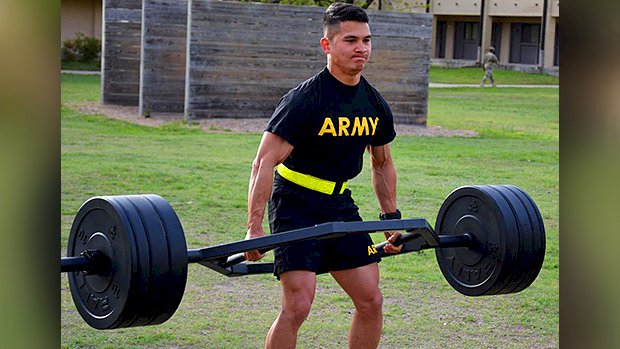 APFT vs. ACFT Since the early 1980s, the United States Army has been measuring the American soldier’s physical readiness with the Army Physical Fitness Test (APFT). This test consists of a two-mile run for time, maximum number of push-ups completed in two minutes, and maximum number of sit-ups completed in two minutes. The APFT is conducted during the soldier’s initial entry/basic training and then at their unit every six months. The soldiers do this test collectively, usually at the platoon level (that’s a team of about 30-50 soldiers). Diagnostic testing may also occur during deployments to combat zones and other countries, but these don’t involve testing “for record.” The trouble is, the modern soldier needs to train and develop multiple aspects of fitness and performance, and the APFT doesn’t reflect that. To be frank, the APFT doesn’t reflect much of anything, but beginning in October, 2020, soldiers will instead be required to take the new Army Combat Fitness Test (ACFT). This new test is a huge step in the right direction. The old APFT may have been logistically simpler to implement, but it lacked the testing of critical physical skills that the new ACFT measures: power, absolute strength, and anaerobic conditioning. Also, unlike the old APFT, the ACFT is gender neutral – there won’t be different minimum standards for females or males. Understanding specifically what the ACFT is testing will help soldiers understand how to train for it. And if you’re not planning on enlisting, it would still be a “fun” way to test your readiness. The New Test The ACFT has six events. The ACFT has six events. Let’s use the requirements for soldiers in “heavy” physically demanding units or jobs, which may be more interesting to T Nation readers and lifters. To max the test, you have to score 100. To minimally pass the test, you have to score 70. Here’s how to train for them: 1 – Three-Rep Maximum Trap-Bar Deadlift: 2 attempts to establish a 3RM To score 100:340 pounds x 3 To score 70:180 pounds x 3 This test is a display of your absolute strength. Bodyweight circuit training isn’t going to cut it for this one! Being absolutely strong is a practical thing – picking up heavy artillery shells, throwing an M2 .50 caliber machine gun over your shoulder, or climbing over a wall while wearing 100 pounds of kit and body armor isn’t going to happen without some raw strength. You’re going to need to spend time in the gym lifting weights… heavy weights. 2 – Standing Power Throw: 10-pound medicine ball thrown over and behind the head To score 100:13.5 meters To score 70:8.5 meters Throwing a grenade, jumping over a ditch, tossing an ammo can to the gunner, kicking down a door – all of this requires the ability to generate force with high velocities. You need to be explosive and violent. Sharpening your reflexes and focusing on plyometrics and a few weighted movements are going to be your best bet – things like different varieties of jumps, throws, slams, swings, and Olympic lifts. 3 – Hand-Release Push-Ups: as many as possible in two minutes To score 100:70 To score 70:30 If the soldier already has a level of general, absolute strength, then this event will be a test of muscular endurance. However, when a soldier is extremely weak, this becomes a test of their strength, and soldiers need to train accordingly. 4 – Sprint, Drag, Carry: Sprint 25 meters, drag a 90-pound sled 25 meters, side shuffle 50 meters, and carry two 40-pound kettlebells 25 meters, all for time To score 100:1:40 min. To score 70:2:09 min. This is a new form of conditioning for the Army, yet it’s the most representative of what soldiers might see on a battlefield: sprinting to cover, dragging your buddy to safety, carrying ammunition 50 meters to the front. This test requires anaerobic conditioning, so being a good distance runner isn’t going to cut it. You need lots of muscle and lots of stored glycogen. Development of this type of conditioning requires a combination of “resisted” training like farmers walks, yoke carries, sled drags/pushes, and buddy/log carries, along with “unresisted” training like various sprints and bear crawls. 5 – Leg Tuck: Hanging From Pull-Up Bar (knees to elbows) To score 100:20 reps To score 70:5 reps Like the hand-release push-up, the leg tuck is going to be an endurance test for some and a strength test for others. Generally speaking, the smaller guys are going to see this as endurance training whereas the big boys will have to look at this as part of their strength training. 6 – Two-Mile Run for Time To score 100:12:45 min. To score 70:18:00 min. Everyone who hates to run pulls the old “I’ll never need to run for two miles in combat” card, but they’re missing the point. This test evaluates aerobic capacity: overheat and seize up, or run cool and efficient under high stress and nasty hot weather. I’ve seen plenty of big boys drop out as heat casualties while their weaker, yet
Origin: Can YOU Pass the New Army Fitness Test?
Tip: Foods and Supplements That Control Cortisol
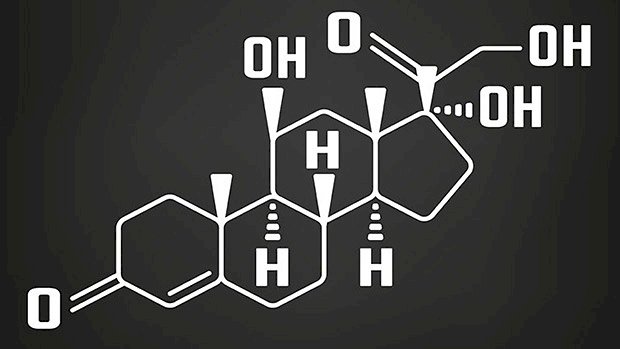 Nutrition One of the functions of cortisol is to maintain a stable blood sugar level – cortisol increases it when it’s too low. One way of minimizing cortisol is… eating carbs! Or more specifically, maintaining a normal blood sugar level. That’s why I don’t like very low-carb diets for people who are chronically stressed. It can easily lead to chronic cortisol production. Sure, you can create glucose from amino acids to maintain a stable blood sugar level. Just because you go keto doesn’t mean you’ll be flooded with excess cortisol. But eating next to no carbs, especially if you’re very active, is likely to lead to higher cortisol levels. A super high-carb diet isn’t better though. It can lead to greater blood sugar swings. But certainly, consuming around 30% of your caloric intake from carbs, ideally low glycemic ones, will help keep cortisol under control. I especially like having carbs around workouts and in the evening to decrease cortisol (and adrenaline). You want to lower cortisol in the evening to facilitate sleep and recovery. Supplements There are many strategies you can use to keep cortisol at bay. You don’t want to completely kill it; you actually need it to train hard. But you must be able to bring it back down when needed. Use workout nutrition. Easily-absorbed carbs during workouts can reduce cortisol by providing fuel. If you have carbs already available, you won’t need to mobilize as much, which will mean there’s less of a need to produce cortisol.This is especially effective when you’re doing a higher volume training plan. Plazma™ is your best option here although Surge® Workout Fuel will also work, though it has fewer of the anabolic amino acids to fuel muscle growth. Use vitamin D. This is especially important during periods of high stress. Vitamin D reduces the impact cortisol has on the conversion of noradrenaline to adrenaline. While it might not directly decrease cortisol, it prevents excessive adrenaline production, which can help prevent CNS fatigue (dopamine or noradrenaline depletion or adrenergic desensitization). Take magnesium post-workout and in the evening. Magnesium decreases the binding of adrenaline to the adrenergic receptors and can help you calm down while protecting your beta-adrenergic receptors (keeping them sensitive). Use rhodiola in the morning. Rhodiola helps keep the stimulatory and inhibitory neurotransmitters in balance and can lower cortisol. I like glycine post-workout and in the evening. Glycine is a neurological inhibitor. It slows the nervous system down when it’s too amped up, which by extension decreases cortisol and adrenaline. Furthermore, glycine increases circulating serotonin (the feel-good neurotransmitter and the mood balancer) and activates mTOR, which will increase the protein synthesis from the workout. For sleep, use Z-12™. It increases serotonin and GABA (gamma-Aminobutyric acid). These two inhibitory neurotransmitters will allow you to have a more restful night, allowing you to restore a more normal cortisol circadian rhythm, dropping it low when it’s needed most.
Origin: Tip: Foods and Supplements That Control Cortisol
Everything You Heard About Sugar is Wrong
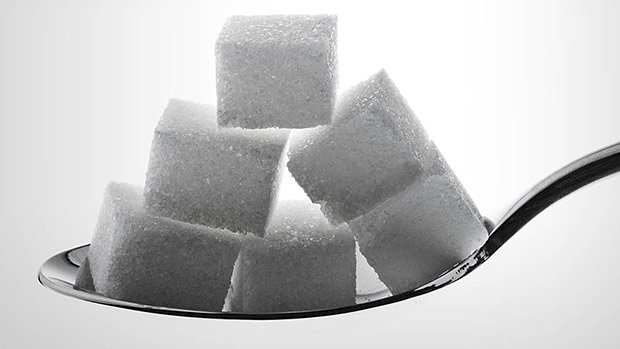 Sugar Made Me Do It! Pssst. Yeah, I’m talking to you. Have you ever, maybe after walking out of one of those Lululemon stores and seeing all those gluteally endowed sales people (and maybe mannequins, too), gone home and engaged in a little, you know, solitary sin? If you have, it’s not your fault. You’re no pervert. It’s the sugar that made you do it. At least that’s what they used to think. In the 18th century, British author Jonas Hanway wrote that sugar created “fantastic desires and bad habits in which nature has no part,” which is a polite, English, high-society way of saying that sugar makes you want to rub one out. The demonization of sugar continued on into the next century, when, in 1852, physician James Redfield argued that sugar, processed sugar in particular, was responsible for all kinds of moral failings. He thought each phase of sugar processing was a “stage in the downhill course of deception and mockery, of cowardice, cruelty, and degradation.” As such, he concluded that animals that lived on honey, like the bee, hummingbird, or bear, were brave and cautious, while those that preferred sugar lacked integrity, “as, for example, the housefly and the ant that lives in the sugar bowl.” Thirty years after Redfield made his candied zoological observations, John Harvey Kellog, the guy responsible for the grrreat Frosted Flakes in your cupboard, was back to linking sugar with improper thoughts and desires, insisting that sugar excited the genital organs. But that was then. We’re far more scientifically sophisticated nowadays. Sure. No longer do we link sugar with the impulse to pleasure yourself. Instead, we link it to the criminal mind, murder, and maybe even Nazism (Jerome Rodale, 1968). We think it’s toxic, evil, poisonous, even addictive – brother to alcohol, tobacco, cocaine, and heroin (Robert Lustig, 2013). Sugar is even believed to cause hyperactivity in children, along with diabetes and cancer. So afraid are we of sugar in general that some otherwise reasonable people now tend to avoid fruit, lest the sweet demon possess them and bring them to physical ruin. What in the world of sweet-tasting carbohydrates is going on? Sugar doesn’t lead to, or cause, any of the things listed above. In moderation, it’s a fairly innocuous and downright pleasurable foodstuff. Let’s look at each of these more modern accusations and see if there’s even a shred of merit to them, but first, let’s define exactly what we’re talking about when the topic is sugar. A Sugar by Any Other Name Much the same as 19th century physician James Redfield, we tend to ascribe different levels of evilness to different kinds of sugar, with white, refined sugar (sucrose) being regarded as the worst. What we need to remember is that all carbohydrates are sugar and that all carbohydrates, whether they be oatmeal, sweet potato, or table sugar, get broken down (hydrolyzed) in the digestive tract into the same three molecules: Glucose Fructose Galactose The only difference, as far as your body is concerned, are 1) that some carbs are more easily digested while others (fiber) resist digestion, and 2) fructose is metabolized almost solely by the liver, while glucose is dumped directly into the bloodstream and transported directly to all tissues. About 41% of fructose is also converted into glucose within 3-6 hours. The rest of it is oxidized, converted to lactate, or converted to glycogen and stored. Less than 1% is converted to plasma triglycerides, or fat. And all those fructose studies that cited liver damage and fatness? Most of them used amounts as high as 315 grams of fructose a day, which is equal to about 45 bananas. But the important point remains: All carbs, in the end, are pretty much equal; their digestive end products are the same. Table sugar is no more “evil” than any other type of carbohydrate; it’s just more concentrated and easier to digest. Sugar Isn’t Responsible for Diabetes Despite the widespread belief that sugar causes diabetes, there’s no one-to-one correlation between sugar and diabetes. Even The American Diabetes Association agrees. Sure, they recommend that you avoid marinating yourself with Mountain Dew all day, but there’s little evidence to prove that moderate amounts of sugar will cause diabetes. That being said, a diet high in simple sugars and simple carbs can reduce insulin resistance over time, thus leading to Type 2 diabetes, but that’s entirely different than the direct cause/effect pattern touted by most decriers of sugar. Additionally, brand-spanking new research has shown that high-fat, high-carb, high-calorie meals (junk food) can have an inflammatory effect on the gut, allowing proteases (protein-eating enzymes) to leak through, enter the bloodstream, and “digest” insulin receptors on blood cells. This effect, if repeated often enough by continuing to eat poorly, could then result in Type 2 diabetes, but again, the culprit isn’t specifically sugar. No, Sugar Doesn’t “Feed” Cancer
Origin: Everything You Heard About Sugar is Wrong
Tip: The Landmine Exercise for Athletes
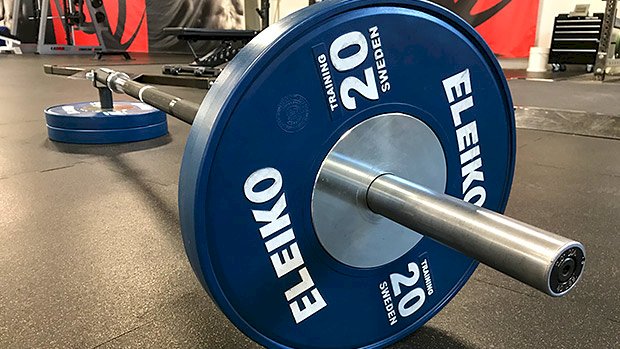 The Athletic Landmine Mastering the regular landmine lifts instantly makes all other strength and performance training better. It requires the ability to create full body tension from a standing position, which is more “functional” for most athletes. The next progression is to create a more reactive and explosive environment. The ability to decelerate, stabilize, and re-accelerate is key for optimal performance. To do the athletic landmine, start with a regular landmine “full contact twist” before you create a forceful rotation and perform a side shuffle movement starting from the core and hips. The bar coming down to the side will load the hips and core muscles, much like a coil. The purpose is to quickly and precisely stop the barbell/weight, before re-accelerating it to the other side. Even though the exercise isn’t super advanced, safe execution requires a strong core and good timing. Start light and make sure you have the regular landmine move under control. You don’t want to go too heavy here. You won’t get max power output with the heaviest
Origin: Tip: The Landmine Exercise for Athletes
4 Reasons You’ve Got No Rear Delts
 The deltoids are an easy muscle to hit… unless you’re talking about the rear deltoids. Targeting this muscle group takes more than doing standard dumbbell reverse flyes. Here’s what you need to know and do: 1 – You’re Going Too Heavy I cringe when someone does sets of 50-pound dumbbell reverse flyes, or buries their face into a pec dec hybrid machine to perform horribly executed reverse flyes with the stack. There’s a reason your rear delts are underdeveloped and weak – it’s because you’re using too much weight to get the job done and other muscle groups are actually completing the rep. Since the rear delts aren’t easy to hit, we need to respect that it won’t take much weight to hit them hard. It can, of course, be argued that delt-recruiting exercises like high pulls or cleans can be performed with heavy weight, but the amount of work that’s actually done by the upper traps and other back musculature is high. 2 – Your Hand Position is Wrong So much of our rear deltoid training is dedicated to arm abduction, but it neglects rotation. Doing bent-over flyes is all fine and dandy, but it only tackles one function of the rear delts. What you need to do instead is turn your hands so the palms face forward. You get a much fuller, much more targeted contraction. As a bonus, turning the wrists so the palms face forward on the bent-over reverse fly also helps prevent the shoulder glide that can be incurred from using a neutral or internally rotated grip. The same holds true for the face pull. Incorporating an external rotation so the hands finish higher up, over the head, can be a game-changer for just how much you feel it in the target muscles. If you’re big and wide with long arms, then using two ropes is better than one. To take things to the next level, adding a “slide” component to a face pull (like a resisted scapular slide) makes the delts responsible for external rotation from a variety of arm angles through the force curve. This is a great progression to standard wall slides. 3 – You Need to Add Isometrics The good thing about isometrics? You’re able to apply maximal forces in ranges where typical reps of an exercise merely pass through. That means a lifter will typically spend just an instant at full shoulder extension or flexion, with the meat of the rep being felt at basically every other arm angle but those positions. Working the snot out of shoulders at full flexion and extension end ranges with isometrics can not only be the hidden key to creating more available range of motion for immobile, injury-prone shoulders, but also to help develop dormant muscle groups like the rear delts, which otherwise get little to no play in exercises intended for them. Using isometrics as a primer to common exercises – or as their own exercise to be paired or grouped with others – is a great way to get the most out of your muscles through the greatest range possible. This video shows me putting T Nation editor Dani Shugart through a few of these rear deltoid and upper back isometrics. 4 – You’re Doing Same Motion Over and Over Again Every rear delt movement I see has the lifter start with his hands and arms in line with his body, then proceeding to move them outward (think of the rear delt flyes I showed above). There’s nothing wrong with this, other than the fact that solely focusing on this kind of path severely limits how much of your muscle you’re going to hit. To change things up, try setting up on a cable machine for constant tension: This is a very isolated pattern that, when done correctly, absolutely torches the rear delts. It’s important to maintain the same elbow angle throughout the entire range of motion. This isn’t a triceps exercise; the fulcrum is the shoulder. Pull the arm all the way across the body as though you’re trying to cover your mouth with your biceps. Then aim down toward your outside shoe with your fist. It’ll take a few reps to initially feel, but once you’re rolling, you’ll get an insane pump in the target
Origin: 4 Reasons You’ve Got No Rear Delts
 All about sport xlsport.club