
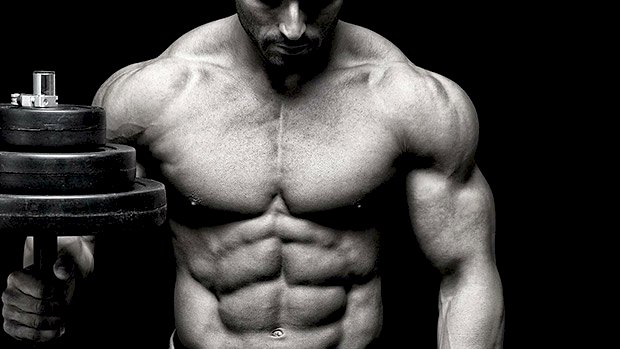
 So I’m doing a set of overhead dumbbell presses at the gym when I overhear a client complaining to her trainer that she needs to “shrink her stomach” for an upcoming high school reunion. Now get this, her trainer – a guy I know and normally respect – didn’t ask about her diet. Nor did he at least march her 10-years-past-high-school cheeks over to the treadmill. Instead, he leads her through a 15-minute ab routine consisting of incline sit-ups, crunches, and (groan), side bends. What’s annoying about this is that the trainer knows that all the ab exercises in the world aren’t going to do a damn thing about a midsection grown soft by a steady diet of wine, gouda cheese, and avocado toast. But then I started thinking about it. Maybe he doesn’t know ab exercises don’t result in spot reduction. And if he doesn’t know, how many other trainers and regular folk don’t know? Maybe it’s one of those myths that still persist despite all contrary evidence, like how you’re supposed to pee on your leg if you get stung by a jellyfish. So I was curious to see if there were any studies to either confirm (ha!) or, once and for all, disprove the notion that ab exercises lead to fat reduction around the waist. There aren’t many that deal with the subject, but the best one seems to have been published in the Journal of Strength and Conditioning a few years ago. Here’s what the researchers did and what they found. Consider it a public service announcement and send it to any trainers, friends, or acquaintances still suffering from Ab Exercise Delusion Syndrome. What They Did The researchers recruited 24 participants (14 men and 10 women) and randomly assigned them to either a control group or an exercise group. Anthropometrics, body comp, and abdominal endurance were tested before and after training. The exercise group performed 7 different ab movements: Bent-Knee Sit-Ups Lateral Trunk Flexion Leg Lifts Oblique Crunches Stability Ball Crunches Stability Ball Twists Abdominal Crunches Each exercise was performed for 2 sets of 10 reps. Subjects trained 5 days a week for 6 weeks. What They Found “Abdominal exercise did not result in change in measures of abdominal fat (android fat measured by DXA, waist circumference, abdominal skinfold) compared to the control group.” The exercise group did, of course, build greater abdominal strength and endurance, though. What This Means to You No matter how much we want it to be true, ab exercises won’t give you a Hymenopteran waist (that’s “wasp-like” to you non-entomologists). Women in particular should take note of this fact because legions of them have fallen victim to doing too much direct ab and oblique work. They’ve bought into the notion of spot reduction but sadly, it’s led to thicker midsections. Why? Because the more you train a muscle, the bigger it gets. That woman who wanted to “tone up” her stomach for her class reunion that I mentioned in the intro? By working her abs hard and long, she’ll likely have even more trouble fitting into that floral bodycon number she picked up at Dress Barn. And, okay, maybe that slightly thicker waist is okay with her when she’s lean, but when she puts on even a little fat, she’s going to look even less hour-glass shaped than before. If you’re like most women, you want a flat, tapered waistline. You get that through a combination of diet, metabolic conditioning, and whole-body exercise – not by doing countless ab exercises. Unless you want your abs to stand out in sharp relief, you should work them briefly, infrequently, and probably without any additional resistance. If, however, you want your abs to pop (like most men), you can add resistance and train them like any other muscle group so that they’ll grow and say
Origin: Tip: Can You Shrink Your Waistline by Working Abs?
Author: ondriving
Tip: The Best Foods for Sexual Health
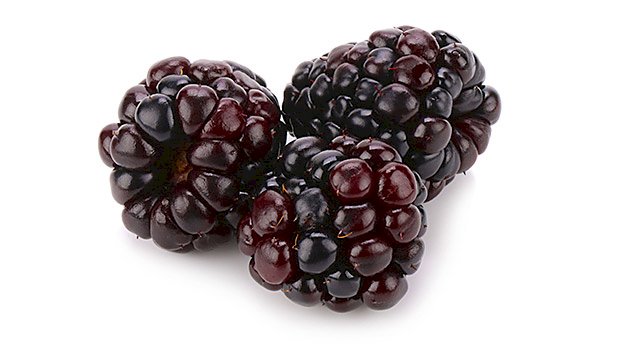 The Manliest Meal Here’s a scenario for you female types: You meet someone you kinda-sorta like at the gym and you agree to meet him at the Outback Steakhouse for dinner. You, the bench-pressing, deadlifting, 100% woman that you are, order the Melbourne Porterhouse, cooked so rare you can put your ear to it and hear the sounds of the Australian prairie. But instead of asking for some equally bovine entrée, your date just orders the salad and nothing else: a plate full of lettuce, radishes, and carrots, accompanied with some small grouping of blueberries and strawberries. Now be honest. Didn’t your thighs suddenly clench tightly together? Didn’t an old, weather-worn sign proclaiming that “This here billabong has gone completely dry” suddenly pop up in front of your female parts? There’s no way you’d sleep with this, this… herbivore, right? He’s obviously a low-testosterone hamster, or rather, since you’re eating “Aussie” food, a gerbil, right? Well, get ready to be served a big Bloomin’ Onion of irony, missy, because a new study shows that your fruit-salad munching friend is more likely to be able to achieve and sustain a strong erection than the steak-eating guy who skimps on the plant food. Blue Berries Inversely Related to Blue Balls Researchers from the University of East Anglia and Harvard recently published the results of a large, population-based study in which they monitored over 50,000 men over the course of 30 years. The men were periodically asked about their ability to achieve and maintain an erection, tracking back to 1986. The study found that those who regularly ate foods rich in certain polyphenols (e.g., anthocyanins, flavanones, and flavones) had improved sexual function and were far less likely to suffer from any kind of erectile dysfunction. Foods that contain these particular polyphenols and that were prevalent in the diets of strong-erection men include blueberries, cherries, blackberries, and radishes. Encouragingly, the results were seen from eating what lead researcher Aedin Cassidy described as “just a few portions a week.” Strong Heart, Strong Penis It’s well known that certain polyphenols – anthocyanins and flavonoids in particular – are associated with a reduced incidence of diabetes and cardiovascular disease, and generally speaking, a good heart equals a good erection. After all, it’s all about hydraulics. So it stands to reason that if dietary polyphenols prevent or slow down the development of these diseases, you ipso facto get better erections. Of course, there are likely other mechanisms involved, too. Certain anthocyanins can activate the enzyme AMPK, which affects nitrous oxide systems, which in turn control the intensity and duration of erections. How to Use This Info It’s clear that ingesting certain polyphenols, most notably those found in blueberries, strawberries, blackberries, radishes, red wine, apples, pears, and citrus products, can improve erections and help prevent erectile dysfunction. Exactly how much you’d have to eat requires further study, but it looks like you could easily duplicate the benefits experienced by the men in this study by adding a handful of blueberries to your cereal or protein shake a few times a week. Alternately, you could go the supplement route to make things even easier. Indigo-3G® is an anthocyanin product that was designed to increase insulin sensitivity, but it’s also about the most concentrated form of the anthocyanins available and should go a long way in fortifying sexual function. Likewise, the product Superfood, which is a freeze-dried preparation consisting of 18 different fruits and vegetables, contains abundant amounts of the polyphenols singled out in the erection study. Oh, one more thing, and it goes back to the beef-tongue-in-cheek opening of the article: Steak eaters would have at least one turgid leg up over people who only ate polyphenol-rich foods and not animal flesh. The meat eaters get lots more vitamin B12 than non-animal flesh eaters in general, and B-12 is essential to strong erections. The take-to-bed message regarding erections is this, though: A strong and hale erection is indicative of overall health. It’s the flaccid canary in a coalmine, and if your canary is dead, failing, or flailing, start by shoring up your nutrition with polyphenols (and maybe even some more animal
Origin: Tip: The Best Foods for Sexual Health
Tip: The Perfect Anabolic Drink
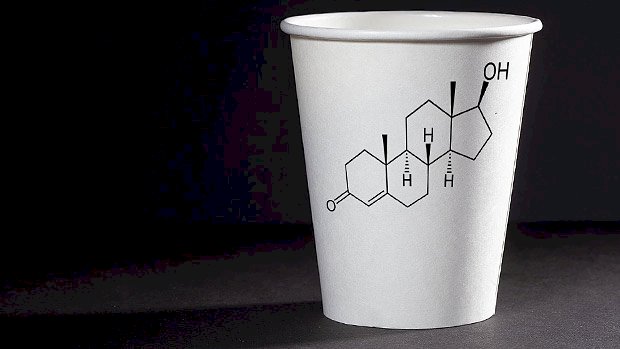 The Healthiest Drink in the World That’s it. The contest is over. We knew coffee lowered the risk of heart disease, thwarted different types of cancer, protected your liver, lowered your risk of type 2 diabetes, and made you live longer in general, but the results of a new study cinch it. Coffee, I’m naming you the healthiest drink in the world. Granted, your previous accomplishments were all praiseworthy, but when the American Journal of Clinical Nutrition reported that drinking coffee has been found to elevate testosterone while simultaneously lowering estrogen in both men and women, I ordered the cake, rented out the local Moose Lodge, sent out all the invites, and blew up all the celebratory balloons for your coronation. What They Did Epidemiologists from Harvard University looked at data from 15,551 women and 7,397 men who’d participated in the Nurses’ Health Study and the Health Professionals Follow-Up study. They wanted to know how drinking coffee affected C-peptide levels, estrone, total and free estradiol, total and free testosterone, total adipokinectin, high-molecular-weight adipokinectin, leptin, C-reactive protein, interleukin 6, and soluble tumor necrosis factor receptor 2, among other things. What They Found Compared with non-drinkers, subjects who drank four or more cups of coffee a day had lower concentrations of estrone (-6.4%), total estradiol (-5.7%), and free estradiol (-8.1%), while displaying higher levels of free testosterone (7.3% in women and 3.6% in men), and total testosterone (9.3% in women and 5.3% in men). Levels of C-peptide, leptin, C-reactive protein, IL-6, and sTNFR-2 all went down too, while levels of the fat-burning hormome adipokinectin went up (9.3%). The effects were dose dependent, meaning that while one daily cup of coffee had some beneficial effects, two cups worked better and three worked better still, while four or more cups showed maximum benefits. Perhaps surprisingly, it didn’t seem to matter whether the participants were drinking caffeinated or decaffeinated coffee – the effects were largely similar. The researchers concluded the following: “Our data indicate that coffee consumption is associated with favorable profiles of numerous biomarkers in key metabolic and inflammatory pathways.” How to Use This Info So what is it about coffee that makes it so damn healthy to drink? It definitely has nothing to do with caffeine, as this study and numerous others – including at least one that measured the ergogenic benefits of coffee – found that the advantages were conveyed equally well by decaf coffees. Instead, it likely has something to do with the over 1,000 biologically active compounds found in the drink, but while many of them are highly anti-inflammatory and anti-oxidative, there’s one that appears to be particularly gifted in those areas. It’s known as chlorogenic acid, or CGA. Therefore it makes sense that we should seek out brews that are particularly rich in CGA. Here’s how to make sure you’re getting the stuff that raises testosterone and lowers estrogen the most: Opt for Kenyan, Ethiopian, or Columbian, because coffee beans grown at high altitudes and near the equator have the highest amount of CGA. If you’re buying grocery store brands, opt for Dunkin’ Donuts Original Blend and McCafe Premium Roast Decaf, medium roast. As far as general CGA guidelines, keep the following in mind: Flavored blends don’t usually have a high CGA content because they typically use low-quality, low CGA beans (the artificial flavor negates the need for good-tasting, high-CGA beans). Light and medium roast coffees preserve CGA, while dark roasts destroy them (along with generating undesirable byproducts like acrylamide, the carcinogen found in French fries and potato chips). Use fresh ground coffee beans when possible. Pre-ground versions usually lack flavor and are short on CGA. Very fine grinds are the most healthful, but also the most bitter. Medium grinds have an acceptable amount of
Origin: Tip: The Perfect Anabolic Drink
Tip: Which Type of Milk Should You Drink?
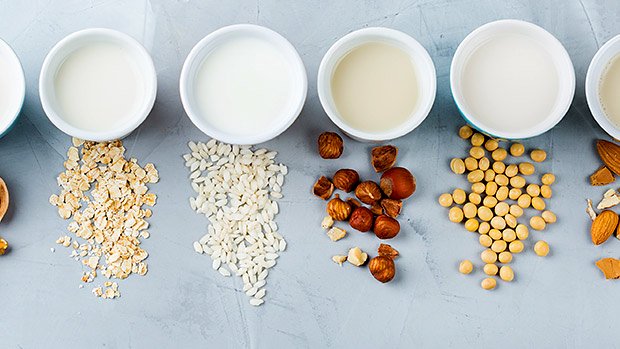 Let’s First Get One Thing Straight… Milk is what female mammals secrete to nourish their young, so calling the liquid you get by pulverizing any of various seeds, nuts, or fruits “milk” is hugely inaccurate. There are, after all, no soybeans, almonds, oats, or coconuts that lactate, even though the last one kind of looks like a hairy hooter. Regardless of what you call them, these plant-based juices are hugely popular. Just stand in line at your local Starbucks and see how many hamsters signal their nutritional virtue by ordering their lattes with one of these milk alternatives (as if replacing milk with a dollop of one of these sugar-saturated Frankenjuices is going to make a difference in their health). Any way you look at it, though, regular, whole-fat milk is nutritionally superior to all of the plant-based alternatives. There are, however, two completely valid reasons not to make milk your choice of liquid to pour on your cereal, mix in your protein drink, or whiten up your coffee – one, you’re vegan, which by definition rules out cow’s milk, or two, you’re lactose intolerant, in which case cow’s milk is your digestive enemy. I should also accept that many of you, because of pasteurization, the China Study, or maybe because it comes out of a cow’s lady parts, think that cow’s milk is what the devil dips his raspberry scones into and thus won’t touch it. Fine. Those delusions are, as they say, beyond the scope of this article. Regardless of your reasons, there’s one, possibly two, milk substitutes that make for a valid alternative to milk. They’re oat milk and cashew milk. A Bunch of Players But None of Them Starters The idea behind most plant-based milks sounds great. Sure, mash up some plant matter. Strain out the crap, add water, and fill up on pure plant nutrients, proteins, and fatty acids. Too bad it doesn’t really pan out that way. Take almond milk, for instance. It gives you none (or very little) of the benefits of almonds, which include proteins and good fats, and neither does it give you the benefits of regular milk since it lacks calcium. For one thing, each carton only contains a handful of almonds, and the handful in question is a wee, gnarled, arthritic thing that can only scoop up a couple of almonds without spilling them onto her orthopedic shoes. Not only that, but when you strain out the insoluble stuff from the “milk,” you lose most of the stuff you’d eat almonds for in the first place. Of course, manufacturers usually add calcium and vitamins A, D, and B-12 (along with a bunch of sugar, unless you get unsweetened variety), but you’re still getting very little protein – about 1 gram per cup, compared to about 8 grams for milk. It’s true, though, that almond milk is generally 50% lower in calories than cow’s milk since it lacks any significant amounts of fat and, since it’s not an animal product, it contains no saturated fat or cholesterol… if any of that matters to you. (Unsweetened almond milk is also virtually carb-free if that’s something you’re looking out for.) Few of the other milk substitutes fare much better as they each have their individual drawbacks. Pea protein milk is higher in protein than almost all of the others, but it’s not made with the whole pea and, as such, lacks the polyphenols that would make it a truly healthy drink. Plus, its second major ingredient is sunflower oil, which is rich in the omega 6 fatty acids that most of us already sop up too much of every day. Coconut milk tastes great as it’s just watered down coconut fat. It’s probably similar in nutritional value to some of the nut drinks, but it’s really calorie dense, especially if you choose a sweetened variety. Of course, if you want to cash in on MCT oils (of which all four varieties are present in coconut milk), drinking it is an okay strategy since approximately 60% of its fatty acid content is made up of MCTs. Soymilk, one of the pioneers of the genre, is higher in protein than some of the nut based milks, but it’s basically intolerable, taste-wise (unless you choose one that’s been sweetened up the wazoo), and it’s so pale and watery that I’m surprised they haven’t slapped a Coors label on it to expand their market. Another strike against soymilk is the possible presence of certain plant isoflavones that mimic estrogen and can, in the long run, create hormonal havoc in both men and women. That pretty much leaves us with oat milk and cashew nut milk. So Why Do Oat Milk and Cashew Nut Get a Pass? Most oat milks are made of nothing but oats, water (in the ratio of 1 cup of oats to three-fourths cup of water), sea salt, and a bit of rapeseed oil. Nutritionally, each cup has about 120 calories, 5 grams of fat, 16 grams of carbs (of which 7 are from naturally occurring sugars), 2 grams of fiber, and about 3 grams of protein. Compared to milk, that’s a little more sugar, a little less fat, and a lot less protein, but drinking milk alternatives for their protein is like eating rum
Origin: Tip: Which Type of Milk Should You Drink?
Flip Side Physique Development
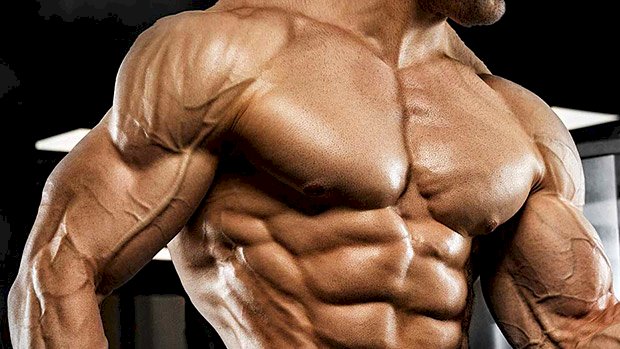 Still eating the same food, following the same diet, and doing basically the same workouts? Sure, consistency is important, but if you’re not making progress anymore it may be time to do the opposite, at least for a while. If You Always Eat Low Carb… Raise your carbs for a week or so. Eating more will serve as an “anabolic switch” of sorts allowing you to bust through the muscle-building plateau you’re likely experiencing if you’ve been a low-carber for a while. The increase in anabolism will occur primarily because of the subsequent insulin secretion (thanks to the bump in carbs) and an activation of mTOR (2). Likewise, your training performance will be better because of the increased glycogen your muscles will store (2). Your ability to get more reps with a given weight will improve, especially on subsequent sets of an exercise or other exercises for the same body part. Getting more reps will lead to muscular hypertrophy as an adaptive response to an increase in time under tension and metabolic stress (4). You’ll also get to enjoy some skin-stretching pumps like you haven’t felt in a while. Even if you don’t compare a good pump to climaxing, like Arnold did, it still feels good to get your swole on. Another, often overlooked, benefit to eating carbs is ingesting the nutrients contained in them, particularly via fruit and vegetables. Don’t use your period of increased carb consumption as an excuse to eat junk. Choose healthy, nutrient-dense carb sources, including those that are high in fiber. Expect to gain a few pounds relatively quickly, largely from increased glycogen storage. And make sure to maximize your time consuming copious carbs by training hard with a higher training volume than normal. This will maximize the amount of lean muscle mass gained during this insulin/mTOR-mediated period of increased anabolism. If You Always Eat High Carb… Try a low-carb diet. Although you’re likely to lose some excess water weight, that’s just the beginning. Your body will be forced to burn fat for fuel and will get more efficient at this process (1). This is also called beta oxidation of fatty acids, which occurs in the mitochondria within cells. Speaking of mitochondria, another adaptation to a low-carb diet is increased mitochondrial biogenesis (2). This simply means the mitochondria will grow in size and/or number. Given that the mitochondria produce energy (i.e. burn fat), this is a huge benefit. Taking a break from carbs may also help reduce inflammation (3). When available, carbs are the preferred source of quick energy production for your body and brain. So be prepared for it to take about three days for your body to run out of stored carbs and get reacquainted with the fat-burning byproduct, ketones, for energy. However, if you get to that point, you’ll likely notice that your overall energy is stable, and your hunger and cravings are reduced. This is confirmation that your effort was well spent. After all, you want your body to be metabolically flexible – ready, willing, and able to efficiently use fat for energy. In my experience (supported by research), occasionally doing a low-carb or ketogenic diet makes your body more efficient at burning fat regardless of what type of diet you use most of the time. This makes fat loss easier, both physically and mentally. That’s metabolic flexibility in action! That’s why I recommend implementing a low-carb diet fairly regularly – to make sure your body’s ready to oxidize fat. Like Snoop Dogg says, “If you stay ready, you ain’t gotta get ready.” If You Always Train Like A Bodybuilder… Try exercising like an athlete. After long periods of training with a traditional body part split, moderate rep speed, and the typical 8-15 reps, your body could really benefit from a change. So instead of looking at training through the lens of muscle groups, shift your focus to a movement-based, athletic approach. Work out like an MMA fighter, football player, or do some CrossFit-style training, all of which focus more on doing explosive, athletic-type exercises that train a particular movement as opposed to a certain muscle. Box jumps, clapping push-ups, medicine ball throws, kettlebell swings, ladder and cone drills, Olympic lifts, as well as sledgehammering and/or flipping a big-ass tire are exercises that practically never make it into a bodybuilding routine. That’s precisely why they’ll be of such benefit. Explosive exercises will increase your power output and cause positive neuromuscular adaptations. For example, an increase high-threshold motor unit recruitment and rate coding, as well as hypertrophy of fast twitch, type-II muscle fibers (which happen to have the highest potential for growth) occur as a result of training for power (5). Simply put, fast-twitch muscle fibers and the nerves that innervate them become more efficient via training explosively, leading to muscle growth. Performing unique, dynamic movements that you don’t typically do will
Origin: Flip Side Physique Development
Tip: Is This Thing Worth Using?
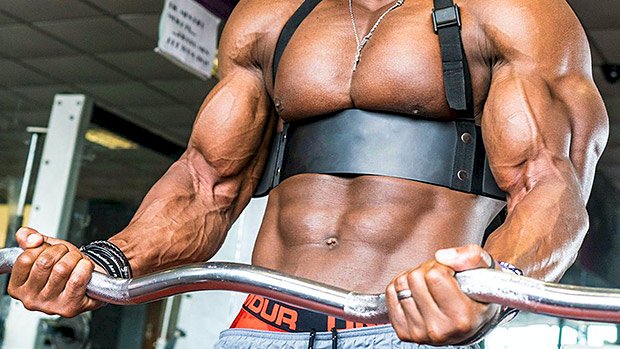 When you curl, the weight moves out in front of your feet and out of your base of support. Long, lanky arms amplify this problem. When the weights get heavy, your focus shifts away from your biceps to stabilizing your body. However, the old-school training accessory called the “arm blaster” fixes the problem. Benefits By resting your triceps on the arm blaster, you can focus on flexing your biceps. This gives you similar isolation to preacher curls without the added elbow stress at the bottom and loss of tension at the top. Tip: Resist the urge to let you triceps move off the arm blaster as you curl the weight up. Good Alternatives: No arm blaster? No problem! If you have long arms, curl with your back against a wall or do seated dumbbell curls on a back-supporting
Origin: Tip: Is This Thing Worth Using?
Tip: A New Angle on the Shoulder Press
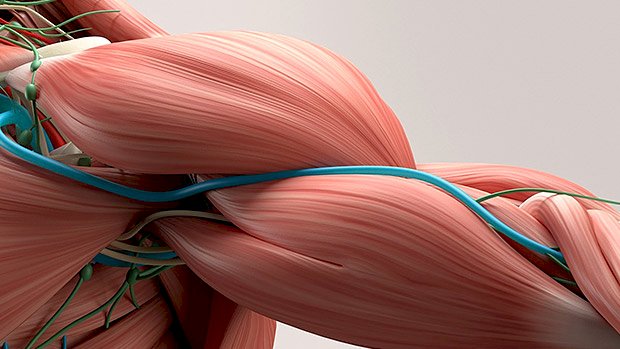 Heavy overhead presses are key for shoulder development. However, the anterior shoulder and triceps do most of the work. If you want your shoulder presses to be more posterior-delt dominant, give this angled shoulder press variation a shot. Set up on the lowest point on the cable machine and use no attachment. Using a staggered stance, position your body at an angle, keep your chest up, and brace your core. This setup will allow you to create enough tension for stability purposes. Position the handle in front of your shoulder. You should be feeling tension in your delt. Keep your elbow close to you. Press up along the same line of your body (at an angle), and reverse the movement to the starting position. This exercise is great if you have limited shoulder mobility or if you’re trying to target more of the posterior delt. It’s a great exercise for keeping constant tension on the muscle with moderate loads. Try this for 3-4 sets of 12-15 reps per
Origin: Tip: A New Angle on the Shoulder Press
How To Build Superhero Muscle
 When a Hollywood actor bursts onto the big screen with some new muscle, there’s always a lot of hoopla surrounding what he did to obtain that look. The usual drivel from spaghetti-armed twat-waffles revolves around what his cycle looks like. Never mind that in some cases, like with Hugh Jackman, it took these actors years to transform their physiques into something respectable for the silver screen. And here’s a fun fact – a lean physique looks visibly larger onscreen than a gluttonous hot dog eating dad-bod. A lean 180 pounds on the big screen is far more appealing and actually looks more jacked than 240 pounds of neck rolls and love handles. I’ve talked with various Hollywood trainers, and there’s a “recipe” they all use to get their clients looking jacked for their roles. And it actually doesn’t involve growth hormone, testosterone, or clenbuterol. Sure, if the actor is overweight, the coach must work on getting him lean. If he’s needing more muscle, the goal must be to gain a few pounds of lean mass while keeping fat gain to a minimum. But there’s more to it than that. And this is what the average lifter can focus on if he’s wanting to achieve the superhero or action star look. Building the Top Shelf There are three areas of musculature coaches prioritize to get that “quickly jacked” look for their clients. It’s the top shelf of the torso: the traps, delts, and upper chest. Bringing up these areas as quickly as possible will give that “woah, he musta done a cycle!” look to their clients. When you combine that with a fairly lean physique, it pops on the big screen, and usually gives people the impression that the actor gained more muscle than he actually did. And yes, it can do the same for you. But first, you have to get your body fat low enough to show those muscles off. So before we get into the building portion, let’s talk about diet and cardio. Superstar Nutrition Believe it or not, the coaches that deal with these celeb clients aren’t surfing through PubMed to find the latest research to get their clients looking sharp. Here are the sentiments I’ve heard: “If they need to bulk up, I have them eat more and do very little cardio with a lot of heavy lifting.” “If they need to get lean, I keep all their food clean, feed them a lot of extra protein, and have them do extra cardio to get the fat off.” It’s almost like they took this approach right out of the Bro Bible… you know, the one that people slam all the time for being based on trial and error rather than studies. The truth is, bro-diets work. They don’t actually go against any science and they keep the process very simple. One other thing – the gaining phase was only implemented if the actor was lean to begin with. If not, it was accomplished before the force feeding began. Their guidelines are very much like stuff you’d read out of old muscle mags: Eat minimally processed foods and cut the junk out. Eat a significant amount of animal protein at each meal for fat loss and mass phases. Aim for five meals a day regardless of whether they’re in a fat loss or mass phase. During fat loss, carbs are minimized and kept to around the training window (before, during, and after). During fat loss phases, vegetables were increased at most meals for satiety. During a mass phases, carbs were increased, but not by a ton. Strangely enough, there was no talk of counting calories. As long as food was kept to minimally processed sources, it was simply increased or reduced in serving size for each goal. In other words, in the fat loss phase they simply reduced overall quantity of foods, rather than focusing on exact calories and macros. Before all the calorie and macro counting, this was also how Arnold and company approached their mass gaining and fat loss phases. I’m big on counting calories and macros, but I also know that if you’re simply selecting nutrient dense, minimally processed foods, you’ll often end up in an energy deficit, especially if you’re minding your portions, lifting, and doing some cardio. What About Cardio? There were a few approaches. Since there’s no fat loss benefit or advantage of HIIT over steady state moderate intensity cardio (1), they simply went with the one the client preferred. Trainers prescribed more cardio during fat loss phases and less during mass phases. It was never completely taken out during either time, just increased or reduced to reach the goal. For fat loss, a daily cardio session that was separate from the lifting was the norm. Ten to fifteen minutes of it post-weight training was commonly used during mass gaining phases. Training for the Yoked Look As noted, bringing up the traps, delts, and upper chest was the focus in all scenarios. Let’s break it down: For the Upper Chest As you might expect, trainers prescribed a lot of incline chest work. This meant incline pressing variations, incline flyes, and cable work. The two best variations here are the low-incline Smith machine press and the
Origin: How To Build Superhero Muscle
Tip: The Figure-8 Farmer’s Walk
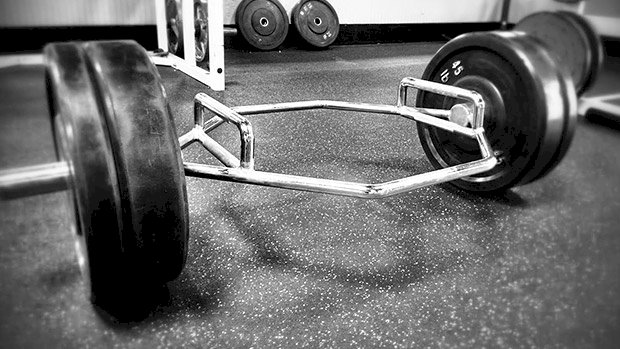 Farmer’s walks are a game-changer for total-body strength and size. However, there’s a good chance you don’t do them because your gym doesn’t have farmer’s walk bars or a nice long strip of turf to do them. Enter the trap bar figure-8 farmer’s walk. The Benefits Great for building your upper back and traps. Easy to load heavy. Unless your gym has farmer’s walk implements, you’ll quickly out-grow this exercise using dumbbells or kettlebells. They make turns easier. Even if you have access to farmer’s walk implements, you’ll find them very difficult to turn when the weight gets heavy. This can place a lot of extra rotational torque on your lower back. This isn’t a big deal if you have a nice long runway. With a trap bar, you can easily do a figure-8 pattern in a relatively small area. This gives you a practical way to lift heavy weight AND extend your time under tension. Tips Dig your hands into the handles in the set-up. Don’t just hold the weight – crush it! Maintain perfect deadlift technique as you lift the weight. Resist the urge to rush. A slow, controlled pace makes the turns easier, reduces your risk of tripping, and extends your time under tension. Keep your chest up even as you get tired. At the end of your set, stop your body and the weight, then lower under control (again, think proper deadlift form). Good alternative: Use heavy dumbbells or kettlebells – a temporary fix until you get your gym to buy a trap
Origin: Tip: The Figure-8 Farmer’s Walk
The Happy Powder
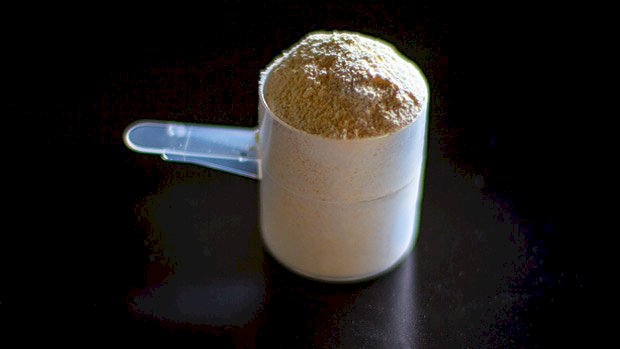 Does your motivation sometimes drag? Are you mentally tired? Do you have more negative thoughts than you’d care to admit? Or do you simply not enjoy life as much as you used to? Maybe this doesn’t sound like you right away, because you’re doing okay in life. But you know what? It creeps up on you. You likely don’t even notice what’s become of your energy, mood, and motivation. You think the rut you’re in now is just part of being an adult. But maybe you’re just not giving your brain what it needs to be optimized. You’ve been like this for so long that it feels normal. But your “normal” could feel way better. So how do you optimize your brain, get motivated, have a more positive outlook on life, gain more energy, and build and tap into more strength? You do it by improving your brain chemistry. And it starts with improving dopamine and acetylcholine, the two target neurotransmitters of Power Drive®. The Academic and Athletic Edge I started using Power Drive® in 1999 when it was given to me by a strength and conditioning coach. I was in college and competing in Olympic lifting. The first week I tried it, I aced my neurophysiology exam (weird coincidence) and hit a huge PR on the snatch. I was hooked. When I became a strength coach, it became a staple for my athletes too. As a new coach, I didn’t know then what I know now and inadvertently overloaded the athletes with too much volume and intensity. But they thrived, and I credit Power Drive® for their ability to continue performing at a high level. For a while, Power Drive® wasn’t available. Sadness ensued. But now it’s back! Let’s talk about what it does and how it does it. Acetylcholine: The Optimizer While all neurotransmitters are important, acetylcholine may be the most important one, at least for those of us who want to be strong, athletic, and smart. Acetylcholine is key when it comes to being a skilled athlete or someone who improves fast on his big lifts. If you’re a football player who needs agility and creativity on the field, acetylcholine is your best ally. If you play baseball and a need lightning-fast reaction to the pitch? You can’t do that with low acetylcholine. And let’s say you’re a CrossFit dude who needs to master two thousand skills and can’t afford to train them all every week. Well, if your acetylcholine is low you better forget about that; you’ll never keep any level of technical efficiency on skills you can’t train consistently. Acetylcholine is heavily involved in storing knowledge, so it plays a key role in both intellectual and motor learning. People with high acetylcholine levels learn information more easily, retain it, and are better able to retrieve it when needed. They’re also better at learning new movements and automating them. Acetylcholine is also important for hypertrophy, strength, and power. It acts directly on the neuromuscular junction where the neural drive connects with the muscle to activate it. As a result, high acetylcholine increases muscle control, mind-muscle connection, and muscle contraction strength by improving the speed of the message to contract. It also plays a key role in triggering the stretch reflex. This reflex occurs when a muscle is rapidly stretched. As a protective mechanism, it triggers a reflex muscle contraction to shorten the muscle, reducing the risk of tearing that muscle. It also greatly contributes to force and speed production. A good example of the stretch reflex in action is when you catch the rebound in the bottom of a squat. Sprinting, jumping, and especially quick changes of direction are heavily dependent on the stretch reflex. Athletes with a better stretch reflex are faster, more agile, and more powerful. Insufficient acetylcholine decreases the sensitivity and strength of the stretch reflex. Brain Benefits Acetylcholine is important for creativity. People with a high level of this neurotransmitter tend to think outside of the box and also want to try new things. I believe creativity is highly dependent on your ability to quickly make connections between the information stored in your brain. This allows you to create new solutions, and acetylcholine can help you do that. It’s worth noting that acetylcholine can protect all the other neurotransmitters you produce and make them more effective. It does so by speeding up the transmission of the messages from other neurotransmitters. Your brain’s messaging within itself and with other parts of the body is enhanced by a high level of acetylcholine. This means you’ll need less of the other neurotransmitters to do their job. Acetylcholine also decreases the need to produce a high level of adrenaline because it shares many of its functions when it comes to heart and muscle contraction strength. High acetylcholine levels lead to less adrenaline production without any decrease in performance. This is great for three reasons: 1. It decreases your chances of desensitizing the beta-adrenergic receptors. This can happen if
Origin: The Happy Powder
 All about sport xlsport.club