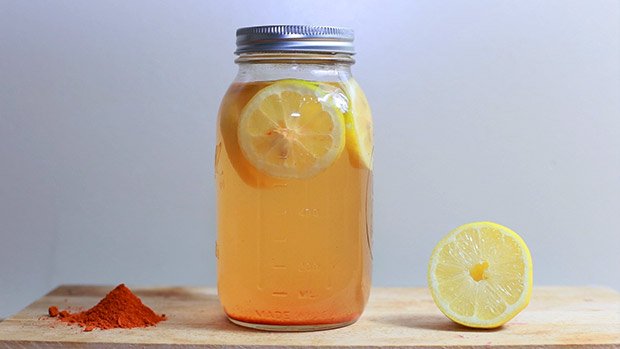
 There are articles a human just shouldn’t have to write. For instance, no one should have to write articles explaining why children shouldn’t eat Tide Pods. Neither should anyone have to write about why taking an ocean swim while wearing an 84-pound weight vest isn’t a good idea. Not using a thermometer orally once it’s been used rectally? Also shouldn’t need an article. And I certainly shouldn’t have to write an article about how damn stupid “detoxes” are for either weight loss or, groan, detoxifying your liver. Yet here we are. There isn’t a week that goes by where I don’t overhear two or more morons talking about their latest detox product or regimen, and I’m not just talking about Oprah and Gwyneth. Anyhow, maybe you and I can do our part to end this madness. Share this article on social media. Print it out and staple it to the forehead of detoxifiers. Do whatever you have to do to help stop this idiocy. Through the Mouth or Up the Butt? The people who drink or, alternately, force-feed their rectums strange teas, dubious supplements, or weird herbal concoctions are worried about the environmental toxins we’re all being exposed to on a daily basis. I get it. That makes sense. But it might make me feel better about the efficacy of these detoxifying substances if they could at least name a few of the toxins their products are supposed to target. Back in 2009, some researchers interviewed ten companies that manufactured detox products and they couldn’t name a single toxin. They kind of remind me of old-time actor Marlon Brando in the movie, “The Wild One,” only without the cool: Mildred: “Hey Johnny, what are you rebelling against? Johnny (Marlon Brando): “What’ve you got?” The foolishness of the detox people is in the notion that we need juices or enemas or long periods of fasting to do what the body is largely capable of doing itself. These people don’t think our livers, kidneys, or lungs are up to the task. But I’ll give them this: It’s probably true that our bodies have never before had to contend with anything like the modern-day chemical onslaught, but drinking teas or lemon juice laced with condiments isn’t going to help. Bioaccumulation is a Real Thing Some people really do need an actual detox, but these are people who have swallowed or injected too much alcohol, benzodiazepines, opioids, cocaine, methamphetamines, ketamine, heroin, or fentanyl, or maybe those who use the ol’ swimming’ hole next to the factory that bleeds lead, mercury, hexavalent chromium, or arsenic. Exposure to too much or too many of the preceding needs medical intervention (activated charcoal in the case of drug overdoses and chelation in the case of heavy metal poisoning), not dandelion tea. We are, however, in danger of “bioaccumulation” from a class of chemicals known as persistent organic pollutants, or POPs. Examples of these POPs include dioxins, PCBs, chlordane, heptachlor, and a whole bunch of high-value Scrabble words. These POPs accumulate over time and are stored in body fat. Perversely, they might not even pose that much of a problem until you start to diet, when a surplus of the chemicals are suddenly released willy-nilly into the bloodstream, which can offset a lot of the benefits of fat loss and make you feel like one of those poor comrades that were forced to clean up Chernobyl after it blew. But there are ways to limit your exposure to these things. How to Do a Legitimate “Detox” As mentioned, the body generally does an excellent job of mopping up unwanted substances. The liver processes a bunch of it, ultimately excreting it through urine via the kidneys or feces via bile from the gallbladder. Other substances leave the body through the air we exhale or possibly even through sweat, although that’s still controversial. Regardless, the body wouldn’t mind a legitimate helping hand. Here are some “detox” methods that actually work: Eat organic produce when possible to avoid the POPs that invariably reside in their skin or outer surfaces. If you can’t afford or find organic fruits and vegetables, consider peeling the skin away. Of course, peeling removes a lot of the healthful nutrients and polyphenols, so you could, alternately, wash them. The trouble is, washing isn’t as easy as just sudsing them up with dish soap. If you really want to do it the right way – the laboratory-tested way – soak them in a baking soda solution. Mix about two tablespoons of baking soda (you can get a 3 pound bag for about 8 bucks) into a gallon of water. Then soak your fruits or vegetables for 8 to 12 minutes (12 minutes was the most effective duration tested by scientists) or until your patience runs out. Buy frozen or canned fruits and vegetables. The washing and blanching that manufacturers do to prepare fruits and vegetables supposedly removes 80 to 90% of the pesticides. Eat lots of fiber. It “captures” a lot of the POPs while they’re still in the digestive tract. Eat cruciferous vegetables (broccoli, cauliflower,
Origin: D is for Detox (and the Dummies Who Do It)
D is for Detox (and the Dummies Who Do It)

Published
 All about sport xlsport.club