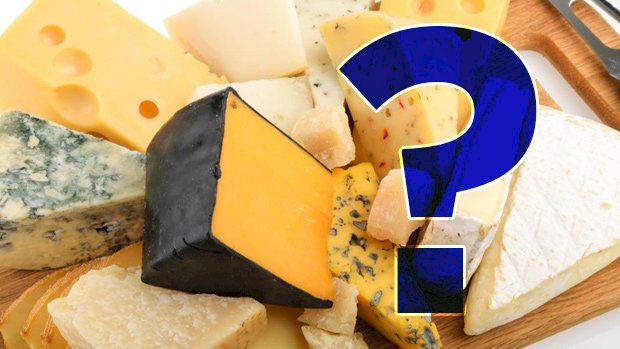
 There aren’t many foods more closely associated with the unhealthy eating habits of Americans as cheese. You can bet that if slobby guys had their own clan, their sigil would be a gooey double cheeseburger in front of two crossed swords that look a lot like French fries. Its rep as being high fat and high sodium is so entrenched that it’s one of the first foods people abandon when they start trying to eat better or lean up. They’re making a mistake, though. Cheese is not what they think it is. It’s innocent. It didn’t kill Colonel Mustard in the kitchen with either a candlestick or hardened arteries. It turns out cheese REDUCES the risk of hypertension, cardiovascular disease in general, cancer, and diabetes, in addition to stimulating the beneficial bacteria in your gut to go above and beyond the call of gastrointestinal duty. Cheese in fact has so many potential health benefits that nearly everyone, except for some people with lactose intolerance or irritable bowel syndrome, should be eating some cheese every day – even abs-conscious dieters. Lots of Research, Same Conclusions In 2015, a study showed that a diet high in cheese, when matched against limited dairy consumption, significantly reduced the production of TMAO (trimethylamine N-oxide), which has been associated with increased risk of cardiovascular disease and even cancer (Zheng, et al). That same study also showed that diets high in cheese increased the production of butyrate, hippurate, and malonate, beneficial short chain fatty acids that are byproducts of microbial action and play a benevolent role in gut-related diseases ranging from autoimmunity, cancer, and even obesity. Other studies in both rats and humans have shown that cheese consumption, contrary to accepted beliefs, actually lowers cholesterol. And the research beat goes on. In 2000, Saito and his colleagues found cheese to contain peptides that lower blood pressure, which was kind of surprising, given that cheese, with its high sodium content, has long been thought to jack blood pressure to the stratosphere. One study concluded that cheese consumption is associated with a 19% reduced risk of metabolic syndrome, while another reports that every 60-gram daily serving of gouda cheese lowers the risk of breast cancer of 25 to 64-year old women by 35%. Collectively, this research has caused some scientists to speculate that cheese may be the explanation behind the French Paradox, which is a term that describes the observation that French people, despite using foie gras like American kids use Nutella and having a high-saturated fat diet in general, have a low incidence of cardiovascular disease. Given that the French eat the most cheese of any country in the world, it seems plausible that cheese may explain a big part of their dietary paradox, but even if you discount the French frommage eaters, the bulk of the evidence comes out strongly in favor of cheese. How Come Cheese Doesn’t Make My Arteries Sludge Up? Other high saturated-fat foods – even other dairy foods, like butter – have been implicated to varying degrees in cardiovascular disease, but the fat in cheese is clearly different for at least three reasons: The types of fats found in cheese aren’t like those found in, say, red meat. As an example, cheese contains high amounts of conjugated linoleic acid (CLA), which has been found in numerous studies to work against cancer and even obesity. (To be fair, red meat also can contain a decent amount of CLA, as long as it comes from grass-raised and grass-finished cattle.) The fat in dairy foods is in globular form and is emulsified, which is significantly different from the fat in other foods. Cheese is a fermented product and, depending on the variety, either feeds bacteria in the gut (making it a prebiotic) or actually contains bacteria that seed the gut (making it a probiotic). Maybe one of those characteristics, or all of them working together collectively, makes cheese friendlier to your heart than other high sat-fat foods. Don’t Forget Cheese’s Other Health Benefits Aside from preventing certain diseases, or at least not contributing to certain diseases like we thought it did, cheese has other nutritional super powers: While high in fat, cheese is equally high in protein. It’s very low in carbs (it’s keto approved, and some paleo advocates are fine with it). Each serving (about one ounce) contains about 20% (200 mg.) of your daily calcium requirement. Cheese is one of the few dietary sources of vitamin D. It contains B12, which is also a sometimes hard-to-get vitamin. As mentioned, depending on the variety, cheese is either full of good bacteria, or it nurtures the bacteria in your gut. There’s something else, too. Back in 2008, a professor of genetics and metabolism by the name of Gokhan Hotamisligil was looking for the presence of unique fatty acids in different foods. That’s when he found something called palmitoleate. While small amounts of the fatty acid are
Origin: The Truth About Cheese
The Truth About Cheese

Published
 All about sport xlsport.club