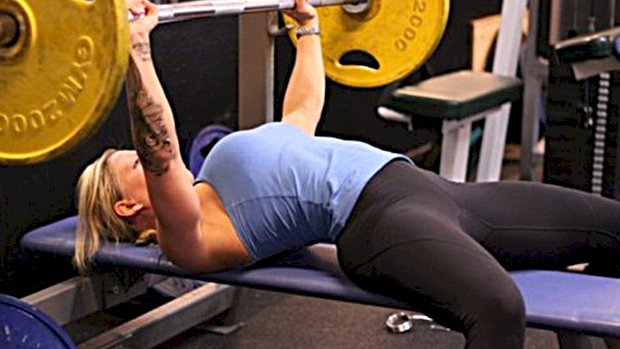
 Here’s what you need to know… The menstrual cycle has a huge influence on a female’s metabolic state and training results. The follicular phase is when women should focus on progress. It’s characterized by a higher tolerance for pain and increasing levels of endurance. Insulin sensitivity is higher during the follicular phase. Her body will be more prone to using carbs to fuel muscle gains. During ovulation, high estrogen levels can make women more prone to injury. During the luteal phase, the female body will rely more on fat as a fuel source. Your Hormones Control You You work hard each and every time you hit the gym. You give 100% effort and make sure that you eat right. You think you’re doing everything right, but could there be something you aren’t even aware of diminishing your results? Each and every day, your hormones control you. You’re well aware that testosterone, the male predominant sex hormone, is responsible for making men more muscular, strong, and aggressive. But what about your hormones? As a woman, each month your body goes through a series of events known as the female menstrual cycle. What most women don’t realize, however, is the influence this cycle can have on your metabolic state and training results. Let’s look more closely at this issue and explain what’s going on. The good news is once you understand the ramifications of these hormones, you can cater your program to overcome them and even take advantage of them to further your training results. Your Cycle: A Refresher First, keep in mind we’re talking about premenopausal women who aren’t using oral birth control. Now, the start of your cycle begins immediately after you finish menstruating with the follicular phase, lasting from day zero to 14. This phase is characterized by increasing estrogen, normal progesterone, and an average body temperature. From there, you move into ovulation, which takes place around day 14. When this occurs, your estrogen level peaks and progesterone starts to increase. You’ll also notice you start to feel warmer. From day 15 to 28 of your cycle, you’ll enter the luteal phase where estrogen is declining, progesterone is increasing, and your body temperature remains higher than baseline. Menstruation then follows to start things off all over again. Now let’s talk about what you go through during each phase. The Follicular Phase: Eat Carbs and Train Harder When it comes to your workout sessions, the follicular phase – including the ovulation period – is when you should focus on progress. This phase is characterized by a higher tolerance for pain, the highest maximum voluntary force generation capacity, as well as increasing levels of endurance. Your body will also be more prone to utilizing muscle glycogen to fuel exercise during this stage, making high-carb workout nutrition critical. To add to this, your insulin sensitivity levels will be higher during this phase, so focus on higher carb phases or refeeds during intense, carb-depleting workouts. Your body will be more prone to using those carbs to fuel muscle gains. These intense workouts, coupled with metabolism-enhancing refeeds, will also help to counteract the decline in your resting metabolic rate that takes place during this time. One study published in the American Journal of Clinical Nutrition noted that basal metabolic rate decreased during menstruation and then proceeded to decline to its lowest point one week before ovulation took place. The Ovulation Phase: Go for a PR! During ovulation, your strength levels will still be high and you may notice the highest sheer force generation capacity during this phase. If you want to set a PR, now is the time to try. One study published in the Journal of Physiology noted that ovulating women showed an 11% increase in both quadriceps as well as handgrip strength. Take note, though, that you may also be at a higher risk of injury. As estrogen skyrockets to its highest point during this phase, it can impact collagen metabolism and also influence your neuromuscular control. It was noted in the American Journal of Sports Medicine that anterior cruciate ligament injury rates are four to eight times higher during this point in the cycle than in all other phases. So train hard at this time, but be especially careful about using good form and being mindful of fatigue build-up. Your metabolism will also be starting to climb at this point, so if you’re feeling a little extra hungry, understand that this may very well be why. Consider adding a few more calories to your diet to fuel this increase, but get those calories from a balanced mix of proteins, carbs, and fats as your insulin sensitivity is starting to decline. The Luteal Phase: Back Off on Lifting Intensity and Lose Fat Ever have workouts where it seems your body is just fighting you every step of the way? If so, chances are good it’s happening during your luteal phase. During the luteal phase, with your body temperature higher than
Origin: The Hormone Cycle and Female Lifters
The Hormone Cycle and Female Lifters

Published
 All about sport xlsport.club